


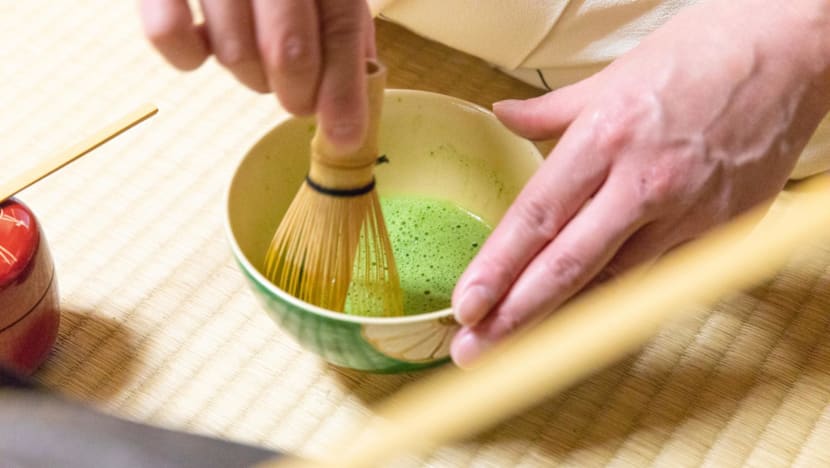
The great matcha rivalry: Can Japan’s centuries-old tradition hold its own against China’s scale?
Summarized and contextualized by DistantNews.
At a glance
News
Sources not specified
Context piece
- Japan's premium matcha producers, like those in Uji, face a supply shortage due to surging global demand and a slow, meticulous production process.
- While Japanese matcha exports hit record highs, Chinese growers in regions like Guizhou are rapidly increasing production, leveraging favorable climates and government support.
- The rivalry highlights a tension between Japan's traditional, high-cost methods and China's large-scale, potentially lower-cost approach to meeting global matcha demand.
In the historic tea city of Uji, Japan, customers queue before dawn at shops like Horii Shichimeien, eager for prized matcha that now costs up to five times more than five years ago. President Chotaro Horii acknowledges the "matcha boom overseas" rescued Japanese tea from a downward trend, but now faces a new challenge: demand is outstripping supply.
Producing premium matcha is a painstaking, time-intensive ritual. Tea leaves are shade-grown for weeks, and only the first spring harvest is used. The leaves are steamed, dried, and then ground into a fine powder using traditional stone mills, with each mill producing a mere 40 grams per hour. Horii Shichimeien utilizes about 80 mills, shared among seven growers to manage costs, and emphasizes the need for mills to rest to maintain quality.
Despite these constraints, Japan's green tea exports, including matcha, have reached record highs for six consecutive years, exceeding 12,600 tonnes in 2025. Production of tencha, the leaf used for matcha, has also tripled over the past decade. However, Japan is not alone in this burgeoning market.
Meanwhile, in Tongren, China's Guizhou province, local authorities are encouraging farmers to revive tea fields. The region's cool climate and abundant rainfall are ideal for tea cultivation, and global demand for matcha has transformed previously low-income land into a growing part of the global supply chain. This surge in Chinese production presents a significant counterpoint to Japan's traditional, high-cost methods, setting the stage for a growing rivalry in the global matcha market.
Japanese tea was on a downward trend, but the matcha boom overseas rescued us.
DistantNews Editorial
Originally published by CNA. Summarized and contextualized by our editorial team with added local perspective. Read our editorial standards.
More Stories


From Our Blog

What Gets Lost (and Found) When News Is Translated

The Critical Role of Diaspora Media in Global News

What Travellers Should Know About Countries with Restricted Press

A Digital Nomad's Guide to Following Local News

How the Same Story Looks Different in Different Countries
