



THE HEAT IS ON! - Scorching conditions take toll on St Elizabeth farmers
Summarized and contextualized by DistantNews.
At a glance
News
Sources not specified
Ongoing story
- St. Elizabeth farmers in Jamaica are struggling with scorching heat and drought conditions, leading to crop loss.
- A recently built $8.9 million water facility in Top Hill remains defunct, frustrating farmers who need irrigation.
- Farmers are forced to work in extreme heat for short periods and face high costs for water, with some contemplating abandoning farming.
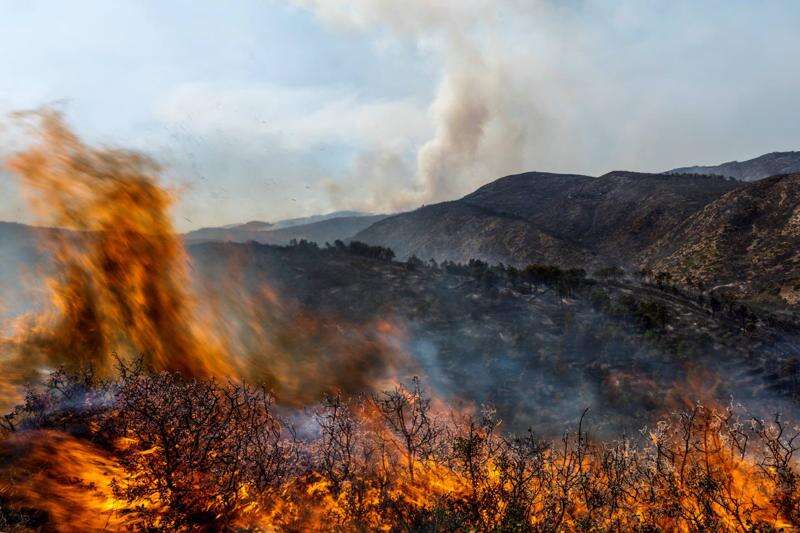
Farmers in St. Elizabeth, Jamaica, are facing immense hardship due to unprecedented heat and drought conditions, threatening their livelihoods. Danny Jones, a 56-year-old farmer, described the current summer as the worst he has experienced, with crops like cucumbers drying up in the fields under relentless sun.
The situation is exacerbated by the failure of local infrastructure. The Top Hill Water Shop, a $8.9 million facility opened in October 2019 as part of drought-mitigation measures, has been non-operational since its initial use. Jones expressed anger over the mismanagement, stating, "You understand? They need to give wi irrigation water and come off of this stupidness. … You know how much $9 million could have done?" Calls to local officials regarding the facility's status went unanswered.
They need to give wi irrigation water and come off of this stupidness. … You know how much $9 million could have done?
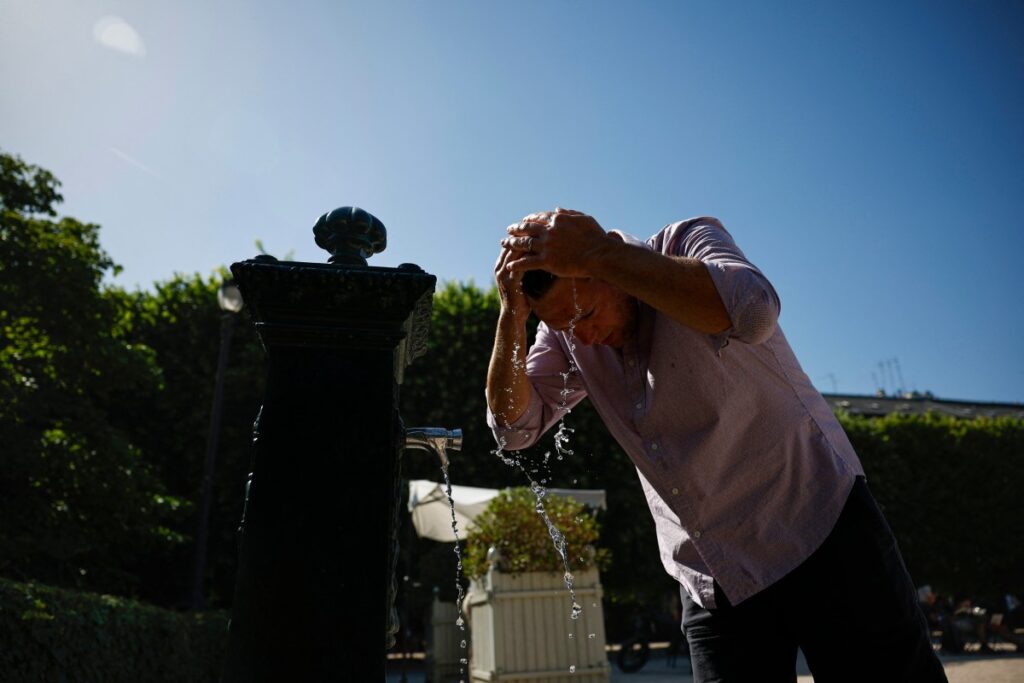
Extreme temperatures force farmers like Jones to begin work before dawn and cease by mid-morning. The heat and humidity make working outdoors unbearable for extended periods. Jones typically works only three hours, starting around 5:15 a.m., before retreating from the sun.
Terrible man, terrible. Not even walk you cyah walk inna dem heat here, much less to work. Mi turn on light and come here a morning time and wait till day light out. So by the time mi drive out, mi turn on my light and mi just sit down and wait till mi see day light out
The lack of accessible water means farmers must purchase expensive truckloads, costing $22,000 for 4,000 gallons. This expense is unsustainable, especially as crops require more water during the heat. Jones lamented, "The water very expensive and hard to get. And the heat a burn off the truss them, it a burn off the fruit … . It just rough, it just rough."
Compounding the problem, a recent thermal breeze combined with Saharan dust intensified the heat, further damaging crops. Despite the overwhelming challenges, Jones continues farming because it's all he knows. However, the severe conditions are pushing many farmers to their breaking point, with some considering abandoning the profession.
It very rough, man. Wi need to use extra water and the water very expensive. But we have to use the same amount a water as inna the cooler time, for we cannot afford to buy the [extra] water for use now inna the heat. The water very expensive and hard to get. And the heat a burn off the truss them, it a burn off the fruit … . It just rough, it just rough. It rough, rough, rough, rough, rough.
DistantNews Editorial
Originally published by Jamaica Gleaner. Summarized and contextualized by our editorial team with added local perspective. Read our editorial standards.
More Stories

From Our Blog

What Gets Lost (and Found) When News Is Translated

The Critical Role of Diaspora Media in Global News

What Travellers Should Know About Countries with Restricted Press

A Digital Nomad's Guide to Following Local News

How the Same Story Looks Different in Different Countries
