


The hidden dangers faced by Vietnam's forest rangers
Translated from Vietnamese, summarized and contextualized by DistantNews.
At a glance
In-depth
Sources not specified
Context piece
- Forest rangers in Vietnam's Chư Yang Sin National Park face daily dangers, including leeches, insect bites, and encounters with wildlife, to protect the forest.
- Patrols can last five to six days with limited supplies, and rangers often sleep in makeshift shelters that can be flooded or destroyed.
- Rangers have also confronted illegal loggers and poachers, with one ranger recalling a close call with a herd of wild boars and hearing gunshots during an operation.
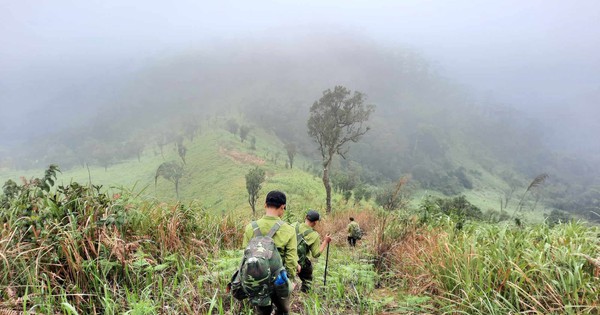
Deep within the dense forests of Chư Yang Sin National Park in Vietnam's Đắk Lắk province, a dedicated team of forest rangers works tirelessly, often unseen, to safeguard the vast wilderness. Their daily patrols are fraught with peril, a reality that underscores the immense challenges they face in preserving this vital ecosystem.
Going into the forest requires not just using your eyes, but all your senses.
For rangers like Đinh Văn Thông, a forest resource management officer at Ranger Station No. 5, the job demands constant vigilance. "Going into the forest requires not just using your eyes, but all your senses," he explained. His 14 years on the job have made him intimately familiar with every trail and stream. Patrols can extend for five to six days, cutting off contact with the outside world. Their sustenance often consists of simple fare like rice balls with sesame salt, and dried fish, prioritizing lightweight, long-lasting provisions.
Going into the forest for long periods is like going into battle.
The physical toll is significant. Rangers endure months of itchy insect bites during the dry season and are swarmed by leeches in the rainy months. Some describe prolonged patrols as akin to "going into battle." They often set up temporary shelters in the forest, only to have them threatened by rising water levels or forced to relocate multiple times in a single night. The constant threat of encountering illegal loggers and poachers adds another layer of danger, with rangers recalling instances of gunfire echoing through the trees.
We could only stand still, not daring to breathe.
Beyond human threats, the wildlife they protect can also pose a risk. Ranger Thông recounted a harrowing encounter last November when he and his colleagues stumbled upon a herd of aggressive wild boars. "We could only stand still, not daring to breathe," he recalled. The boars, rooting for food, came dangerously close to their hiding spot. Fortunately, the animals eventually moved on. "Thinking back now, it's kind of funny. It's thanks to us keeping the forest healthy that there are still strong animals like that here," he added with a chuckle, though the memory of the dangerous moment remained vivid.
It's thanks to us keeping the forest healthy that there are still strong animals like that here.
DistantNews Editorial
Originally published by Thanh Niên in Vietnamese. Translated, summarized, and contextualized by our editorial team with added local perspective. Read our editorial standards.
More Stories



From Our Blog

What Gets Lost (and Found) When News Is Translated

The Critical Role of Diaspora Media in Global News

What Travellers Should Know About Countries with Restricted Press

A Digital Nomad's Guide to Following Local News

How the Same Story Looks Different in Different Countries
