


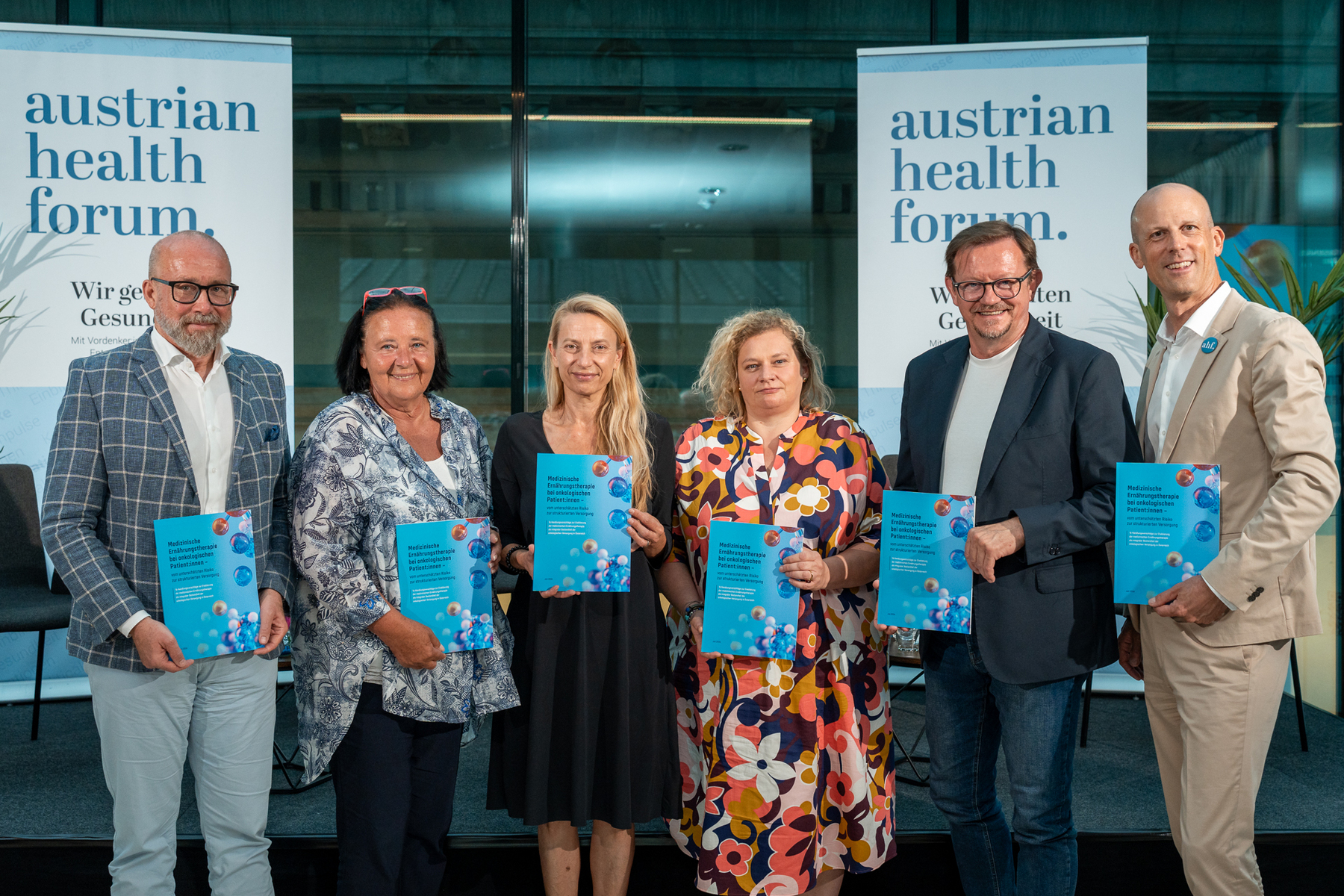
The Importance of Nutrition in Oncology
Translated from German, summarized and contextualized by DistantNews.
At a glance
News
Named sources
Context piece
- Malnutrition is a common and underestimated side effect of cancer, significantly impacting patient quality of life.
- Experts emphasize that medical nutritional therapy should be an integral part of cancer treatment.
- Systematic screening and interdisciplinary collaboration are crucial for effective management of malnutrition in oncology.
Malnutrition is a significant and often overlooked consequence of cancer, profoundly affecting patients' quality of life and treatment outcomes. Experts stress that nutrition is not merely a lifestyle choice but a critical medical parameter in oncology.
Hannes Kaufmann, head of the 3rd Medical Department at Klinik Favoriten Wien and Klinik Landstraße Wien, highlights the severe impact of malnutrition. "Malnutrition frequently leads to the inability to administer the intended therapy," he stated. "The consequence: quality of life decreases, morbidity and mortality increase. This is substantiated by international studies."
Malnutrition frequently leads to the inability to administer the intended therapy. The consequence: quality of life decreases, morbidity and mortality increase. This is substantiated by international studies.
To combat complications, reduce treatment interruptions, and preserve quality of life, medical nutritional therapy should be a core component of modern, multimodal cancer care. International guidelines recommend systematically assessing nutritional risks from the point of diagnosis and conducting structured evaluations for patients showing signs of risk.
Screening, early intervention, and interprofessional implementation must become standard practice, not just an option. When a significant portion of patients already enters the system with a risk of malnutrition, the tumor disease and therapies exacerbate the danger of weight loss, muscle wasting, and functional decline, with potential consequences for tolerance, dosage intensity, and rehabilitation capacity.
"Screening, early intervention, and interprofessional implementation must become standard practice, not just an option," explained Kaufmann. "When a significant portion of patients already enters the system with a risk of malnutrition, the tumor disease and therapies exacerbate the danger of weight loss, muscle wasting, and functional decline, with potential consequences for tolerance, dosage intensity, and rehabilitation capacity."
Addressing malnutrition requires a systemic approach and structured collaboration among various professional groups, including physicians, dietitians, and nursing staff. "Medical nutritional therapy is interdisciplinary and interprofessional. The entire treatment team is challenged," said Elisabeth Bräutigam, head of the Lower Austrian Health Agency. She emphasized that the importance of nutrition should be discussed during initial patient consultations and integrated into treatment and aftercare plans.
Medical nutritional therapy is interdisciplinary and interprofessional. The entire treatment team is challenged.
DistantNews Editorial
Originally published by Die Presse in German. Translated, summarized, and contextualized by our editorial team with added local perspective. Read our editorial standards.
More Stories



From Our Blog

What Gets Lost (and Found) When News Is Translated

The Critical Role of Diaspora Media in Global News

What Travellers Should Know About Countries with Restricted Press

A Digital Nomad's Guide to Following Local News

How the Same Story Looks Different in Different Countries
