


‘The Korean team leader cared deeply for him’: Families plead for news of missing Nepali workers
Translated from Korean and summarized by DistantNews. Read the original for the full story.
At a glance
In-depth
Named sources
Ongoing story
- Families have been unable to contact Nepali workers Milan Karel and Bikram Sapkota since devastating floods struck the Upper Trishuli-1 hydropower project.
- Relatives traveled across Nepal, posted photographs and appealed to authorities and companies for access and search operations.
- One survivor said Karel shouted for people to evacuate, while families asked the government and company to keep searching and share information.
“The Korean team leader cared deeply for him. He reportedly said he would invite him to Korea someday.” Milan Karel’s family held on to that memory as they waited for news of the 32-year-old Nepali worker, missing since floods swept through the Upper Trishuli-1 hydropower construction site.
The Korean team leader cared deeply for him. He reportedly said he would invite him to Korea someday.
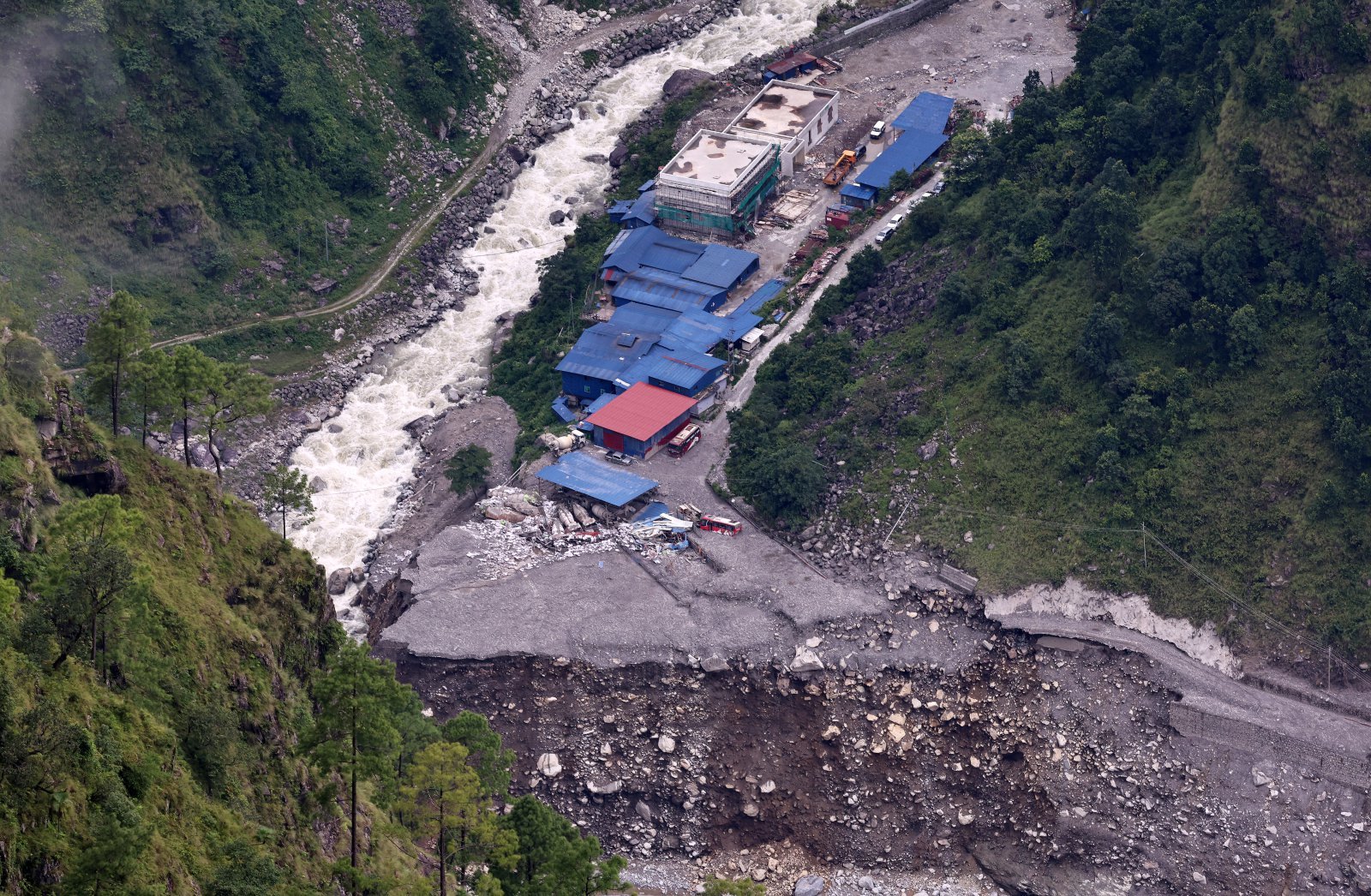
Karel and Bikram Sapkota, 35, had worked alongside South Koreans for more than four years. The project, being built by Doosan Enerbility and Korea South-East Power, became one of the worst-hit sites in the floods that struck Nepal on Aug. 26. Nine South Korean workers assigned there also remain out of contact. The Nepal Independent Power Producers’ Association estimates that 576 people are missing from the plant alone.
Eleven relatives of Karel and Sapkota met in Kathmandu after asking to share their stories. They said the families had traveled around Nepal looking for the two men. Karel’s relatives described him as a strong student who graduated from engineering school with high marks and helped pay for his sisters’ weddings and his parents’ medical bills. Sapkota’s family said he was devoted to his wife and four-year-old daughter.
He was a younger brother who studied well from an early age, graduated from engineering school with excellent grades, and paid for his older sisters’ weddings and his parents’ hospital bills.
Since the floods, relatives said they received no contact or guidance from the company. They traveled between a military base in Trishuli, where rescue helicopters operate, and Kathmandu’s Tribhuvan University Teaching Hospital, putting up posters with the men’s photographs. They also visited Chitwan, where bodies were being recovered from the Trishuli River, before returning to Kathmandu, a journey of 170 kilometers.
He only knew his wife and daughter. He was devoted to his family.
A survivor told Karel’s family that he shouted for people to evacuate soon after the floods began, helping colleagues survive. Sapkota had spoken with his wife by phone at 6 a.m. that morning. The families said they hoped everyone missing in the disaster, including the South Koreans, would be safe. Doosan Enerbility said it created a group chat involving about 200 family members to share updates and was conducting helicopter searches for both Nepali and South Korean workers. Karel’s sister Priti said the families could do little more than wait for the Nepalese government or company to find them.
It feels like there is nothing more we can do. We have no choice but to wait for the Nepalese government or the company to find them.
About this summary
Originally published by Hankyoreh in Korean. Translated, summarized, and contextualized automatically by DistantNews, with a note on how the source frames the story. Not individually reviewed before publishing. How this works.
More Stories

From Our Blog

What Gets Lost (and Found) When News Is Translated

The Critical Role of Diaspora Media in Global News

What Travellers Should Know About Countries with Restricted Press

A Digital Nomad's Guide to Following Local News

How the Same Story Looks Different in Different Countries
