


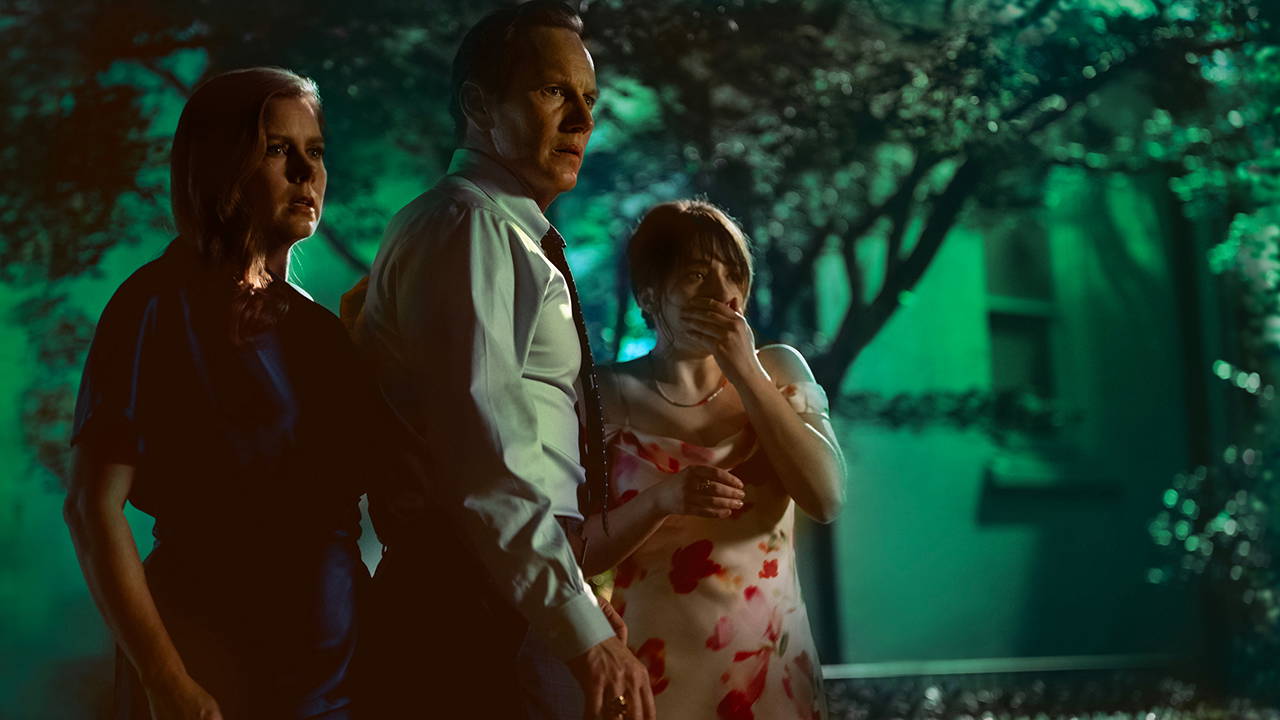
The Modern Face of Evil: A Contemporary Interpretation of 'Cape Fear'
Translated from Turkish, summarized and contextualized by DistantNews.
At a glance
Analysis
Sources not specified
Context piece
- The Apple TV+ adaptation of "Cape Fear" continues the legacy of its film predecessors, incorporating modern elements and stylistic choices.
- The series expands on the original novel and films by introducing new characters and contemporary themes like social media and AI.
- Javier Bardem stars as the new Max Cady, offering a "charismatic villain" interpretation that differs from Robert Mitchum and Robert De Niro's portrayals.
The new Apple TV+ adaptation of "Cape Fear" immediately signals its stylistic allegiance to its cinematic forebears, opening with a close-up of unsettling eyes and the familiar strains of Bernard Herrmann's score. This third adaptation of John D. MacDonald's 1957 novel, "The Executioners," expands the narrative into a series, weaving in modern themes and characters while respecting the visual and thematic traditions established by the 1962 and 1991 film versions.
The story of Max Cady, an ex-convict seeking revenge on the lawyer he blames for his imprisonment, was memorably brought to life by Robert Mitchum's chilling portrayal and Robert De Niro's fanatical performance in the previous films. The series' creator, Nick Antosca, honors this legacy not only through formal choices like close-up shots and camera movements but also by casting Juliette Lewis, who played the Bowden daughter in Scorsese's film, in a new role. This intergenerational connection extends to Javier Bardem's interpretation of Max Cady, who incorporates visual cues from Mitchum's hat and attire to De Niro's "justice and truth" tattoos.
Bardem's Cady is framed as a "charismatic villain," a departure from the more overtly menacing figures of the past. The series also shifts the narrative focus, presenting Cady's past actions with a degree of justification while casting the Bowden family in a more morally ambiguous light. This contemporary retelling integrates elements like social media and artificial intelligence as potential tools for revenge, aligning with modern storytelling conventions.
Furthermore, the series reassigns the protagonist role to a woman, Anna Bowden, who is now portrayed as the primary architect of Max Cady's downfall, splitting the dual role of the original novel's main character. This restructuring, coupled with a reinterpretation of Cady's crime, contributes to Bardem's "attractive villain" performance and offers a fresh perspective on the classic tale of obsession and retribution.
DistantNews Editorial
Originally published by Cumhuriyet in Turkish. Translated, summarized, and contextualized by our editorial team with added local perspective. Read our editorial standards.
More Stories


From Our Blog

What Gets Lost (and Found) When News Is Translated

The Critical Role of Diaspora Media in Global News

What Travellers Should Know About Countries with Restricted Press

A Digital Nomad's Guide to Following Local News

How the Same Story Looks Different in Different Countries
