


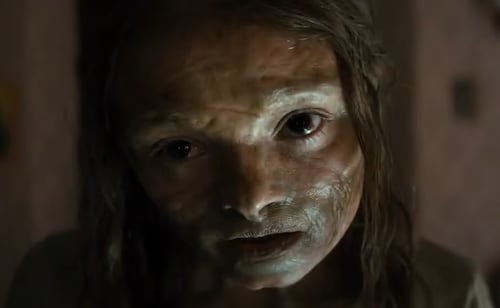
'The Mummy' Poster Banned in London Metro for Disturbing Users
Translated from Spanish, summarized and contextualized by DistantNews.
At a glance
News
Named sources
Outcome reported
- Advertising Standards Authority (ASA) banned a poster for the film 'The Mummy' in London's public spaces due to its disturbing image of a mummified child.
- The ASA received 30 complaints, with users finding the advertisement unsettling for both children and adults.
- Warner Bros. defended the campaign, stating it depicted a "living mummy" and avoided violent scenes, but the ASA ruled it inappropriate for public display, especially near children.
London's public spaces will no longer feature advertising posters for the new film 'The Mummy' after the UK's Advertising Standards Authority (ASA) banned them. The decision came after dozens of commuters complained that the promotional images were deeply disturbing, particularly due to their realistic depiction of a deceased-looking child.
The ASA received 30 complaints of people who considered that the advertising was disturbing for both children and adults.
The controversial poster featured an image of what appeared to be a mummified girl with a gaunt face, one eye open, the other swollen, and wrapped as if lifeless. The ASA received 30 complaints from individuals who found the advertisement unsettling for both children and adults. Although the posters were not placed within 100 meters of schools, one was visible from a nursery, leading the ASA to conclude that the image could cause distress to minors and was unsuitable for public viewing.
the posters infringed their code by showing an image with a realistic appearance of a deceased girl, so they prohibited their exhibition in outdoor spaces.
Warner Bros. defended its advertising campaign, asserting that it was created with "due responsibility towards consumers and society" and was not intended to offend or frighten the public. The studio explained that the character was a "living mummy" returned to her parents years after being kidnapped as a child. They also highlighted that the design deliberately omitted violent scenes, threats, or intimidation to minimize any potential negative impact.
the campaign was developed with "due responsibility towards consumers and society" and that it did not have the purpose of offending the public or provoking fear.
Despite the studio's defense, the ASA's ruling prohibits the posters from being displayed in outdoor public spaces. However, the ban does not extend to advertisements broadcast on television or streaming platforms. The film, directed by Lee Cronin and described as a blend of 'Poltergeist' and 'Se7en', was released on April 16.
the character depicted in the poster was a "living mummy", who had been returned to her parents years after being kidnapped as a child.
DistantNews Editorial
Originally published by El Universal in Spanish. Translated, summarized, and contextualized by our editorial team with added local perspective. Read our editorial standards.
More Stories


From Our Blog

What Press Freedom Means for the News You Read

What Gets Lost (and Found) When News Is Translated

The Critical Role of Diaspora Media in Global News

What Travellers Should Know About Countries with Restricted Press

A Digital Nomad's Guide to Following Local News
