


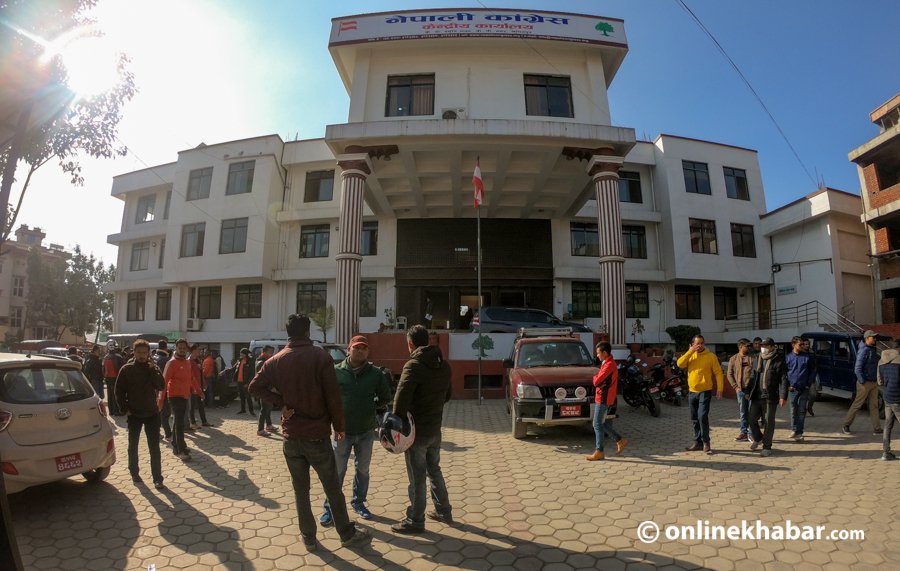
The Nepali Congress needs a more capable state, not a new ideology
Translated from English, summarized and contextualized by DistantNews.
At a glance
Analysis
Sources not specified
Context piece
- The Nepali Congress is debating whether to maintain its 1955 democratic socialism platform or shift to social democracy.
- The choice hinges on whether policy commitments are unified by a state responsibility for equalization or pursued as separate goals.
- Nepal's democracy has expanded since 1990, but the state's capacity to act has lagged, with political inclusion advancing faster than socioeconomic equalization.
The Nepali Congress faces a pivotal decision regarding its ideological foundation: whether to adhere to the democratic socialism platform adopted in 1955 or transition to social democracy. This choice transcends specific policy details, focusing instead on the underlying framework that binds these commitments.
The core of the debate lies in whether policy goals are viewed as expressions of a state-driven mandate for equalization or as discrete objectives pursued independently. The party's record since 1990, marked by democratic expansion but lagging state capacity, provides a crucial backdrop for this deliberation.
While fiscal capacity has grown and migration has yielded welfare gains, Nepal has not seen a corresponding productive transformation. Political inclusion has advanced more rapidly than socioeconomic equalization. This suggests a need to retain the principle of equalization, central to democratic socialism, while updating the methods of its pursuit.
Nepal's current constitution, with its commitment to socialism based on democratic norms and values, already offers a framework for this update. It encompasses a multiparty democracy, civil liberties, human rights, and an independent judiciary. This constitutional order reflects the party's original ideals within a modern, rights-based, and federal structure, suggesting continuity rather than a radical departure.
DistantNews Editorial
Originally published by OnlineKhabar English in English. Translated, summarized, and contextualized by our editorial team with added local perspective. Read our editorial standards.
More Stories


From Our Blog

What Gets Lost (and Found) When News Is Translated

The Critical Role of Diaspora Media in Global News

What Travellers Should Know About Countries with Restricted Press

A Digital Nomad's Guide to Following Local News

How the Same Story Looks Different in Different Countries
