

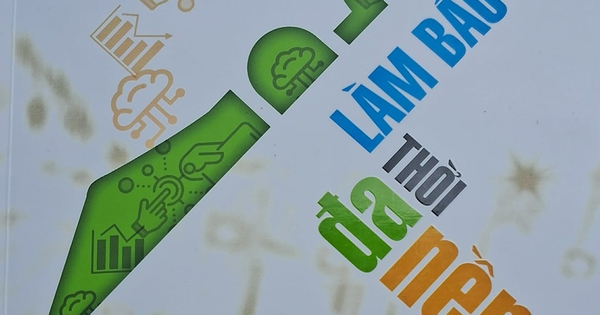

The People: The Author's Greatest Teacher
Translated from Vietnamese, summarized and contextualized by DistantNews.
At a glance
In-depth
Sources not specified
Context piece
- The author identifies the people as their greatest teacher, especially during wartime.
- Early journalistic work focused on political officer recruitment and the experiences of soldiers in the Saigon army.
- Field experience in the Mekong Delta provided deep insights into the lives and customs of Southern Vietnamese peasants, enriching both journalism and poetry.
For the author, the populace serves as the ultimate teacher, a source of profound lessons particularly illuminated during wartime. Whether crafting poetry or penning news reports, the author consistently returns to the people as the primary wellspring of inspiration and knowledge.
In their youth, upon entering the battlefield of South Vietnam, the author adopted the mindset and work ethic of a journalist. While poetry was a private pursuit, largely unknown, their journalistic endeavors were recognized. Initially, the author specialized in writing about political officer recruitment for radio stations like Liberation Radio and Voice of Vietnam. A notable early piece detailed the tragic fate of a junior officer in the Saigon army, a report that received immediate praise and broadcast.
Tôi nghe mê mải những câu chuyện hết sức thú vị của bác, và sau này, những câu chuyện ấy đều vào những trường ca của tôi. Nhưng trước hết là vào những bài báo của tôi, giúp tất cả đậm màu sắc Nam bộ.
However, the author's desire was to move beyond the relative safety of the rear areas and engage directly with the front lines. This led to a request to be stationed in the Mekong Delta. After a arduous four-month trek through the Trường Sơn Mountains, the author spent a month and a half navigating waterways and swamps, a journey described as arduous yet joyful.
Stationed in Cai Lậy, the author joined a working group that closely followed battlefield developments and, crucially, engaged with the local population in the surrounding areas and within "concentration zones." These interactions often occurred at night, involving house-to-house visits to connect with residents. These experiences provided a rich tapestry of stories, detailing the lives, agricultural practices, and culinary traditions of the Southern Vietnamese peasants, which subsequently informed both the author's journalistic pieces and their poetry, imbuing them with a distinct Southern flavor.
Viết báo, với tôi không chỉ là viết về những sự kiện, mà chủ yếu viết về con người trong những sự kiện ấy, viết về những khác biệt ở từng địa phương, về người nông dân Nam bộ có những cá tính gì, cách sống của họ ra sao.
DistantNews Editorial
Originally published by Thanh Niên in Vietnamese. Translated, summarized, and contextualized by our editorial team with added local perspective. Read our editorial standards.
More Stories

From Our Blog

What Gets Lost (and Found) When News Is Translated

The Critical Role of Diaspora Media in Global News

What Travellers Should Know About Countries with Restricted Press

A Digital Nomad's Guide to Following Local News

How the Same Story Looks Different in Different Countries
