


The Place Where Croatian is Spoken and Food is Like Home – in the Middle of New York
Translated from Croatian, summarized and contextualized by DistantNews.
TLDR
- Rudar Social Club in Astoria, New York, serves as a vital hub for the Croatian diaspora, preserving language, culture, and community spirit.
- Founded on friendship and the need for social gathering, the club offers activities like football, card games, music, and traditional Croatian food.
- Despite facing challenges in attracting younger generations and managing high operational costs in New York, Rudar strives to maintain its identity and broaden its appeal.
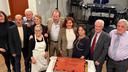
In the heart of New York City's Astoria, a neighborhood known for its vibrant immigrant communities, lies a unique sanctuary for the Croatian diaspora: the Rudar Social Club. More than just a building, Rudar represents a living embodiment of Croatian identity, a place where the familiar scent of home-cooked meals mingles with the sound of the Croatian language and the warmth of shared camaraderie. As reported by Croatians Online, this club has become a cornerstone for preserving the essence of Croatian culture far from its native shores.
Odlučili smo sve to staviti pod jedan krov. Prikupili smo novac, kupili zgradu i tako je nastao Rudar
The origins of Rudar are rooted in simple friendship and a collective desire for connection. Eugene Zuiliani, one of the founders and a long-serving board member, recalls how the club began as a response to the need for social interaction. "We decided to put it all under one roof," he explains, detailing how they pooled resources to purchase a building, thus giving birth to Rudar. The club's name itself, "Rudar" (Miner), pays homage to the mining heritage of Labin and the surrounding Istrian region, from which many of its founding members hailed before emigrating to America in the 1970s. Though the mines are long gone, the spirit of unity they fostered continues to thrive within the club's walls.
Ovo je jedno od rijetkih mjesta gdje se još uvijek može osjetiti prava domaća kuhinja
A significant draw for Rudar is its authentic Croatian cuisine, a culinary anchor that transports members back to their roots. Long-time cook Suzana Nemarić has been instrumental in building the club's reputation for genuine home-style cooking, making it a popular destination for gatherings, celebrations, and events hosted by various Croatian associations. The club's facilities, including a large hall, bar, and stage, provide a perfect setting for events that echo the atmosphere of gatherings "back home." "This is one of the few places where you can still taste real home cooking," notes club president Suzan Runko, underscoring its importance in maintaining cultural traditions.
Vođenje ovakvog prostora u New Yorku nije jednostavno. Troškovi su veliki – od osiguranja i plaća do hrane i održavanja. Mjesečno se lako potroši i 30 tisuća dolara
In recent years, Rudar has undergone a transformation under Suzan Runko's leadership, adopting a more business-oriented approach to management. Operating a venue in New York comes with substantial costs, estimated at $30,000 per month for expenses like insurance, salaries, and maintenance. The goal is to attract a broader audience, including American guests, by enhancing its social media presence and modernizing its promotional efforts. However, like many diaspora organizations, Rudar faces the critical challenge of engaging younger generations, whose lifestyles and needs differ from those of their predecessors. The club's enduring strength, however, lies in its dedicated people, from volunteers like Renato Rajković to the staff who contribute to its warm and welcoming ambiance. Večernji List's coverage highlights not just the club's operational aspects but the profound emotional and cultural significance it holds for the Croatian community in New York, serving as a vital link to their heritage.
Mlađe generacije danas žive drugačije. Nemaju istu potrebu za okupljanjem kao mi nekad
DistantNews Editorial
Originally published by Večernji List in Croatian. Translated, summarized, and contextualized by our editorial team with added local perspective. Read our editorial standards.
More Stories


From Our Blog

What Gets Lost (and Found) When News Is Translated

The Critical Role of Diaspora Media in Global News

What Travellers Should Know About Countries with Restricted Press

A Digital Nomad's Guide to Following Local News

How the Same Story Looks Different in Different Countries
