


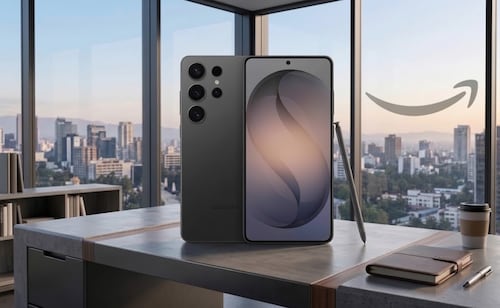

The Pokémon app that helps you sleep like a baby
Translated from Spanish and summarized by DistantNews. Read the original for the full story.
At a glance
In-depth
Sources not specified
Context piece
- Pokémon Sleep uses a phone’s accelerometer to track movement during sleep and classify rest into four patterns.
- After users wake up, the app shows which Pokémon appeared during the night and records their different poses in a collection called the “DormiDex.”
- Most features are free, while advanced sound tracking requires a premium subscription; the Pokémon GO Plus+ accessory can record sleep without leaving the phone by the bed.
What if sleeping could also become a game? Pokémon Sleep, available on iOS and Android, tracks sleeping habits and turns rest into a way to discover and collect Pokémon.
Before going to bed, users place their phone near the pillow. The app uses the device’s accelerometer to detect movement, then analyzes the night and classifies sleep into four patterns: light, medium, deep and balanced. It also reports how long the user slept, how long it took to fall asleep and how long each stage lasted.
The game’s central surprise comes after waking. Users see the Pokémon they “caught” alongside Snorlax, with each character appearing in a different pose depending on how they slept. These poses enter a collection called the “DormiDex,” which can gradually be completed.
Unlike other Pokémon games, Pokémon Sleep does not require users to travel, battle trainers or search for creatures outdoors. During the day, Pokémon that become friends with the user gather berries to feed Snorlax and increase its vigor. Combining that progress with sleep results produces more “Zzz” power for collecting characters and poses. The app can also record sounds during the night, although that advanced feature requires a premium subscription. The separately sold Pokémon GO Plus+ accessory can track sleep without keeping the phone beside the pillow and includes animated features involving Pikachu.
About this summary
Originally published by El Universal in Spanish. Translated, summarized, and contextualized automatically by DistantNews, with a note on how the source frames the story. Not individually reviewed before publishing. How this works.
More Stories

From Our Blog

What Press Freedom Means for the News You Read

News in Translation: What Gets Lost, and How We Keep the Framing

Diaspora Media: How Communities Follow News From Home

Traveling Where the Press Is Not Free: How to Read the News There

The Digital Nomad's Guide to Local News
