


The Power of Physical Existence: Is Sculpture Emerging as an Alternative in the AI Era?
Translated from Korean, summarized and contextualized by DistantNews.
TLDR
- The value of physical sculptures is being re-evaluated in the art market as artificial intelligence (AI) becomes more capable of generating images.
- Bronze sculptures, like those by Alexander Phimister Proctor, are seeing strong demand, with some works selling for double their estimated price.
- Experts believe the unique physical properties and craftsmanship of sculptures offer a distinct value proposition in the digital age, positioning them as a hedge against the proliferation of digital art.
The Dong-A Ilbo highlights a fascinating shift occurring in the global art market, where the tangible and unique nature of sculpture is experiencing a resurgence in value, particularly as a counterpoint to the rapidly advancing capabilities of Artificial Intelligence (AI) in image creation. This trend suggests that in an era increasingly dominated by digital reproducibility, the inherent physicality and irreplaceability of sculpted art are becoming highly prized economic and cultural assets.
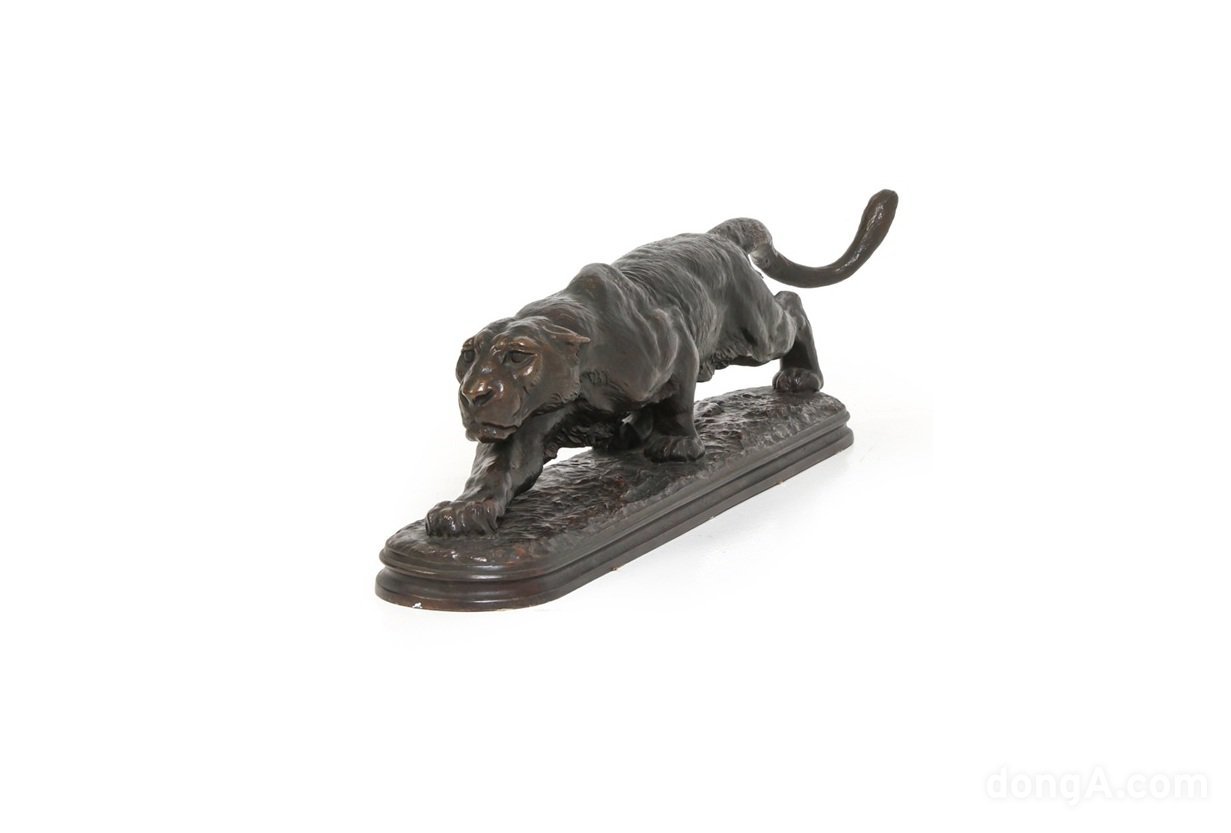
Recent auction results serve as compelling evidence of this phenomenon. The article points to the strong performance of bronze works by artists like Alexander Phimister Proctor. Notably, a bronze sculpture, 'Stalking Panther,' fetched $19,500 at a Connecticut auction, significantly exceeding its initial estimate of $10,000. This robust demand, with prices often doubling estimates for works in good condition and reflecting specific casting techniques and patinas, indicates a discerning collector base willing to invest in the material substance and artistic labor embedded in these pieces.
Art market specialists interviewed by Dong-A Ilbo emphasize that sculpture's value is intrinsically tied to its physical reality—the materials used, the casting methods, and the surface textures. Unlike flat art, which can be easily consumed visually through images or digital reproductions, sculpture demands a physical encounter. This tactile and spatial engagement, coupled with the meticulous craftsmanship involved in its creation, sets it apart in a world where digital replication is effortless. The process of evaluating a sculpture, involving close examination of its condition, casting precision, and patina, is described as a complex task that technology cannot easily replicate, thereby underpinning its asset value.
From a South Korean perspective, as presented by the Dong-A Ilbo, this trend is not merely a fleeting market fluctuation but a fundamental shift. It suggests that the very qualities that AI struggles to emulate—physicality, unique material properties, and the direct imprint of the artist's hand—are becoming the most valuable attributes. Sculptures are thus emerging not just as collectibles but as a tangible alternative and a hedge against the ephemeral nature of the digital realm. This revaluation offers a unique opportunity for collectors and artists alike, emphasizing the enduring power of real-world creation in an increasingly virtual landscape. The article implicitly celebrates this return to the material, suggesting it is a necessary counterbalance to the digital deluge.
DistantNews Editorial
Originally published by Dong-A Ilbo in Korean. Translated, summarized, and contextualized by our editorial team with added local perspective. Read our editorial standards.
More Stories



From Our Blog

What Gets Lost (and Found) When News Is Translated

The Critical Role of Diaspora Media in Global News

What Travellers Should Know About Countries with Restricted Press

A Digital Nomad's Guide to Following Local News

How the Same Story Looks Different in Different Countries
