

![The psychology of the World Cup opener: "Then Austria quickly gets into trouble" [premium]](https://img.diepresse.com/public/incoming/63oyon-gepa-20260609-101-142-0003/alternates/ORIGINAL/GEPA-20260609-101-142-0003)
The psychology of the World Cup opener: "Then Austria quickly gets into trouble" [premium]
Translated from German, summarized and contextualized by DistantNews.
At a glance
Analysis
Named sources
Context piece
- Austria faces Jordan in their World Cup opener, a match they are heavily favored to win.
- The psychological advantage in such games depends on player types and their mindset: focusing on winning can create pressure for favorites, while underdogs may play more freely.
- Emotional control, staying present, and mental preparation for various game scenarios are crucial for players to perform under pressure at the World Cup.
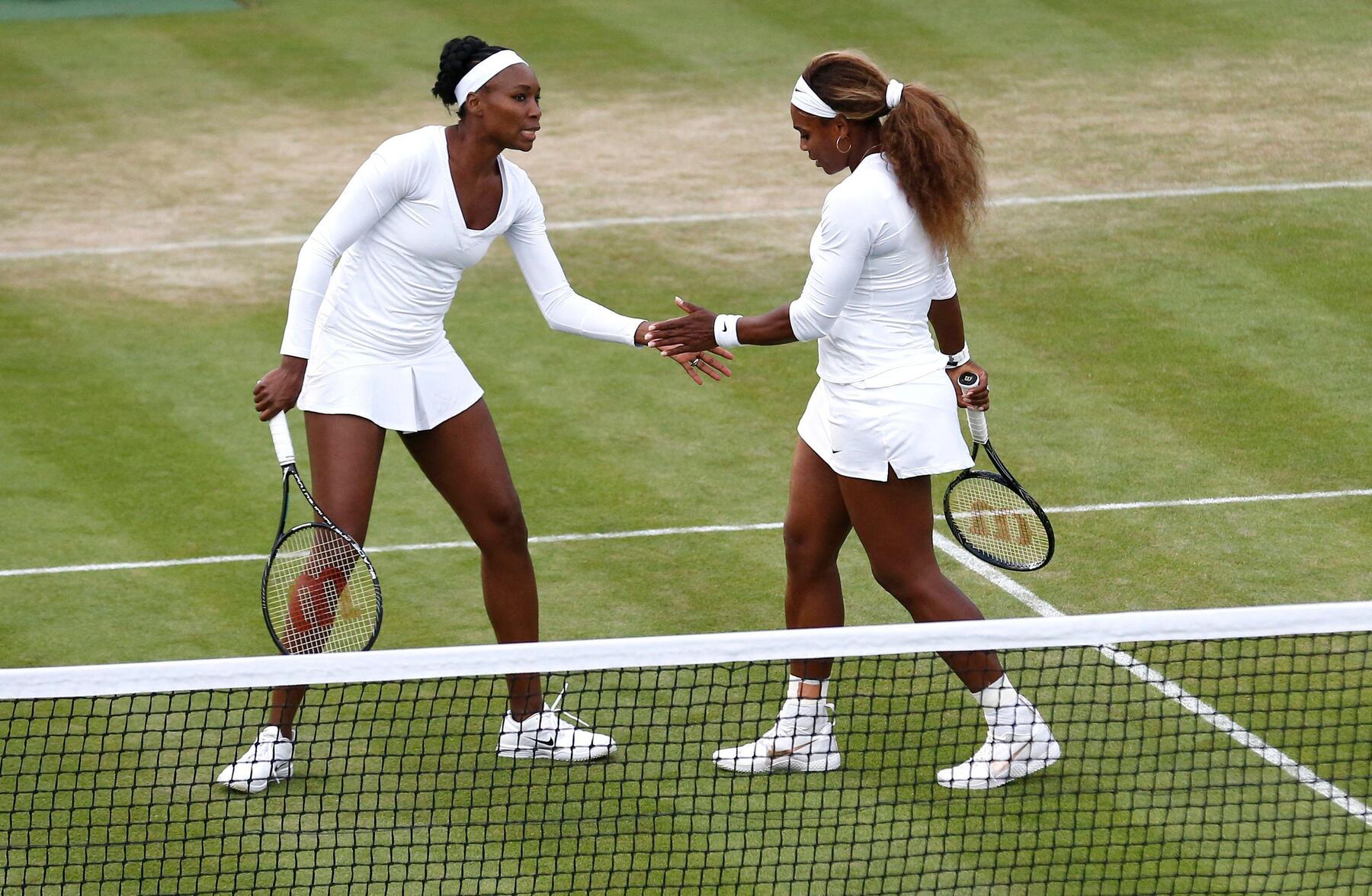
Austria begins its World Cup campaign on Wednesday against Jordan, a match where the Austrian team is considered the clear favorite. The psychological dynamics of opening matches, particularly between a favored team and an underdog, hinge significantly on the players' individual mindsets and how they handle pressure.
According to psychological analysis, favorites can quickly encounter problems if their primary focus is solely on the outcome, leading to immense pressure to win. Conversely, underdogs often have the freedom to play more openly. However, the ultimate advantage lies not in the role but in the team's internal attitude – whether they approach the game with joy and courage or with caution and fear of making mistakes.
Emotions play a critical role, with fear potentially leading to defensive play, while excitement can be motivating but also lead to recklessness. The World Cup stage, being the pinnacle of football, amplifies these emotional challenges. Maintaining control requires players to stay grounded in the present moment, avoiding fixation on past errors or dwelling excessively on the potential result.
Mental preparation is key. While players must focus on playing football, they also need to be mentally ready for various game situations. This includes discussing potential scenarios, such as maintaining a 0-0 scoreline after 70 minutes or falling behind. Preparing for disappointment, which can slow reactions and negatively impact body language, is vital. Teams that anticipate and prepare for these situations, including refereeing errors or early goals conceded, are less likely to fall into a state of shock and can react more effectively.
DistantNews Editorial
Originally published by Die Presse in German. Translated, summarized, and contextualized by our editorial team with added local perspective. Read our editorial standards.
More Stories

From Our Blog

What Gets Lost (and Found) When News Is Translated

The Critical Role of Diaspora Media in Global News

What Travellers Should Know About Countries with Restricted Press

A Digital Nomad's Guide to Following Local News

How the Same Story Looks Different in Different Countries
