


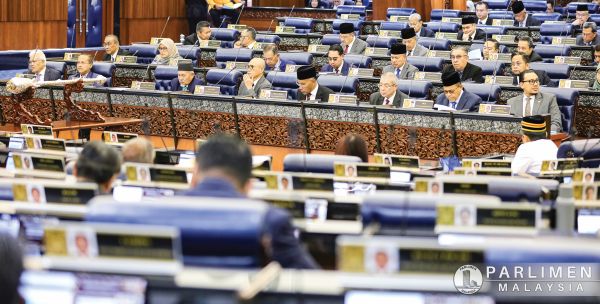
The pulse of the people drives the elected representative's manifesto
Translated from Malay, summarized and contextualized by DistantNews.
At a glance
Analysis
Sources not specified
Context piece
- Parliament symbolizes the voice of the people in a democracy, where representatives discuss national issues based on their manifestos.
- Historical figures like Abraham Lincoln and Winston Churchill are remembered for their influential speeches that shaped democratic discourse.
- The article emphasizes that elected representatives should use their judgment for the nation's benefit, not just follow voters blindly.
The institution of Parliament serves as a crucial symbol in democratic politics, representing the collective voice of the people for national discussion. Elected representatives are tasked with debating and addressing the populace's concerns, guided by the manifestos they presented during campaigns. The structure of parliamentary representation, where the number of representatives correlates with population size, underscores the principle of citizen-based governance.
The people's pulse is the driver of the manifesto of the Yang Berhormat.
Throughout history, influential political figures have delivered speeches that have left an indelible mark on democratic thought. Abraham Lincoln's Gettysburg Address, though brief, is considered one of the most impactful political speeches, encapsulating the ideals of "of the people, by the people, for the people." Similarly, Winston Churchill's wartime speeches, such as "we shall never surrender," rallied a nation facing existential threat, demonstrating the power of concise yet potent rhetoric in times of crisis.
of the people, by the people, for the people
Edmund Burke, a foundational figure in modern conservative thought, offered enduring insights into the role of elected officials. He posited that representatives should not merely adhere to the dictates of their constituents but should exercise their own wisdom and judgment for the greater good of the nation. This perspective remains highly relevant in contemporary debates about the responsibilities of parliamentarians worldwide.
we shall never surrender
As Malaysia's Parliament convenes and state elections loom, the article prompts elected officials to reflect on their roles. It stresses that their primary duty extends beyond party loyalty; they are fundamentally representatives of their constituents. The core principle is to serve the people, ensuring that parliamentary proceedings genuinely reflect the pulse of the nation and contribute to its well-being.
a people's representative ought not to be strictly bound by the instructions of his constituents, but must use his own discretion and judgment for the good of the country.
DistantNews Editorial
Originally published by Utusan Malaysia in Malay. Translated, summarized, and contextualized by our editorial team with added local perspective. Read our editorial standards.
More Stories

From Our Blog

What Gets Lost (and Found) When News Is Translated

The Critical Role of Diaspora Media in Global News

What Travellers Should Know About Countries with Restricted Press

A Digital Nomad's Guide to Following Local News

How the Same Story Looks Different in Different Countries
