


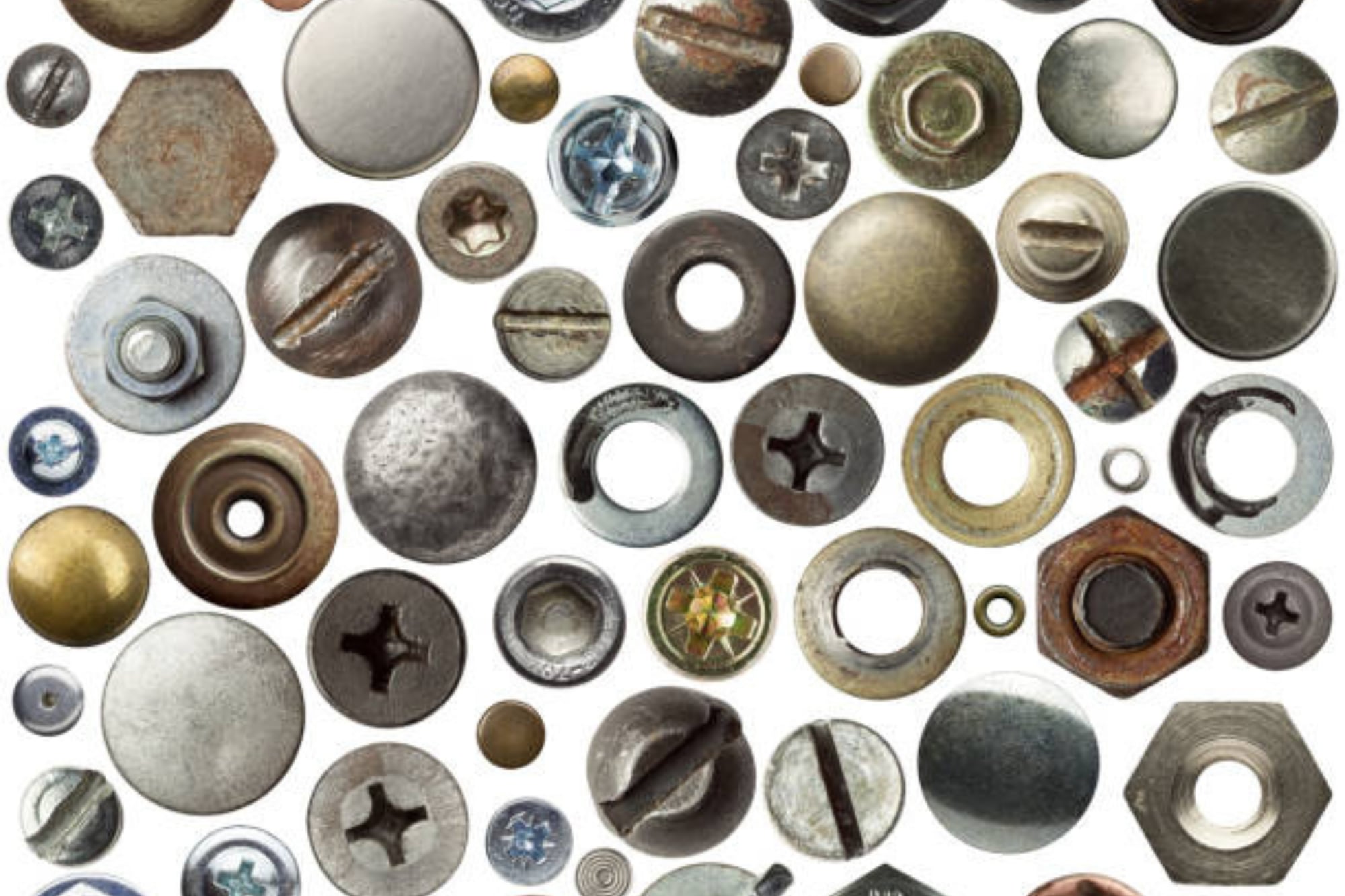
The reason behind different screw head slots explained
Translated from Spanish, summarized and contextualized by DistantNews.
At a glance
Explainer
Sources not specified
Context piece
- Screwdrivers have different head slots (straight, cross, star, etc.) for specific purposes.
- The slot type determines the appropriate screwdriver and the amount of force needed to tighten or loosen the screw.
- Different slots offer varying grip and resistance, crucial for tasks ranging from furniture assembly to automotive mechanics.
The common question of why screws have different head slots is answered by their specific functions and the tools designed to match them. Users often encounter straight, cross, star, and other shaped slots, each serving a distinct purpose.
The type of slot dictates the screwdriver required and influences the force that can be applied. For instance, a screw designed for furniture assembly might require a different driver and grip than one used in automotive mechanics. The slot's design ensures proper engagement with the screwdriver, preventing slippage and ensuring the correct amount of torque is applied.
Beyond basic grip, the slot design contributes to the screw's resistance to loosening and its overall stability. Flathead screws, for example, often require a special wrench and are typically found in heavy-duty applications like metal construction or the automotive industry. The precise fit between the screw head and the driver is essential for efficient and secure fastening.
DistantNews Editorial
Originally published by La Nación in Spanish. Translated, summarized, and contextualized by our editorial team with added local perspective. Read our editorial standards.
More Stories



From Our Blog

What Gets Lost (and Found) When News Is Translated

The Critical Role of Diaspora Media in Global News

What Travellers Should Know About Countries with Restricted Press

A Digital Nomad's Guide to Following Local News

How the Same Story Looks Different in Different Countries
