


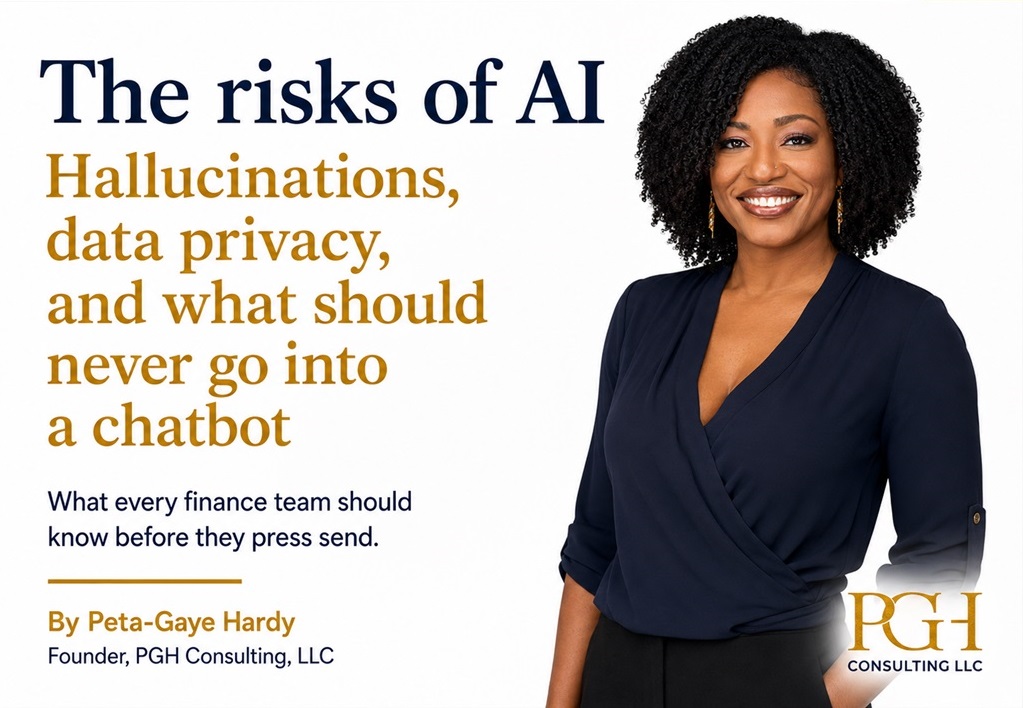
The Risks of AI: Hallucinations, Data Privacy, and What Should Never Go Into a Chatbot
Translated from English, summarized and contextualized by DistantNews.
At a glance
Analysis
Sources not specified
Context piece
- Jamaican businesses are adopting AI tools faster than safe usage habits can develop.
- AI can invent information (hallucinate) or cause given information to spread unintentionally.
- Businesses must establish clear rules for AI use, focusing on verifying AI-generated figures and avoiding inputting confidential material.
Jamaican businesses are rapidly integrating artificial intelligence tools into their operations, but this adoption is outpacing the development of essential safe usage habits. The column has consistently advocated for AI's use in finance for tasks like cash flow forecasting and receipt processing, always accompanied by warnings to verify all outputs and refrain from inputting confidential data.
This week, the focus sharpens on two primary risk categories: the potential for AI to fabricate information and the unintended dissemination of sensitive data provided to AI systems. While these risks do not necessitate abandoning AI, they underscore the critical need for clearly defined operational rules.
A significant concern is AI's tendency to "hallucinate" – generating plausible-sounding but inaccurate information. This can manifest as incorrect financial totals, fabricated contract clauses, or outdated and imagined tax thresholds, all delivered with unwavering confidence. Newer AI models hallucinate less frequently, but the risk remains, particularly with precise figures, obscure facts, and citations where verification is most challenging.
To mitigate these risks, two key habits are essential. Firstly, AI should be used to read and process existing figures, not generate them. Any number or statutory information included in an AI output must originate from the source documents provided. Secondly, similar to due diligence practices, all AI-generated answers should be cross-referenced and verified, especially when dealing with specific financial data or legal requirements.
DistantNews Editorial
Originally published by Jamaica Observer in English. Translated, summarized, and contextualized by our editorial team with added local perspective. Read our editorial standards.
More Stories


From Our Blog

What Gets Lost (and Found) When News Is Translated

The Critical Role of Diaspora Media in Global News

What Travellers Should Know About Countries with Restricted Press

A Digital Nomad's Guide to Following Local News

How the Same Story Looks Different in Different Countries
