



The Silent Danger of Sexually Transmitted Infections: No Pain or Itching, Yet Still Ill
Translated from Vietnamese and summarized by DistantNews. Read the original for the full story.
At a glance
News
Named sources
Context piece
- WHO says most sexually transmitted infections produce no symptoms, even as more than 1 million curable infections occur daily among people aged 15 to 49 worldwide.
- Chlamydia, gonorrhea, syphilis, herpes and HPV can remain unnoticed, including when infections affect the throat or rectum.
- Testing, rather than waiting for visible symptoms, helps detect infection and support timely treatment.
No pain, no itching, no unusual discharge, and no visible lesions do not necessarily mean a person is free of a sexually transmitted infection.
The World Health Organization says most sexually transmitted infections have no symptoms. It estimates that more than 1 million new cases of curable STIs occur every day among people aged 15 to 49 worldwide, with most infections showing no clear signs.
Chlamydia is a prominent example, particularly among women. Many infected people notice nothing unusual, while mild symptoms can resemble common gynecological or urinary problems. Gonorrhea can also go unnoticed when bacteria are present in the throat or rectum. The absence of symptoms in the genital area does not rule out infection.
Syphilis can enter a latent stage after its early symptoms disappear. An infected person may feel completely healthy for a long time, even though the infection has not necessarily gone away. Without detection and treatment, syphilis can progress and damage multiple organs. Genital herpes and HPV can also remain difficult to detect. Some high-risk HPV types can cause cellular changes that develop into precancerous lesions and cancer if they persist.
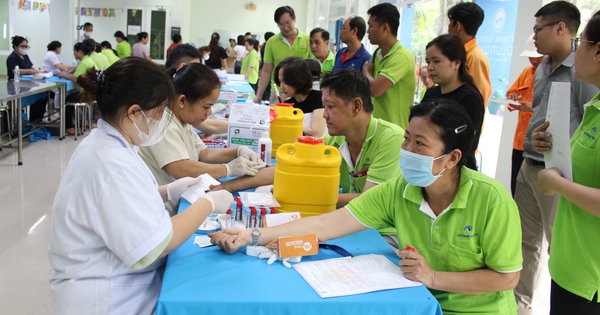
Sexual contact involving the mouth or anus can carry infections to the throat or rectum, where symptoms may be absent while transmission remains possible. Some untreated STIs can later affect reproductive health, complicate pregnancy or damage other organs. Testing is therefore important after a potential exposure, even when the body appears normal. The article says screening choices and frequency should take factors such as age and medical history into account.
About this summary
Originally published by Tuổi Trẻ in Vietnamese. Translated, summarized, and contextualized automatically by DistantNews, with a note on how the source frames the story. Not individually reviewed before publishing. How this works.
More Stories



From Our Blog

News in Translation: What Gets Lost, and How We Keep the Framing

Diaspora Media: How Communities Follow News From Home

Traveling Where the Press Is Not Free: How to Read the News There

The Digital Nomad's Guide to Local News

The Same Story, Different Countries: How Coverage Changes at the Border
