

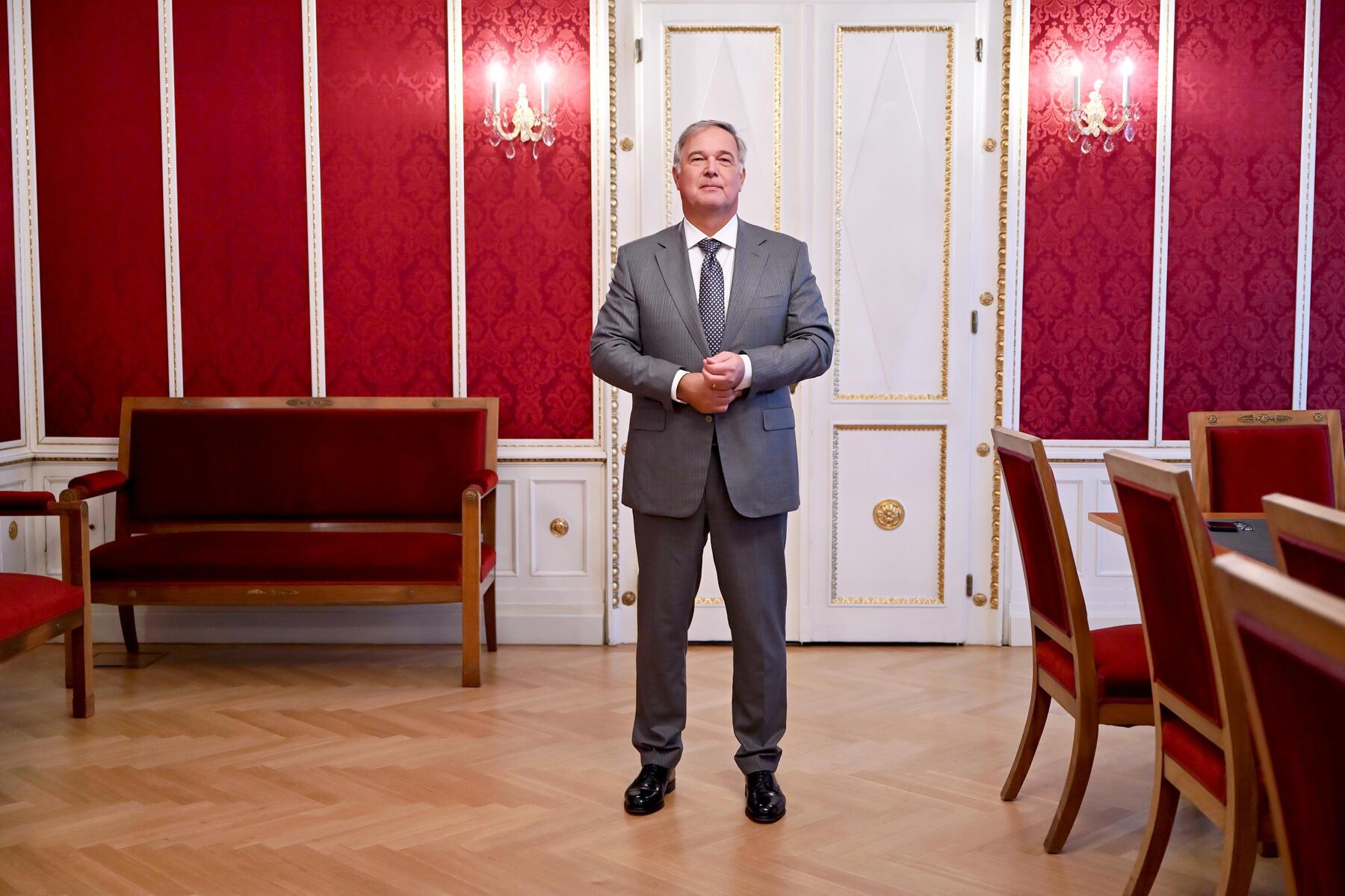
The Stone Age is Over: Walter Ruck, a Technician of Power, Steps Down
Translated from German, summarized and contextualized by DistantNews.
At a glance
Opinion
Sources not specified
Outcome reported
- Walter Ruck, president of the Vienna Chamber of Commerce, has resigned after facing internal party dissent and public criticism.
- Ruck's leadership style was described as authoritarian and self-serving, alienating members within his own party, the ÖVP.
- His departure marks the end of an era, with his resignation deemed unavoidable due to mounting pressure and negative experiences shared by former colleagues.
Walter Ruck, the long-serving president of the Vienna Chamber of Commerce, has stepped down, marking the end of a controversial tenure. Described as a "maker with handshake quality" on one hand and a "self-important string-puller" on the other, Ruck's resignation was seen as inevitable.
Ruck, a civil engineer by training, led the chamber with a mindset often associated with post-war politicians: power-conscious, even power-drunk, and self-assured to the point of arrogance. His network had long sustained him in his position, allowing him to pursue his goals without detours. However, this era has now concluded.
His decision to step down came after his own party, the ÖVP, began to distance itself from him. While initially appearing indifferent to his party's stance, the public resignation of members from the Vienna Business Association (Wiener Wirtschaftsbund), particularly women, likely impacted him significantly. These women cited negative experiences with Ruck's overbearing demeanor from past times, indicating deep-seated resentment within the party.
Ruck's departure was deemed necessary as he would have faced difficulties in public appearances and negotiations moving forward. The timing of his resignation, coinciding with the "summer lull" in news, may have amplified its impact, reducing the chances for the issue to fade. For some within the party and the Chamber, Ruck's decision came as a surprise, but the step was widely considered unavoidable.
DistantNews Editorial
Originally published by Die Presse in German. Translated, summarized, and contextualized by our editorial team with added local perspective. Read our editorial standards.
More Stories
From Our Blog

What Gets Lost (and Found) When News Is Translated

The Critical Role of Diaspora Media in Global News

What Travellers Should Know About Countries with Restricted Press

A Digital Nomad's Guide to Following Local News

How the Same Story Looks Different in Different Countries
