


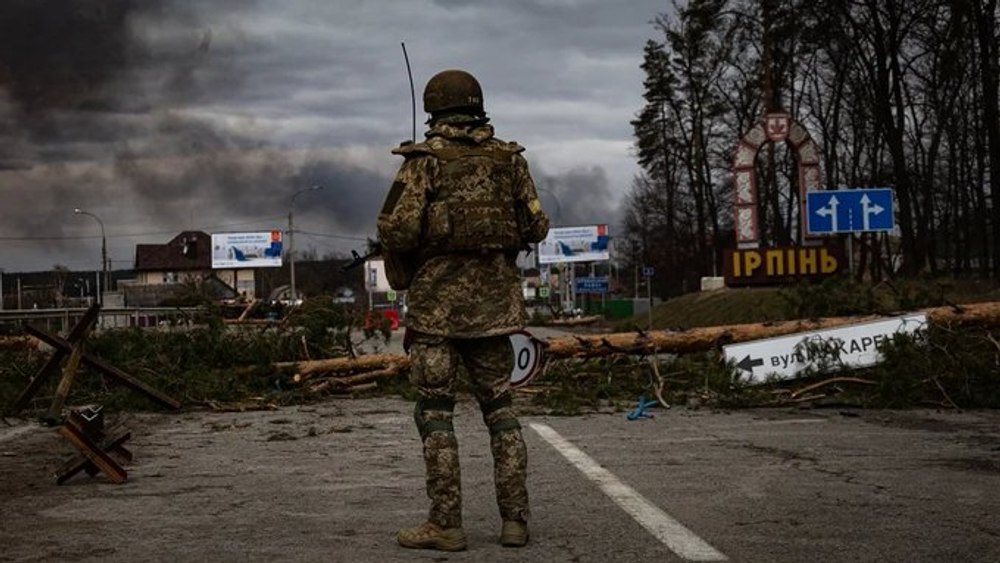
The Strait of Hormuz at the Danube Delta: Provincial Observations Amidst War Narratives
Translated from Romanian and summarized by DistantNews. Read the original for the full story.
At a glance
Analysis
Sources not specified
Context piece
- The war in Ukraine presents conflicting narratives, with media and public perception struggling to discern a clear outcome.
- The author criticizes the public's passive consumption of information and lack of source verification.
- Recent events, including a secret CIA chief visit to Moscow, suggest potential future developments in the conflict.
The ongoing conflict in Ukraine is mired in a confusing swirl of narratives, leaving the public with seemingly contradictory certainties: Ukraine is winning, and Russia is winning. This "tertium non datur" situation, as the director Lucian Pintilie might say, highlights not only the war's complex nature but also the public's struggle to process information.
The author laments the average information consumer's tendency to accept information uncritically, particularly from social media and television. In an era where patience for verification is scarce, many readily absorb what appears logical or spectacular, overlooking the possibility of a "third way" or the reality's many shades of gray. This passive consumption, the article suggests, is exacerbated by the polarizing effect of war, which pressures individuals to adopt conventional, often imposed, viewpoints to avoid standing out.
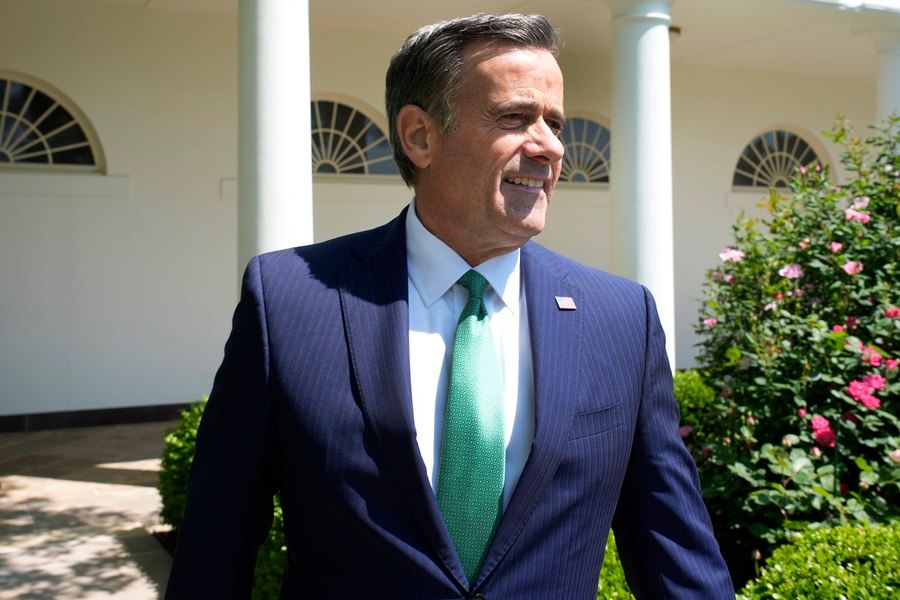
Returning to the external subject of the day, the war in Ukraine, the article notes how our perception is filtered through self-imposed limitations on the "media wall" surrounding us. Images may or may not accurately suggest the conflict's direction. A recent, highly secret yet publicly known, visit by the CIA chief to Moscow is interpreted by many observers as preparation for events expected in the coming months. This conclusion stems from the extended stay of a Boeing C-17A transport aircraft at Vnukovo Airport in Moscow, reportedly carrying the CIA director.
While the exact purpose of the visit remains speculative, the presence of a high-ranking U.S. intelligence official in Moscow signals significant diplomatic or intelligence-gathering activity. The article implies that such high-level interactions, even if shrouded in secrecy, are indicative of underlying strategic maneuvers and potential shifts in the conflict's trajectory. The author concludes that these events, viewed through the "narrow windows" of our media consumption, offer only a partial glimpse into the complex geopolitical dynamics at play.
About this summary
Originally published by Adevărul in Romanian. Translated, summarized, and contextualized automatically by DistantNews, with a note on how the source frames the story. Not individually reviewed before publishing. How this works.
More Stories
From Our Blog

What Gets Lost (and Found) When News Is Translated

The Critical Role of Diaspora Media in Global News

What Travellers Should Know About Countries with Restricted Press

A Digital Nomad's Guide to Following Local News

How the Same Story Looks Different in Different Countries
