


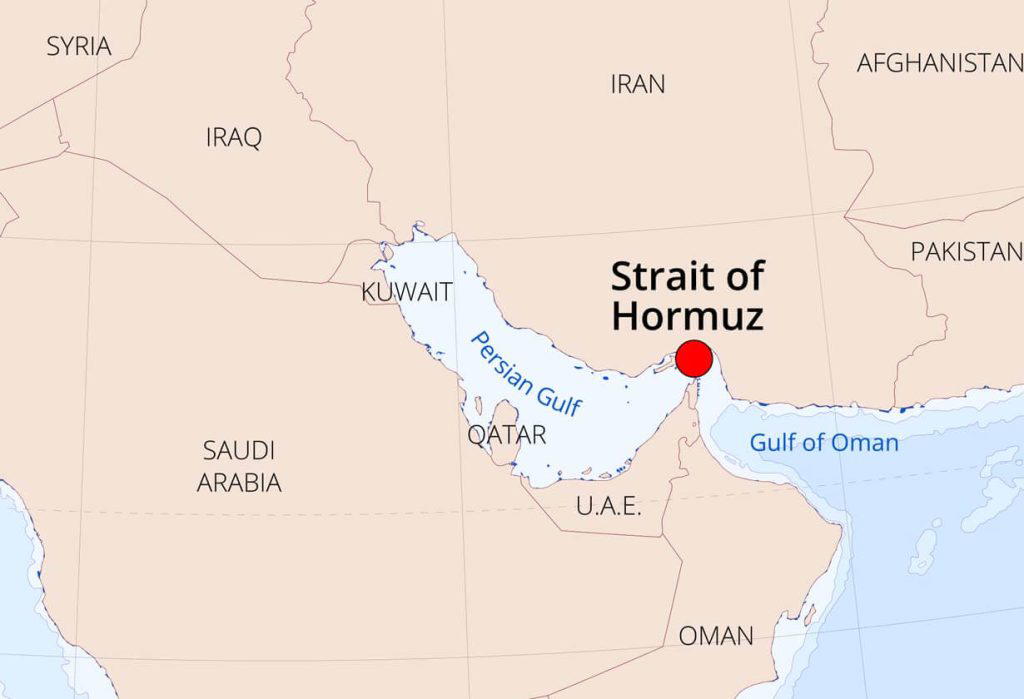
The Strait of Hormuz must stay open
Summarized and contextualized by DistantNews.
At a glance
Analysis
Sources not specified
Context piece
- The Strait of Hormuz, a critical oil chokepoint, is essential for global stability, with 21% of global petroleum consumption passing through daily.
- Closures or threats of closure historically trigger global economic shocks, including surging oil prices, accelerated inflation, and rerouted shipping.
- The article advocates for redesigning the strait as a UN/IMO-governed international waterway with multinational naval patrols to ensure permanent openness and reduce dependency on Middle Eastern oil.
The Strait of Hormuz, a vital artery for global oil transport, must remain open to ensure international stability, according to an analysis in Vanguard (NG). Approximately 21% of the world's daily petroleum consumption, around 21 million barrels, transits this narrow waterway between Iran and Oman.
History demonstrates that any disruption to the strait's flow, even threats, precipitates significant global economic consequences. In 2019, Iran's threat to block the strait caused Brent crude prices to surge 10% within days. Similarly, a partial slowdown in 2022 led to a 7% rise in global oil prices and a 15% increase in freight costs.
The economic fallout from such bottlenecks includes soaring oil prices, accelerated inflation, costly rerouting of shipping corridors, and input shortages for energy-dependent sectors like manufacturing and agriculture. Conversely, the resumption of traffic brings swift relief, as seen in 2019 when oil prices stabilized within 48 hours of traffic resuming.
Given the strait's narrow geography, making it vulnerable to blockade or sabotage, the article proposes redesigning it as a special international waterway under UN and International Maritime Organization (IMO) oversight. This framework, governed by universal access rules, would prohibit closure for political or military purposes and be monitored by a multinational naval patrol.
Additionally, the piece suggests reducing global dependency on Middle Eastern oil by diversifying supply routes, expanding renewable energy, and promoting electric mobility. It also calls for Middle Eastern nations to prioritize regional stability, economic cooperation, and diplomatic engagement over confrontation, learning from the devastation caused by extreme ideologies.
DistantNews Editorial
Originally published by Vanguard. Summarized and contextualized by our editorial team with added local perspective. Read our editorial standards.
More Stories


From Our Blog

How the Same Story Looks Different in Different Countries

What Gets Lost (and Found) When News Is Translated

The Critical Role of Diaspora Media in Global News

What Travellers Should Know About Countries with Restricted Press

A Digital Nomad's Guide to Following Local News
