


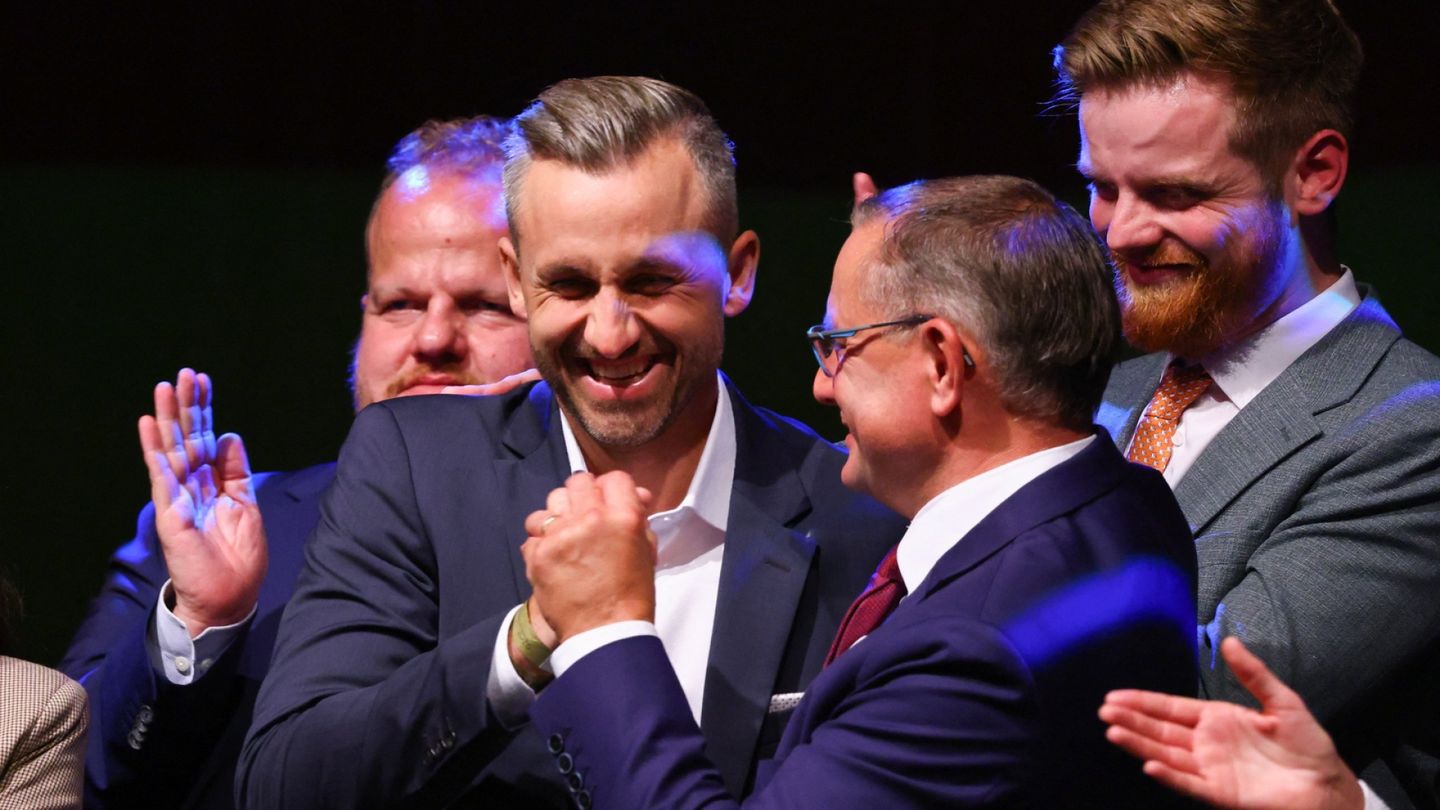

The Sweden Democrats have broken the old political blocs
Translated from Finnish and summarized by DistantNews. Read the original for the full story.
At a glance
Analysis
Sources not specified
Ongoing story
- Magdalena Andersson's Social Democrats lead opinion polls, but her potential partners disagree over coalition participation and ministerial posts.
- Ulf Kristersson has a clearer path to becoming prime minister if he works with the Sweden Democrats, a move that could bring the party into government for the first time.
- The Sweden Democrats' rise has redrawn political divisions around immigration, crime and national identity alongside the traditional left-right divide.
Sweden's two prime ministerial candidates are heading into Sunday's election without a guaranteed government option. Social Democratic leader Magdalena Andersson leads the polls, but the parties that could support her do not all accept the same coalition. Moderate Party leader Ulf Kristersson has a clearer route to power, but it depends on a price he is willing to pay: bringing the Sweden Democrats into government.
Kristersson first formed a government with Sweden Democrat support four years ago, although the party remained outside the cabinet. It nevertheless gained substantial influence, especially over immigration and criminal policy. This time, the party could receive ministerial posts. Andersson has used that possibility as an electoral warning, saying Sweden could face 12 to 14 Sweden Democrat ministers.
The old conservative bloc broke apart as the Moderates, Christian Democrats and Liberals accepted the Sweden Democrats as a government partner, while the Centre Party did not. The Centre Party has moved into Andersson's camp, but that does not solve her coalition problem. The party rejects a government that includes the Left Party, while the Left Party demands cabinet positions in return for supporting Andersson.
The Centre Party could therefore decide Andersson's governing formula. The Liberals could also determine the election's outcome if they fall below Sweden's 4 percent threshold and leave parliament, weakening Kristersson's prospects for a right-wing majority.
A Sweden Democrat entry into government would be historic given the party's origins in the racist Bevara Sverige Svenskt movement of the 1980s, whose founders included neo-Nazis and fascists. Jimmie Åkesson joined in 1995 as the party was cutting ties with Nazi connections and later moved it from the margins toward the center of power. During the campaign, however, the party again sharpened its rhetoric against immigrants and Islam.
The traditional left-right divide still matters, but immigration, crime and national identity have created additional fault lines. Law and order, healthcare and schools are among the election's central issues. The party's economic thinking has moved closer to the Moderates, while its tougher line on immigration and criminal policy remains intact.
About this summary
Originally published by Helsingin Sanomat in Finnish. Translated, summarized, and contextualized automatically by DistantNews, with a note on how the source frames the story. Not individually reviewed before publishing. How this works.
More Stories


From Our Blog

News in Translation: What Gets Lost, and How We Keep the Framing

Diaspora Media: How Communities Follow News From Home

Traveling Where the Press Is Not Free: How to Read the News There

The Digital Nomad's Guide to Local News

The Same Story, Different Countries: How Coverage Changes at the Border
