


The Sweet Life: Exhibition Explores Italy's Allure for Hungarian Artists
Translated from Hungarian, summarized and contextualized by DistantNews.
At a glance
In-depth
Sources not specified
Context piece
- An exhibition explores the concept of "la dolce vita" (the sweet life) through the lens of Italian culture and its influence on Hungarian artists.
- The exhibition showcases various interpretations of Italy, from ancient history to modern life, highlighting the allure of its culture, landscapes, and lifestyle for Hungarian creatives.
- Featuring diverse artworks like paintings, graphics, sculptures, and photographs, the exhibition is structured thematically rather than chronologically, allowing for flexible interpretation.
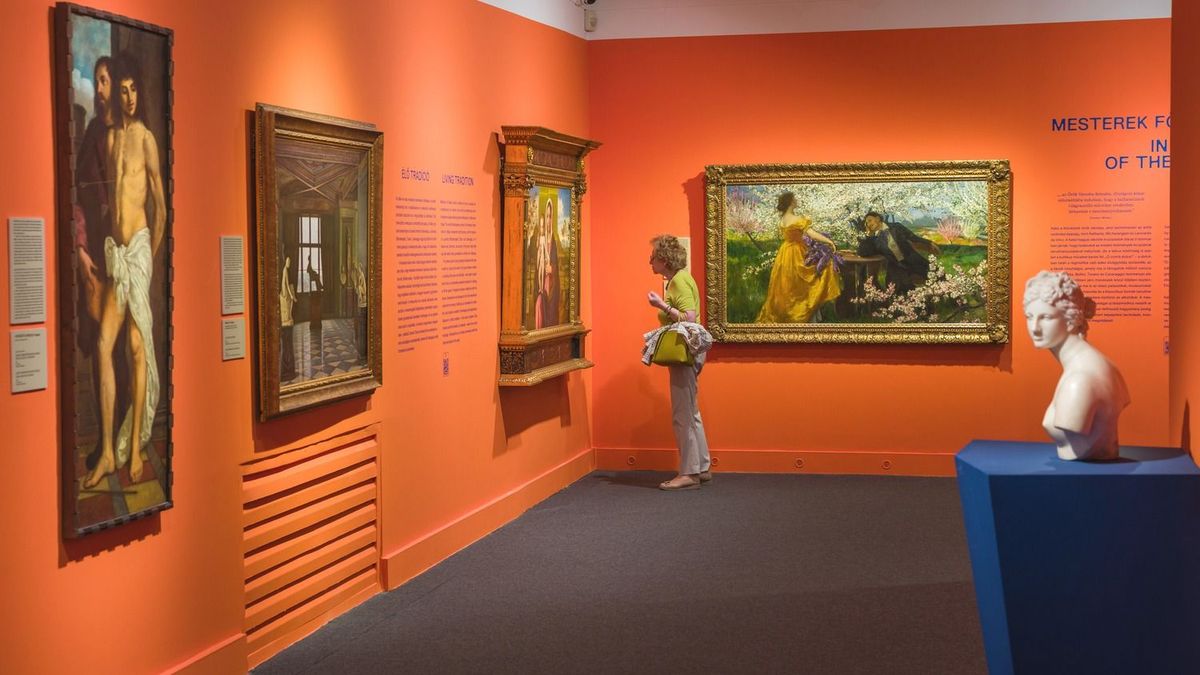
An exhibition titled "La Dolce Vita: The Sweet Life" delves into the enduring fascination Hungary has with Italy, presenting a multifaceted exploration of Italian culture and its profound impact on Hungarian artists. The exhibition, curated by Adrienn Prágai, aims to showcase how various facets of Italy have inspired creatives, from its ancient heritage to its vibrant modern life.
Prágai explained that the exhibition presents diverse definitions of Italy, with each room featuring elements that embody the "sweet life" theme. Beyond direct interpretations of "la dolce vita," the displays also capture what Italy has meant as an experience for the artists. "We yearn for antiquity, for original antiquities, for the whole culture," she stated, emphasizing the deep connection Hungarian artists feel towards Italy's rich history and artistic legacy.
The curator elaborated on how Italy has always been a special destination for Hungarian artists, drawing them to witness firsthand the artworks and historical sites they had only known through books. The allure extended beyond art to the Italian lifestyle itself, with its Mediterranean landscapes, city atmospheres, and joie de vivre captivating many. Diary entries and memoirs displayed at the exhibition further illustrate the deep impressions Italy left on these artists, noting their appreciation for the direct approach to life, communal dining traditions, and the unique cultural ambiance.
The exhibition features a wide range of works, including paintings by Antal Ligeti, who captured Italian landscapes, and Károly Markó the Elder, who considered Italy his second home. Tivadar Csontváry Kosztka's mystical landscapes and Lajos Gulácsy's Dante-inspired pieces are also on display, alongside works depicting Italian street life and everyday moments. The collection, comprising paintings, graphics, sculptures, and photographs, offers a diverse perspective on Italy's inspirational power for Hungarian artists.
Structured thematically rather than chronologically, the exhibition allows for a fluid experience, akin to a kaleidoscope, as Prágai described. This approach enables visitors to engage with artworks spanning over a century within the same thematic groups, fostering a dynamic and enjoyable exploration of the enduring Italian influence on Hungarian art.
A művészet mellett maga az olasz életforma is vonzotta őket. A tengerpart, a mediterrán táj, a városok hangulata és az emberek életigenlése sok magyar alkotót lenyűgözött. A kiállításon látható naplórészletek és visszaemlékezések is arról mesélnek, milyen mély benyomást tett rájuk az ottani élet. Gyakran említik a közvetlenebb életszemléletet, a közös étkezések hagyományát és azt a sajátos kulturális légkört, amely számukra egyszerre volt újszerű és inspiráló
DistantNews Editorial
Originally published by Magyar Nemzet in Hungarian. Translated, summarized, and contextualized by our editorial team with added local perspective. Read our editorial standards.
More Stories

From Our Blog

Countries Without a Free Press: What You Need to Know

What Press Freedom Means for the News You Read

What Gets Lost (and Found) When News Is Translated

The Critical Role of Diaspora Media in Global News

What Travellers Should Know About Countries with Restricted Press
