

The Three Little Pigs Without a Wolf: Musical Reimagines Familiar Tale with a Twist
Translated from Korean, summarized and contextualized by DistantNews.
At a glance
In-depth
Named sources
Context piece
- A new musical theater production reimagines the classic fairy tale "The Three Little Pigs."
- The play, titled "So the Wind Blew, and I Ate My Two Brothers," focuses on the pigs' emotions surrounding fear, symbolized by the wolf, rather than a simple good-versus-evil narrative.
- Composer Lee Han-neuri directed and composed the music, which blends classical, percussion, electronic, and vocal elements to create a deliberately unsettling atmosphere.
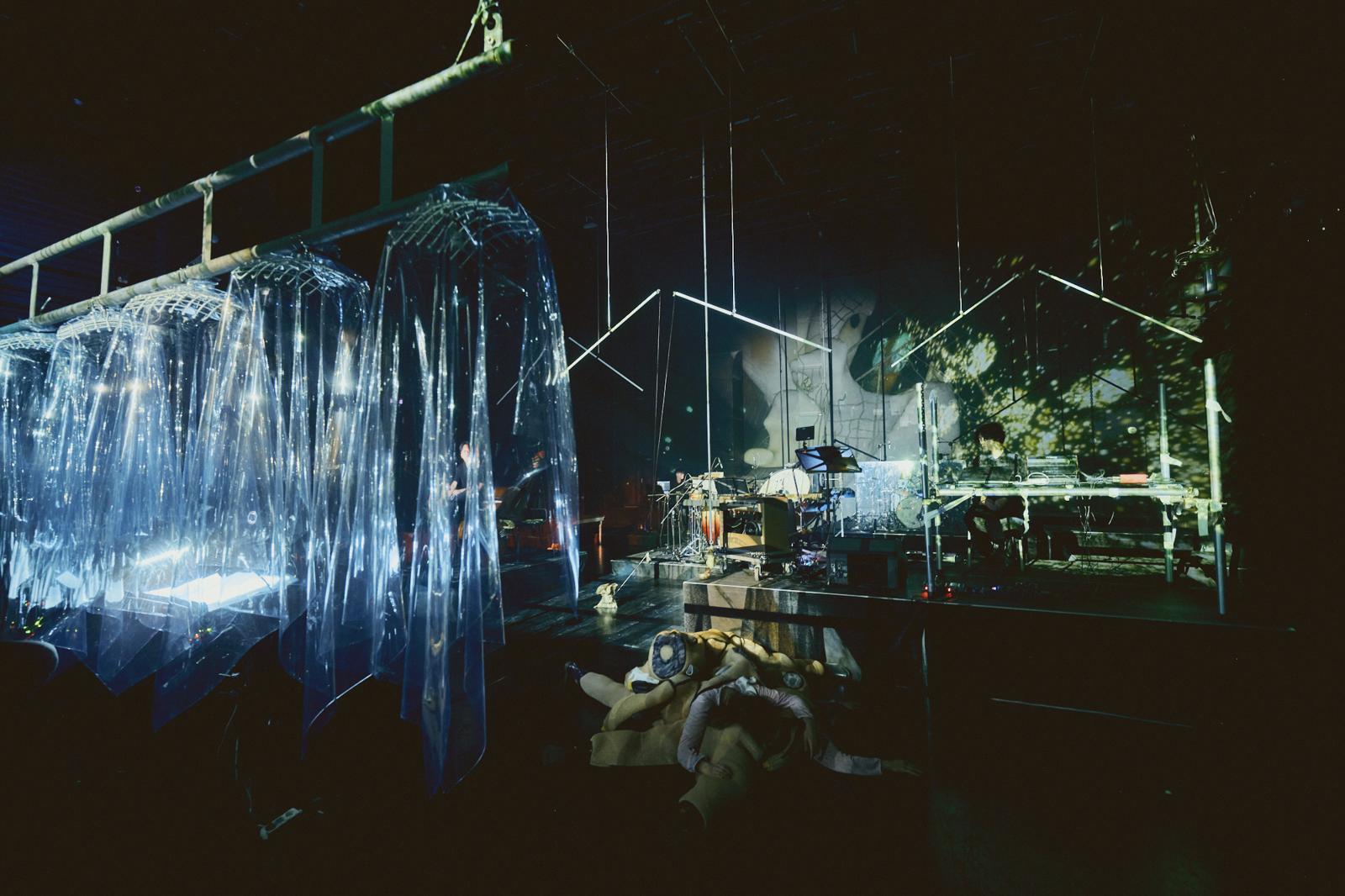
The musical "So the Wind Blew, and I Ate My Two Brothers" offers a dark, unconventional twist on "The Three Little Pigs." Instead of the traditional happy ending where the youngest pig outsmarts the wolf, this production delves into the emotional complexities of the pigs' fear. The title itself reveals a disturbing turn: the third pig not only survives but consumes the wolf that ate his two older brothers, symbolically absorbing them.
Directed and musically composed by acclaimed contemporary composer Lee Han-neuri, the production eschews straightforward storytelling for fragmented metaphors. The set design, reminiscent of a pig's roof, and the pigs themselves, appearing more like eerie alien creatures than cute storybook characters, immediately signal a departure from the familiar. The music amplifies this sense of unease, a deliberate fusion of classical instruments like violins and cellos with percussion, electronic sounds, and vocals.
The Three Little Pigs lived happily ever after.
A key departure from the original tale is the absence of the wolf as a physical presence on stage. Lee Han-neuri explained in a written interview that the wolf symbolizes intangible forces like fear, rumors, beliefs, prejudice, and ideology, which can hold more power than tangible realities. The production intentionally leaves the audience with questions about intentional incompleteness, prioritizing unfamiliarity and provocation over clear answers.
Fear and rumors, beliefs, prejudice, religion, ideology – things whose reality cannot be confirmed – sometimes have a stronger power than reality. I wanted to look at this structure of belief through the symbol of the 'wolf.'
DistantNews Editorial
Originally published by Dong-A Ilbo in Korean. Translated, summarized, and contextualized by our editorial team with added local perspective. Read our editorial standards.
More Stories


From Our Blog

What Gets Lost (and Found) When News Is Translated

The Critical Role of Diaspora Media in Global News

What Travellers Should Know About Countries with Restricted Press

A Digital Nomad's Guide to Following Local News

How the Same Story Looks Different in Different Countries
