


The Tisza River: A Symbol Reclaimed and Critiqued
Translated from Hungarian, summarized and contextualized by DistantNews.
At a glance
Analysis
Sources not specified
Context piece
- The article reflects on the symbolic meaning of the Tisza River in Hungary and its connection to national identity.
- It critiques the use of the river's name by a political party, suggesting a disconnect between the name and its content.
- The author draws parallels between the river's historical significance and the need for authentic expression, referencing Hungarian writers.
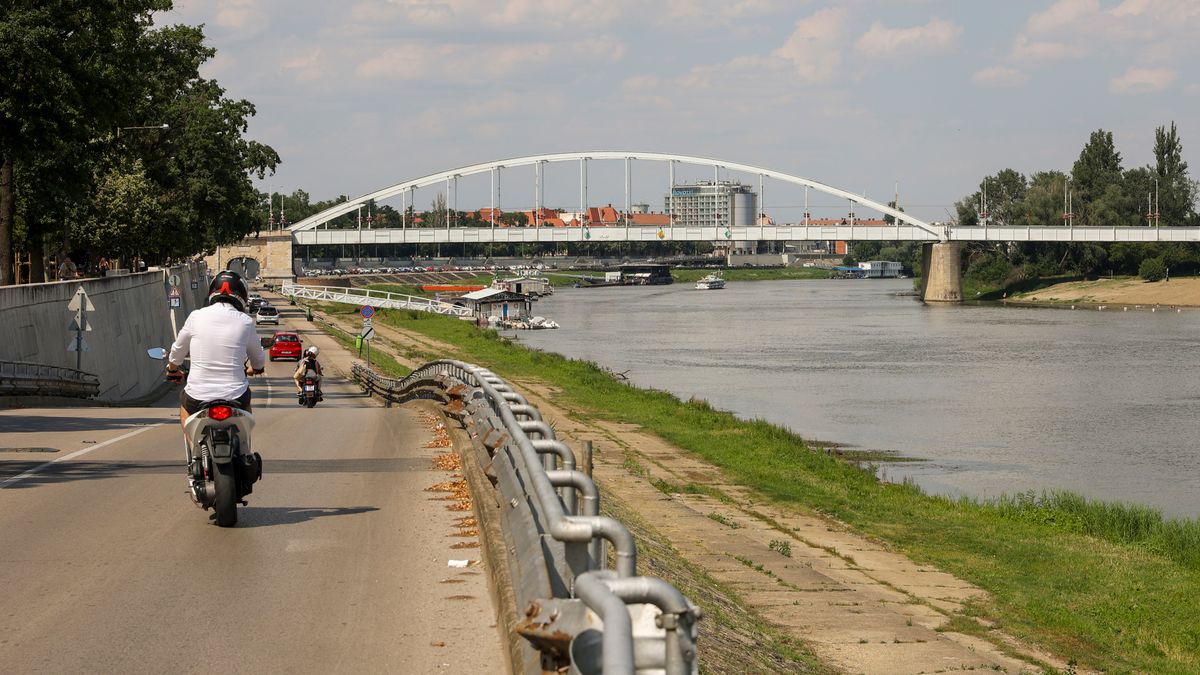
The author reflects on the profound personal and national significance of the Tisza River, a sentiment that deepened after leaving his hometown of Szeged. He emphasizes how formative experiences, like growing up by the river, shape one's identity, values, and sense of belonging. The river, he notes, is not just a geographical feature but a symbol of homeland, home, and loved ones.
He describes the Tisza's unique scent and its abundance of flowers, asserting Szeged's status as the river's capital. The author also highlights contemporary Hungarian figures associated with the river, including author Feri Temesi and philosopher Dezső Csejtei, whom he considers a longtime friend. This connection underscores the river's cultural and intellectual resonance.
The Tisza is the flagship of the uprising of words to be refilled, following Bálint György.
The piece pivots to a critique of the "Tisza Party" and its supporters, expressing a visceral negative reaction. The author questions the authenticity of the political messages conveyed under the party's name, suggesting a potential mismatch between the symbolic weight of the river and the party's actual substance. He invokes a "Bálint György reflex" as a possible explanation for this aversion.
Finally, the author references the historical context provided by Mór Jókai, who described the Tisza as a crucial defensive line against enemies. This historical perspective reinforces the river's deep-rooted importance in Hungarian national consciousness, contrasting it with what the author perceives as the superficial use of its name in contemporary politics.
It was their task not to let the enemy cross the Tisza. The holy Tisza, whose flow still formed a border between Hungarian and non-Hungarian.
DistantNews Editorial
Originally published by Magyar Nemzet in Hungarian. Translated, summarized, and contextualized by our editorial team with added local perspective. Read our editorial standards.
More Stories


From Our Blog

Countries Without a Free Press: What You Need to Know

What Press Freedom Means for the News You Read

What Gets Lost (and Found) When News Is Translated

The Critical Role of Diaspora Media in Global News

What Travellers Should Know About Countries with Restricted Press
