


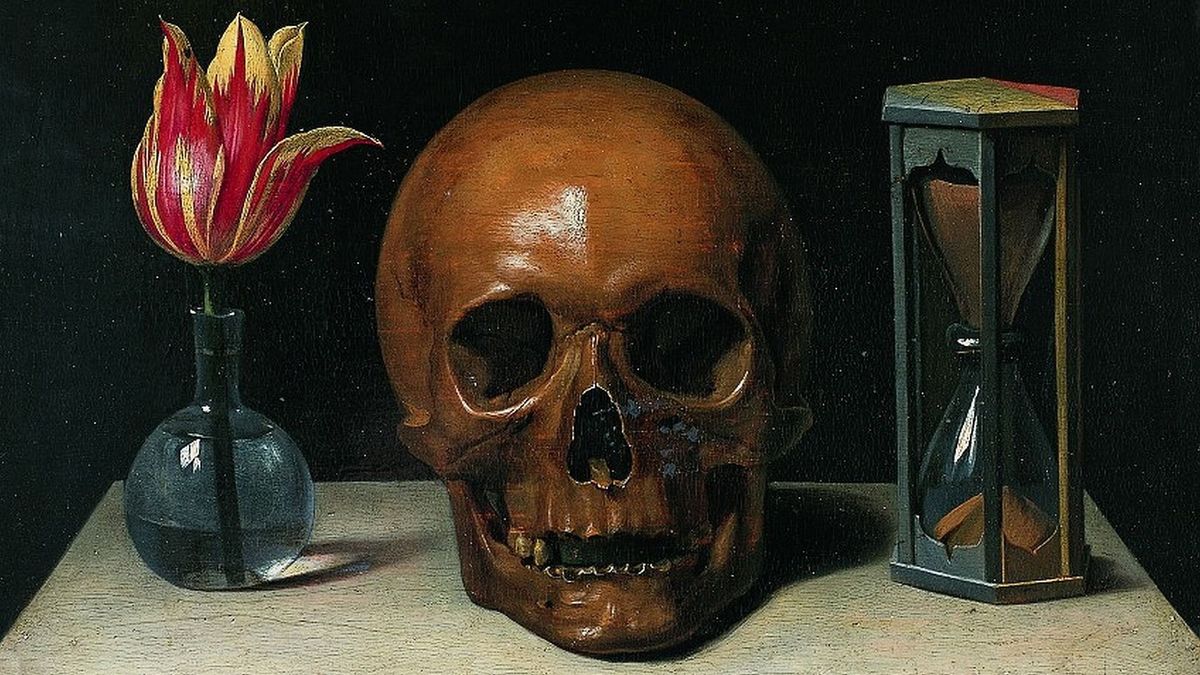
The Weight of History
Translated from Hungarian, summarized and contextualized by DistantNews.
At a glance
Analysis
Sources not specified
Context piece
- A writer argues that Eastern Europe, particularly Central Europe, represents the last bastion of tragic life-feeling in Europe, a concept tied to the 19th-century awakening of national consciousness.
- This tragic feeling, linked to a thirst for eternity and the weight of history, is contrasted with Western Europe's "harmlessness of existence" and the "weightlessness" of individuals freed from historical burdens.
- The article suggests that the loss of this tragic sensibility, as observed by thinkers like Kundera and Kertész, signifies a decline in cultural vitality, leading to a focus on individual existence over collective identity.
Eastern Europe, particularly Central Europe, stands as the final citadel of a "tragic life-feeling" within the European cultural consciousness, a concept deeply rooted in the 19th century's national awakening. This perspective, highlighted by an English publicist, emphasizes a profound connection to the tragic sense of life, which is intrinsically linked to a thirst for the eternal and the enduring weight of history. This feeling is not confined to nations but also resonates on an individual level, as explored by thinkers like Miguel de Unamuno in his work "The Tragic Sense of Life in Men and Nations."
tragic life-feeling
When a civilization loses its capacity for self-affirmation, the negative aspects of this tragic feeling can emerge, leading to what Oswald Spengler described as a "metaphysical death wish." In this state, individuals focus solely on their own existence, diminishing their sense of collective identity and cultural unity. Prophets of decline, such as Valéry and Spengler, have documented this phenomenon, noting the mortality of cultures and the potential for exhaustion. Francis Fukuyama also pointed to a flattening of world historical drama. However, the core of these analyses suggests that a culture loses its vitality when the tragic life-feeling fades within the "total being."
Tragic sense of Life in Men and Nations
Central European authors like Milan Kundera and Imre Kertész have also articulated the disappearance of this tragic life-feeling. Kundera's "The Unbearable Lightness of Being" contrasts the two halves of Europe, suggesting that the West, with its "cushioned history" and "harmlessness of existence," has stripped individuals of the sense that life holds significance beyond itself. In contrast, the East has not experienced this "airiness," and its people still bear the marks of historical calamities. Kertész, in his "Fatelessness," offers a key to interpretation: "What do I call fate? In any case, the possibility of tragedy." This is precisely what many find increasingly difficult to grasp, whether trapped in totalitarian minds or as weightless individuals liberated from historical pressures. The sense of mortality dissipates over time, losing its impetus. As Michel Houellebecq observes, this shift has drowned the tragic fear of death in a more general, languid fear of aging.
metaphysical death wish
DistantNews Editorial
Originally published by Magyar Nemzet in Hungarian. Translated, summarized, and contextualized by our editorial team with added local perspective. Read our editorial standards.
More Stories


From Our Blog

Countries Without a Free Press: What You Need to Know

What Press Freedom Means for the News You Read

What Gets Lost (and Found) When News Is Translated

The Critical Role of Diaspora Media in Global News

What Travellers Should Know About Countries with Restricted Press
