


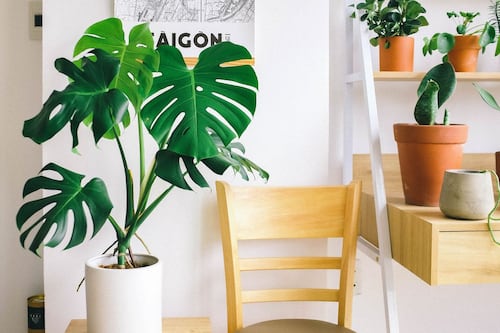
The Trick to Growing Larger Monstera Leaves; Discover the Plant Care Guide
Translated from Spanish, summarized and contextualized by DistantNews.
At a glance
In-depth
Named sources
Context piece
- The Monstera deliciosa, or "costilla de Adán," is popular for its large, naturally perforated leaves.
- Over time, leaves may become smaller or lose their characteristic openings, requiring specific care.
- Key factors for larger leaves include adequate indirect light, proper watering, fertilization during the growing season, humidity, and regular cleaning.
The Monstera deliciosa, commonly known as the "costilla de Adán" or Adam's rib, is a highly favored houseplant celebrated for its large, green leaves featuring natural perforations. These distinctive openings give the plant its common name and contribute to its scientific name, derived from the Latin word for "monstrous" or "abnormal" due to its unusually large foliage. However, many plant enthusiasts find that over time, their Monsteras produce smaller leaves or fail to develop the characteristic splits, necessitating specific care to maintain their aesthetic appeal.
The secret to encouraging larger, more robust leaves on a Monstera lies in providing optimal environmental conditions. Experts emphasize that insufficient light or space can lead to stunted growth and reduced leaf perforations. To promote healthier growth and larger leaves, a crucial tip is to provide a moss or coco coir pole for the plant to climb. As the Monstera grows vertically, its aerial roots can anchor into the support, allowing the plant to channel more energy into producing larger, more developed leaves.
To ensure your Monstera thrives, follow these care guidelines: Position the plant where it receives ample indirect sunlight, avoiding harsh direct sun which can scorch the leaves. Water only when the top inch or two of soil feels dry, ensuring the soil remains consistently moist but not waterlogged. During the spring and summer growing seasons, fertilize every four to six weeks with a balanced plant fertilizer, adhering to the product's instructions. Monsteras prefer moderate to high humidity; this can be achieved with a humidifier, grouping plants, or placing a water tray nearby. Finally, regularly wipe down the leaves with a soft, damp cloth to remove dust, which can hinder photosynthesis and reduce the plant's ability to absorb light effectively. It's also important to note that while popular as an indoor plant, Monstera is toxic to pets.
DistantNews Editorial
Originally published by El Universal in Spanish. Translated, summarized, and contextualized by our editorial team with added local perspective. Read our editorial standards.
More Stories



From Our Blog

What Press Freedom Means for the News You Read

What Gets Lost (and Found) When News Is Translated

The Critical Role of Diaspora Media in Global News

What Travellers Should Know About Countries with Restricted Press

A Digital Nomad's Guide to Following Local News
