



The unfinished independence
Summarized and contextualized by DistantNews.
At a glance
Analysis
Sources not specified
Context piece
- Pakistan's independence in 1947 is described as "unfinished" because the nation has yet to fundamentally change the nature of its governance.
- The article argues that colonial rule occupied not just land but also the imagination, fostering a mindset of subjects rather than citizens.
- Seventy-nine years after independence, the nation is urged to confront this legacy and complete the process of self-governance.
Pakistan's independence, celebrated annually, is characterized as "unfinished" because the fundamental nature of its governance remains largely unchanged since 1947. Poet and intellectual Faiz Ahmed Faiz's observation of the dawn of independence as "stained" and "night-bitten" reflects a persistent disillusionment.
yeh daagh daagh ujala, yeh shab-gazida sehar
The core issue, according to the article, lies in the enduring legacy of colonial rule. Beyond territorial control, British colonialism deeply ingrained a "habit of mind" among the populace. This fostered a perception of the people as subjects to be managed by rulers, rather than as citizens with inherent rights and a stake in the state's ownership.
did we win a country and quietly postpone its freedom?
Seventy-nine years on, the article posits that Pakistan has yet to complete the transformation from a formerly colonized territory to a truly self-governing nation. The challenge is not merely repealing laws but altering this deeply embedded colonial mindset. The "unfinished independence" calls for a conscious effort to redefine the relationship between the state and its citizens, moving from a supplicant dynamic to one of genuine ownership and service.
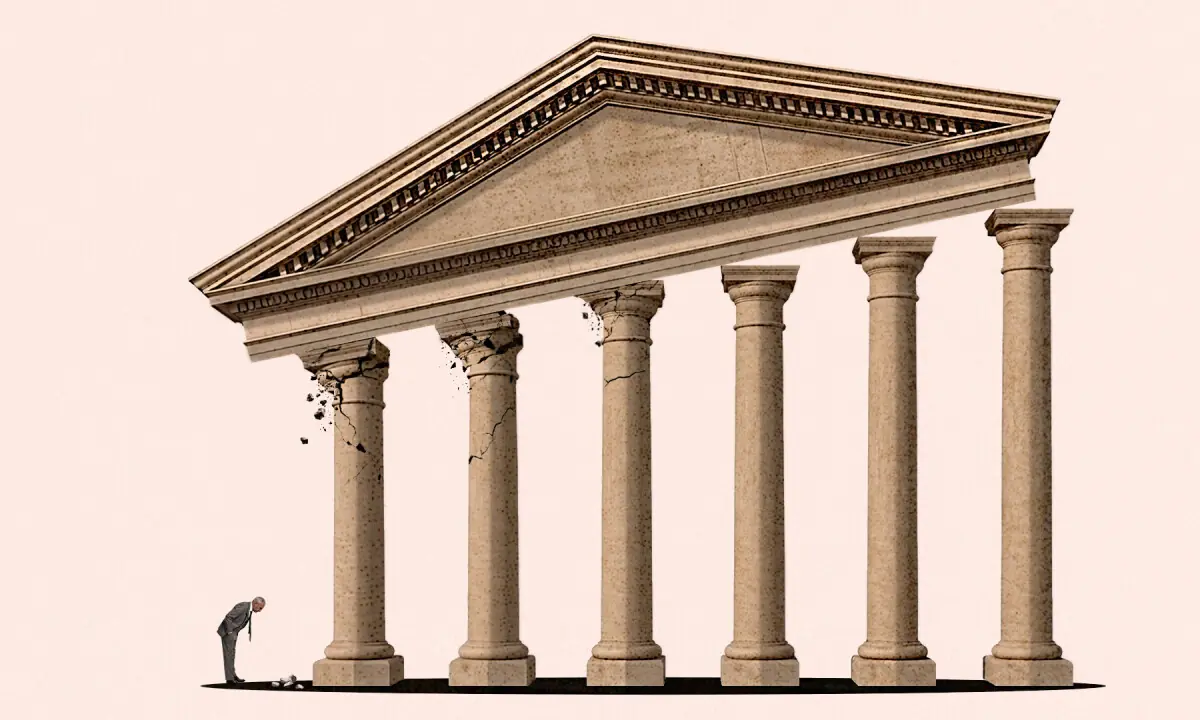
Colonial rule does not merely occupy a land; it occupies the imagination of those it governs, teaching them to see themselves through the ruler’s eyes, as subjects to be managed, not citizens to be served; supplicants at a counter, not owners of the state.
DistantNews Editorial
Originally published by Dawn. Summarized and contextualized by our editorial team with added local perspective. Read our editorial standards.
More Stories


From Our Blog

What Gets Lost (and Found) When News Is Translated

The Critical Role of Diaspora Media in Global News

What Travellers Should Know About Countries with Restricted Press

A Digital Nomad's Guide to Following Local News

How the Same Story Looks Different in Different Countries
