

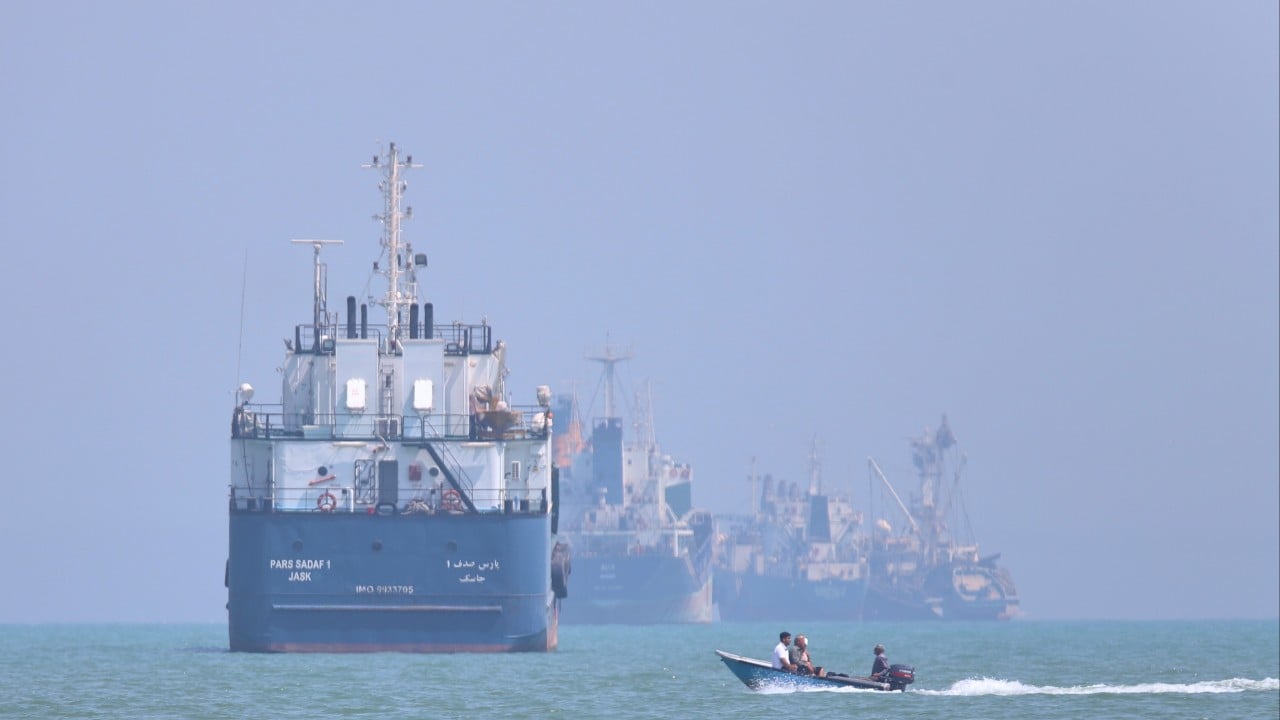

The US-Iran deal has bought time, but what remains to be achieved?
Summarized and contextualized by DistantNews.
At a glance
News
Sources not specified
New plan
- The US and Iran, with Pakistan as mediator, announced an agreement to end a conflict lasting over 100 days.
- The deal, described as a memorandum of understanding, is expected to pave the way for negotiations on contentious issues like Iran's nuclear program and sanctions.
- Both sides have expressed differing views on the deal's terms and potential future talks, with Iran setting preconditions and the US warning of renewed strikes.
The United States and Iran have reached a preliminary agreement aimed at ending a conflict that has spanned more than 100 days, with Pakistan mediating the talks. U.S. President Donald Trump announced the "Great Deal" on social media, stating it would bring "Peace and Security to the whole Region." Representatives from both nations confirmed they would sign a document in Switzerland on Friday, which Iran's Supreme National Security Council termed a "memorandum of understanding."
While not a final accord, the agreement is anticipated to open a path for negotiations on critical issues, including Iran's nuclear program and the sanctions imposed on the country. However, the path forward remains uncertain, with Tehran attaching preconditions to potential future discussions. President Trump has also issued warnings about the possibility of renewed military strikes, indicating that tensions could easily resurface.
This Great Deal will bring Peace and Security to the whole Region.
The full details of the preliminary peace deal have not yet been officially disclosed. Both the U.S. and Iran have presented their own interpretations of its contents. This agreement comes after a prolonged period of conflict, and its success will depend on the willingness of both parties to engage in good-faith negotiations and adhere to the agreed-upon terms.
memorandum of understanding
DistantNews Editorial
Originally published by South China Morning Post. Summarized and contextualized by our editorial team with added local perspective. Read our editorial standards.
More Stories
From Our Blog

Countries Without a Free Press: What You Need to Know

What Press Freedom Means for the News You Read

What Gets Lost (and Found) When News Is Translated

The Critical Role of Diaspora Media in Global News

What Travellers Should Know About Countries with Restricted Press
