

The World Cup's B-Side: Writers Caparrós and Villoro on Messi, Menotti, and the 2026 Tournament
Translated from Spanish, summarized and contextualized by DistantNews.
At a glance
In-depth
Named sources
Context piece
- Two prominent writers, Martín Caparrós and Juan Villoro, continue their public conversation about the World Cup, now focusing on the 2026 tournament hosted by the US, Mexico, and Canada.
- They discuss player performances, using Lionel Messi's inconsistent play and an anecdote from coach Menotti as examples, and analyze the
Writers Martín Caparrós and Juan Villoro have resumed their public correspondence, "Un mundial de ida y vuelta," this time dissecting the 2026 World Cup co-hosted by the United States, Mexico, and Canada. Their conversation, initially sparked by the 2022 Qatar World Cup, delves into the nuances of the tournament, moving beyond surface-level analysis to explore the "B-side" of teams and unexpected performances.
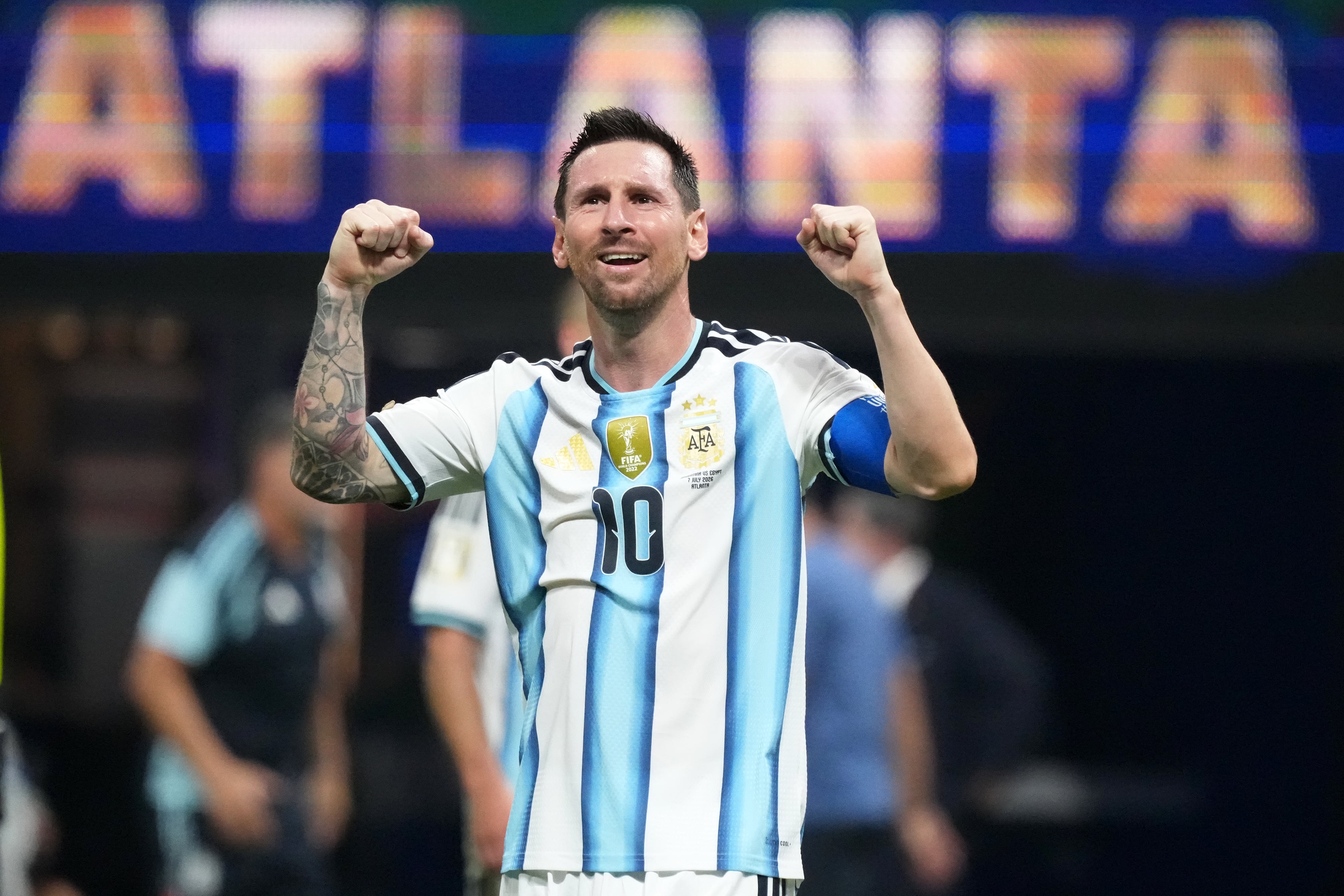
Caparrós, addressing Villoro, touches on Lionel Messi's often paradoxical play. He notes Messi's moments of struggle, including missed penalties and lost balls, yet acknowledges his ability to single-handedly change a game with a crucial assist or goal. This mirrors an anecdote about coach Menotti, who, when asked to run more as a player, retorted, "Besides playing, do I have to run?" The writers explore how players like Messi operate on a different plane, where their perceived inactivity can mask a deeper strategic engagement.
The discussion also touches on the phenomenon of the "hydration break" and its impact, but Villoro finds more interest in how teams evolve after the initial stages, particularly by the "fifth game." He uses the example of the United States faltering and Belgium unexpectedly showing strong quality. The commentary extends to broader geopolitical undertones, with a cynical remark about Donald Trump's supposed intervention and UEFA's influence, suggesting decisions are made in Washington. Egypt's performance against Argentina is also highlighted, with two disallowed goals noted for their historical significance, akin to ancient Egyptian hieroglyphs.
Villoro observes Argentina's tendency to create difficulties for themselves before ultimately winning, a pattern Caparrós has noted. He also critiques Messi's penalty-taking, citing past misses at Barcelona and in the current tournament, yet acknowledges the player's unquestioned authority to take them. The piece concludes with a reflection on how Argentine commentators imbue their coverage with fervent belief, even invoking Diego Maradona, making any critical note seem heretical. Villoro suggests that Messi's errors might serve as a peculiar form of therapy.
DistantNews Editorial
Originally published by El País in Spanish. Translated, summarized, and contextualized by our editorial team with added local perspective. Read our editorial standards.
More Stories


From Our Blog

What Gets Lost (and Found) When News Is Translated

The Critical Role of Diaspora Media in Global News

What Travellers Should Know About Countries with Restricted Press

A Digital Nomad's Guide to Following Local News

How the Same Story Looks Different in Different Countries
