

Thermal wristbands, early starts, and hydration: how Spain works through the heat
Translated from Spanish, summarized and contextualized by DistantNews.
At a glance
In-depth
Named sources
Context piece
- Spain is implementing measures like thermal wristbands, earlier work starts, and hydration breaks to protect outdoor workers from extreme heat.
- These adaptations are necessary due to increasingly frequent and intense heatwaves, following recent worker deaths linked to heat.
- Workers in Barcelona use thermal wristbands that alert them to rest, while those in Madrid start their day earlier and take frequent breaks to cope with temperatures exceeding 38°C.
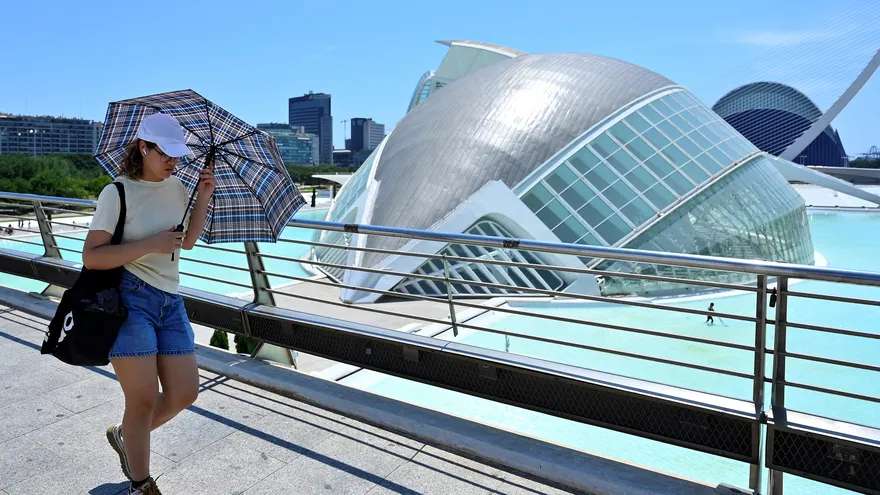
In Barcelona, Spain, outdoor workers are now equipped with thermal wristbands that emit an alert when their body temperature rises to dangerous levels, signaling a need for rest. This initiative is part of a broader strategy to protect workers from Spain's increasingly intense heatwaves, a response spurred by several recent deaths linked to extreme temperatures.
Antonio Reina, a 54-year-old gardener in Barcelona, described the wristband as an additional safety measure. "It's another safety element. As it's supposed to beep before you have symptoms, it allows you to leave the work area where you are, drink water, and go into the shade," he explained. The city distributed 1,400 of these devices this year. The protocol also includes adjusted summer work hours, mandatory hydration breaks, cooling caps, and a rule against working alone.
It's another safety element. As it's supposed to beep before you have symptoms, it allows you to leave the work area where you are, drink water, and go into the shade.
Madrid faces similar challenges, with temperatures often soaring above 38°C. Eli de Sousa's solar panel installation company starts its workday at 7 a.m. and mandates a complete stop by 1 p.m. because working later becomes "impossible." De Sousa also ensures a cooler with water is always available for constant hydration. If the heat becomes too extreme, they pause work and reschedule for another day.
Impossible to work.
Juan Carlos Rodríguez, who installs equipment on rooftops, also adheres to strict breaks for cooling down and rehydrating. "We who work at height, have to have the harness and all the equipment. So, of course, there comes a time when you need to come down, cool off, take off the harness," he said, taking a break in the shade of his van.
While Spain has had regulations since the 1990s limiting indoor workplace temperatures to 27°C, compliance is not always consistent, as evidenced by recent complaints about high temperatures in educational facilities. The extreme heat has tragically led to worker fatalities, such as a 60-year-old street cleaner in Madrid who died in July 2022.
We who work at height, have to have the harness and all the equipment. So, of course, there comes a time when you need to come down, cool off, take off the harness.
DistantNews Editorial
Originally published by TVN Panamá in Spanish. Translated, summarized, and contextualized by our editorial team with added local perspective. Read our editorial standards.
More Stories


From Our Blog

What Gets Lost (and Found) When News Is Translated

The Critical Role of Diaspora Media in Global News

What Travellers Should Know About Countries with Restricted Press

A Digital Nomad's Guide to Following Local News

How the Same Story Looks Different in Different Countries
