


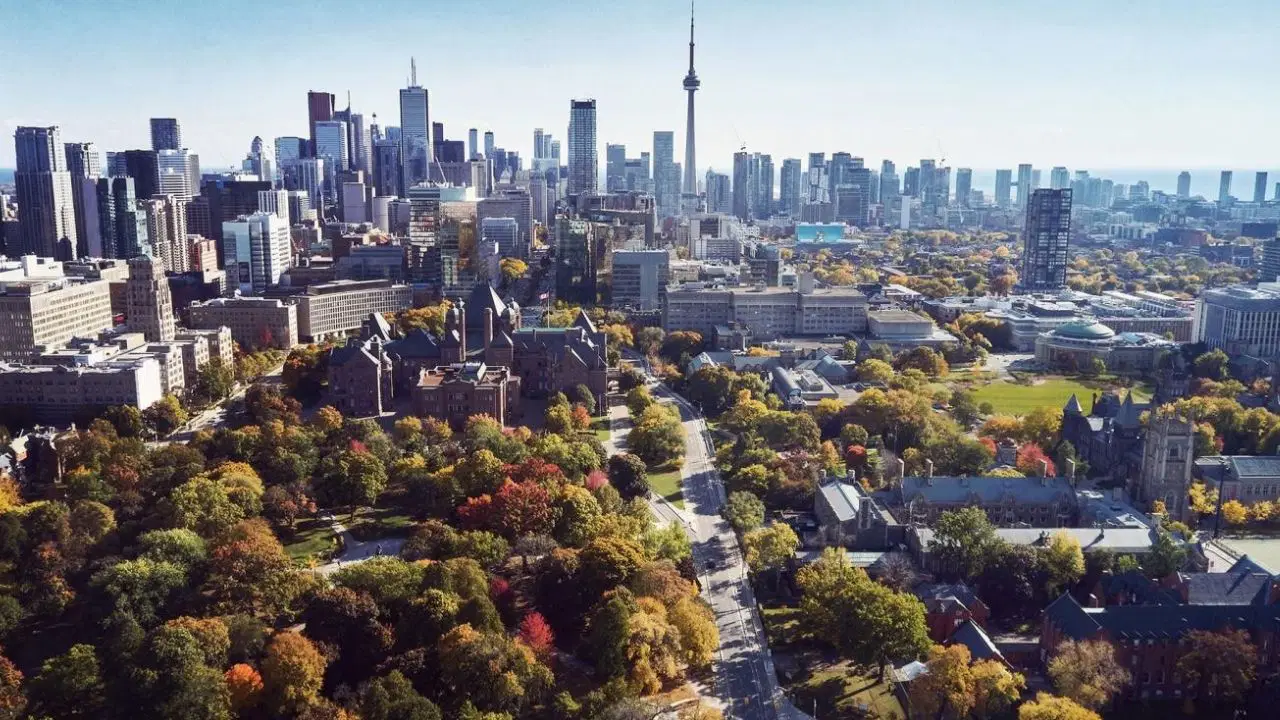
These trees cause global warming: Scientific warning on tree selection in cities against environmental crisis
Translated from Turkish, summarized and contextualized by DistantNews.
At a glance
News
Documents & data
Context piece
- A study published in Science Advances reveals that certain tree species in cities contribute to ozone pollution.
- Volatile organic compounds (VOCs) emitted by trees like willow and poplar react in the atmosphere to form harmful ozone gas, especially when combined with vehicle and industrial emissions.
- The research highlights the critical importance of selecting appropriate tree species in urban planning to mitigate air pollution and the urban heat island effect.
A joint study by China's Jinan University and international researchers has identified certain urban tree species as contributors to ground-level ozone pollution. Published in Science Advances, the research documents the indirect effects of urban vegetation on air quality.
Analyses conducted in 24 major metropolises, including Beijing, found that volatile organic compounds (VOCs) emitted by trees such as willow and poplar react in the atmosphere. These reactions, particularly when combined with nitrogen oxides (NOx) from vehicle and industrial sources under sunlight, trigger the formation of harmful ozone gas. Breathing this ozone can lead to inflammation in lung tissue, respiratory difficulties, and severe clinical conditions, especially for asthma sufferers.
The study revealed that a significant portion of urban trees emit "isoprene," a type of VOC. In Beijing, 35% of trees were found to emit isoprene, while in Sydney, Australia, this figure rose to 65%. The research also noted that rising temperatures exacerbate the problem, increasing stress on trees and accelerating chemical emissions. At 35°C, the rate of chemical reactions from plants was found to be seven times higher than at 20°C. Furthermore, the urban heat island effect, caused by buildings and concrete, increases these emissions by an additional 12%.
Atmospheric chemists involved in the study emphasized that these findings do not advocate for halting urban greening. Trees provide essential benefits like carbon storage, biodiversity support, and urban cooling. However, they stressed the vital need for landscape and municipal planners to select tree species with low isoprene emissions. Experts also underscored the necessity of reducing industrial and vehicle emissions and implementing scientifically informed species selection in urban areas to protect public health.
DistantNews Editorial
Originally published by Cumhuriyet in Turkish. Translated, summarized, and contextualized by our editorial team with added local perspective. Read our editorial standards.
More Stories


From Our Blog

What Gets Lost (and Found) When News Is Translated

The Critical Role of Diaspora Media in Global News

What Travellers Should Know About Countries with Restricted Press

A Digital Nomad's Guide to Following Local News

How the Same Story Looks Different in Different Countries
