


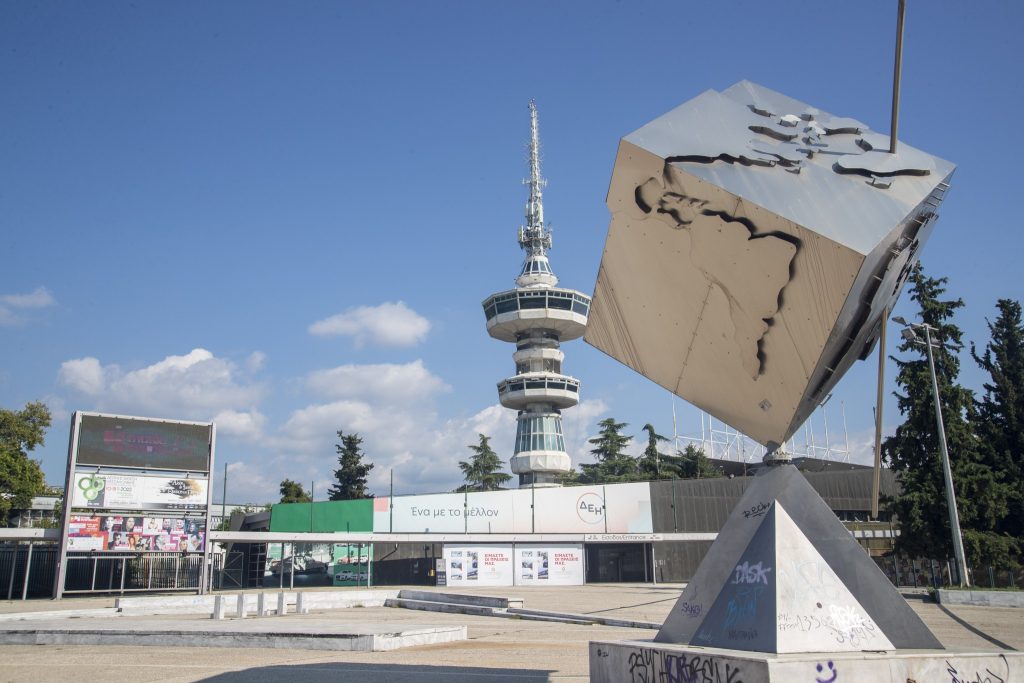
Thessaloniki Fair: A starting point or the end of the road for progressive governance?
Translated from Greek and summarized by DistantNews. Read the original for the full story.
At a glance
Analysis
Sources not specified
Context piece
- As the Thessaloniki International Fair (TIF) approaches, Greece faces a political dilemma regarding its economic future.
- The government is set to present its economic proposals, with the TIF potentially serving as a platform for either further announcements or a substantive debate on the country's development path.
- The article critiques the risk of populist promises, emphasizing the need for inclusive growth, access to finance, and effective public services.
The upcoming Thessaloniki International Fair (TIF) presents a critical juncture for Greece's political and economic direction. The government is preparing to unveil its strategy for the nation's economy and production model through 2030, raising a key question: will the TIF be a mere showcase of benefits and announcements, or will it ignite a meaningful debate about the future of Greece and its development plan for the next four years?
The author expresses concern over the potential for populist promises, warning that true development extends beyond positive economic indicators. It must translate into tangible benefits for society, creating opportunities and fostering broader citizen participation. A genuine development plan requires accessible financing for businesses, solutions to demographic decline, protection of public goods like healthcare and education, and an efficient, accessible state apparatus.
Currently, the reality falls short of these needs. Unequal access to funding, job insecurity, and limited professional prospects for young graduates persist. The article also points to the underutilization of regional strengths, arguing that development cannot solely rely on subsidies. Stable frameworks and incentives are crucial for local communities to leverage their human capital, products, and knowledge. Connecting production with innovation, vertical integration, certification, and origin labeling is key to adding value and boosting competitiveness.
Therefore, the government's "National Development Program" must be judged by its social impact. The critical question is who benefits from this development and who is excluded. This critique extends beyond the Prime Minister to the policy choices of the New Democracy party and its proposed development model. Greece requires a different production model, regional restructuring, social cohesion, demographic revitalization, and better jobs, supported by a state that plans, implements, and is accountable.
The article concludes by stressing that nominal wage increases are insufficient if inflation outpaces them. Real prosperity depends on purchasing power and job security. The broader political challenge is to ensure that development benefits are not concentrated among a few. Political discourse must move beyond narrow party interests to address these fundamental issues, making the TIF a launchpad for alternative programs rather than a mere menu of isolated announcements.
About this summary
Originally published by Ta Nea in Greek. Translated, summarized, and contextualized automatically by DistantNews, with a note on how the source frames the story. Not individually reviewed before publishing. How this works.
More Stories



From Our Blog

What Gets Lost (and Found) When News Is Translated

The Critical Role of Diaspora Media in Global News

What Travellers Should Know About Countries with Restricted Press

A Digital Nomad's Guide to Following Local News

How the Same Story Looks Different in Different Countries
