

Thessaloniki toxic cloud: No safe exposure limit, experts warn
Translated from Greek, summarized and contextualized by DistantNews.
At a glance
News
Named sources
Context piece
- A toxic cloud resulting from a large fire in Oreokastro, Thessaloniki, poses significant health risks due to a mixture of particles, ash, and toxic gases, including plastics.
- Experts warn there is no safe exposure limit for these carcinogenic compounds, which can remain in the body for years and cause long-term health effects.
- Residents are advised to stay indoors with windows closed, use air purifiers, and wear high-protection masks if they must go outside, with caution urged during cleanup due to lingering toxicity.
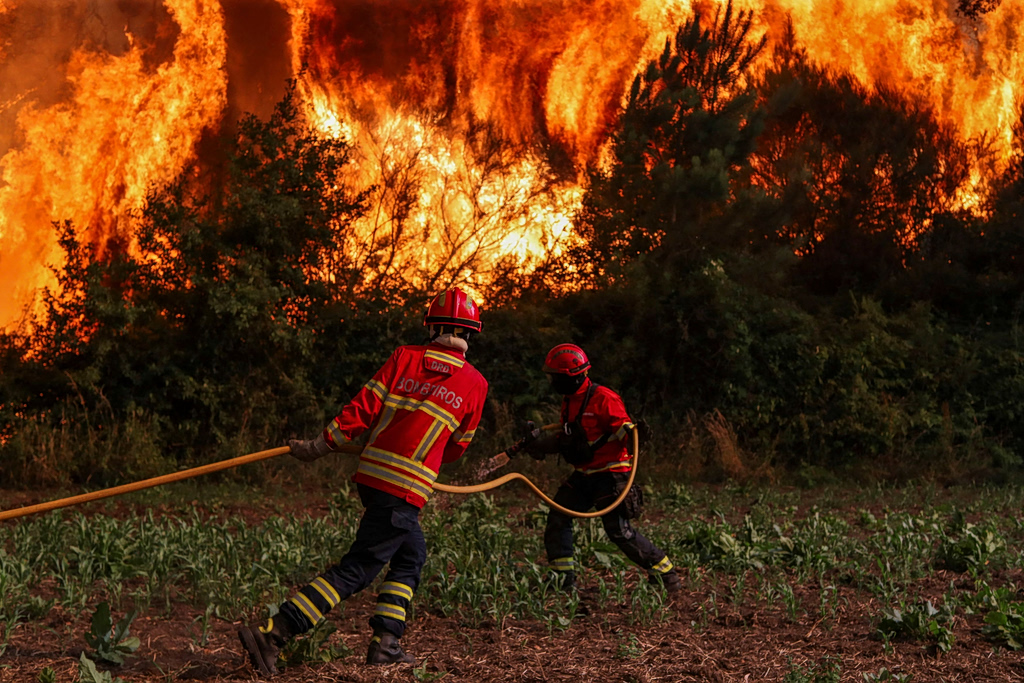
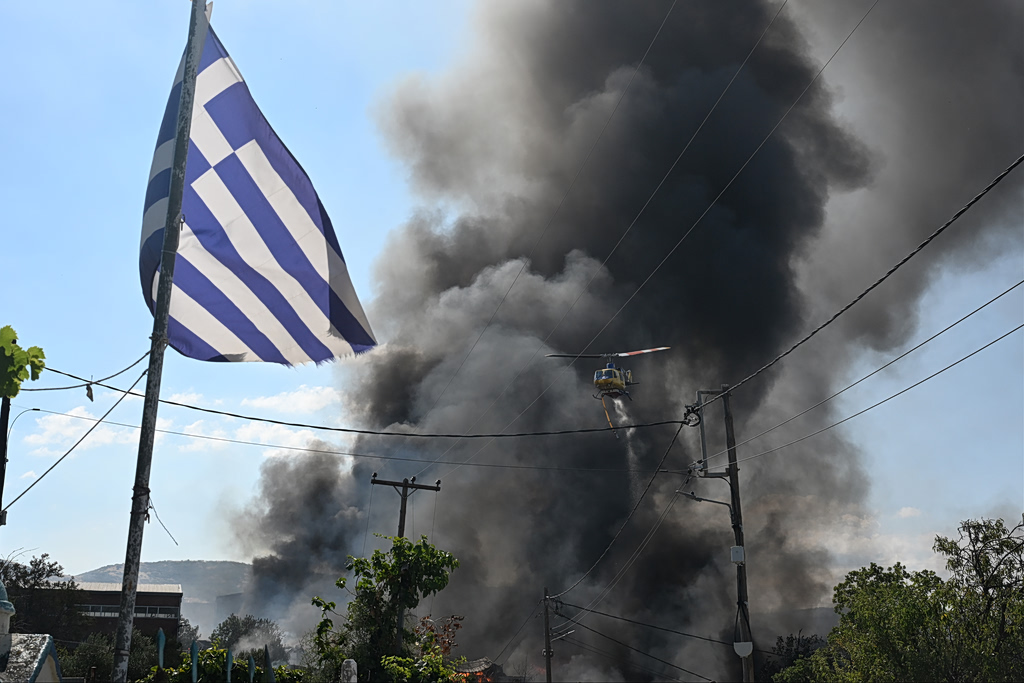
A toxic cloud has formed over Thessaloniki following a large fire in Oreokastro, creating a hazardous atmosphere detrimental to public health, according to Dimosthenis Sarigiannis, President of the National Research Foundation and Professor of Environmental Engineering at AUTH.
Sarigiannis explained that the cloud is a mixture of particles, ash, and heavy toxic gases, including polycyclic aromatic hydrocarbons, dioxins, and furans, resulting from the burning of plastics. These toxic compounds have a significant residence time in the human body, with some taking up to 16.5 years to halve their concentration. "Because they are carcinogenic compounds, this gives them a very long time to act toxically for carcinogenesis," he noted, emphasizing that "there is no safe limit" for exposure and the goal should be complete avoidance.
It is a mixture of particles, ash, and heavy toxic gases, which either remain in gaseous form or are adsorbed onto the particles suspended in the atmosphere.
Beyond long-term effects like cancer, Sarigiannis warned of immediate symptoms such as eye and throat irritation and the exacerbation of respiratory illnesses. To protect themselves, residents are strongly advised to remain indoors with doors and windows shut. Air conditioning units should be set to recirculation mode, avoiding intake of outside air. If air conditioning is unavailable, using a fan is recommended over an AC unit that draws in external air. For necessary outdoor excursions, wearing a high-protection mask, such as an FFP2 or KN95, is essential.
Because they are carcinogenic compounds, this gives them a very long time to act toxically for carcinogenesis. There is no safe limit.
While rain might help disperse particles from the atmosphere, Sarigiannis cautioned that it transfers the toxicity to the ground. He stressed the need for extreme care during cleanup of courtyards, balconies, and outdoor areas affected by ash. Cleaning should be done with gloves, a high-protection mask, and low-pressure water. High-pressure water can create droplets, re-aerosolizing particles and increasing inhalation risk. Thorough washing of fruits and vegetables from the area is advised, and any food visibly contaminated with ash should not be consumed.
"The main goal is to reduce exposure to zero, not to a minimum," Sarigiannis concluded, reiterating that the mixture poses a known toxicity risk requiring residents' utmost attention.
The main goal is to reduce exposure to zero, not to a minimum.
DistantNews Editorial
Originally published by Ta Nea in Greek. Translated, summarized, and contextualized by our editorial team with added local perspective. Read our editorial standards.
More Stories

From Our Blog

What Gets Lost (and Found) When News Is Translated

The Critical Role of Diaspora Media in Global News

What Travellers Should Know About Countries with Restricted Press

A Digital Nomad's Guide to Following Local News

How the Same Story Looks Different in Different Countries
