

Third Election in 16 Months: Will Kosovo Sink Deeper into Crisis on Sunday?
Translated from German, summarized and contextualized by DistantNews.
At a glance
News
Named sources
Context piece
- Kosovo is holding its third parliamentary election in 16 months on Sunday, with Prime Minister Albin Kurti's Vetevendosje party expected to remain the largest force.
- Kurti faces challenges in forming a government and electing a president due to a lack of consensus with opposition parties and his unwillingness to share power.
- Despite campaign promises, Kurti's party may see reduced support compared to the last election, potentially hindering his ability to secure the necessary two-thirds majority for presidential elections.
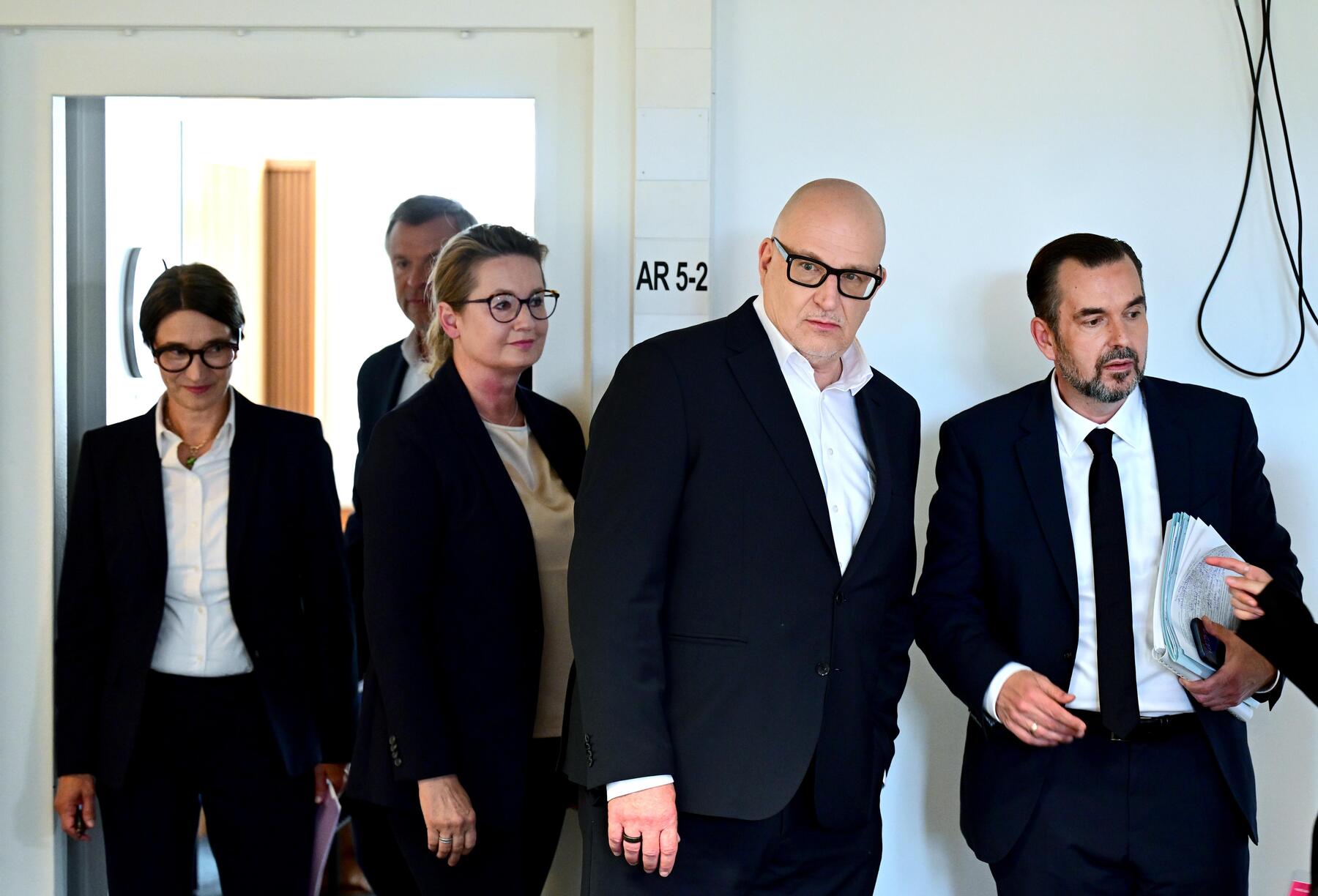
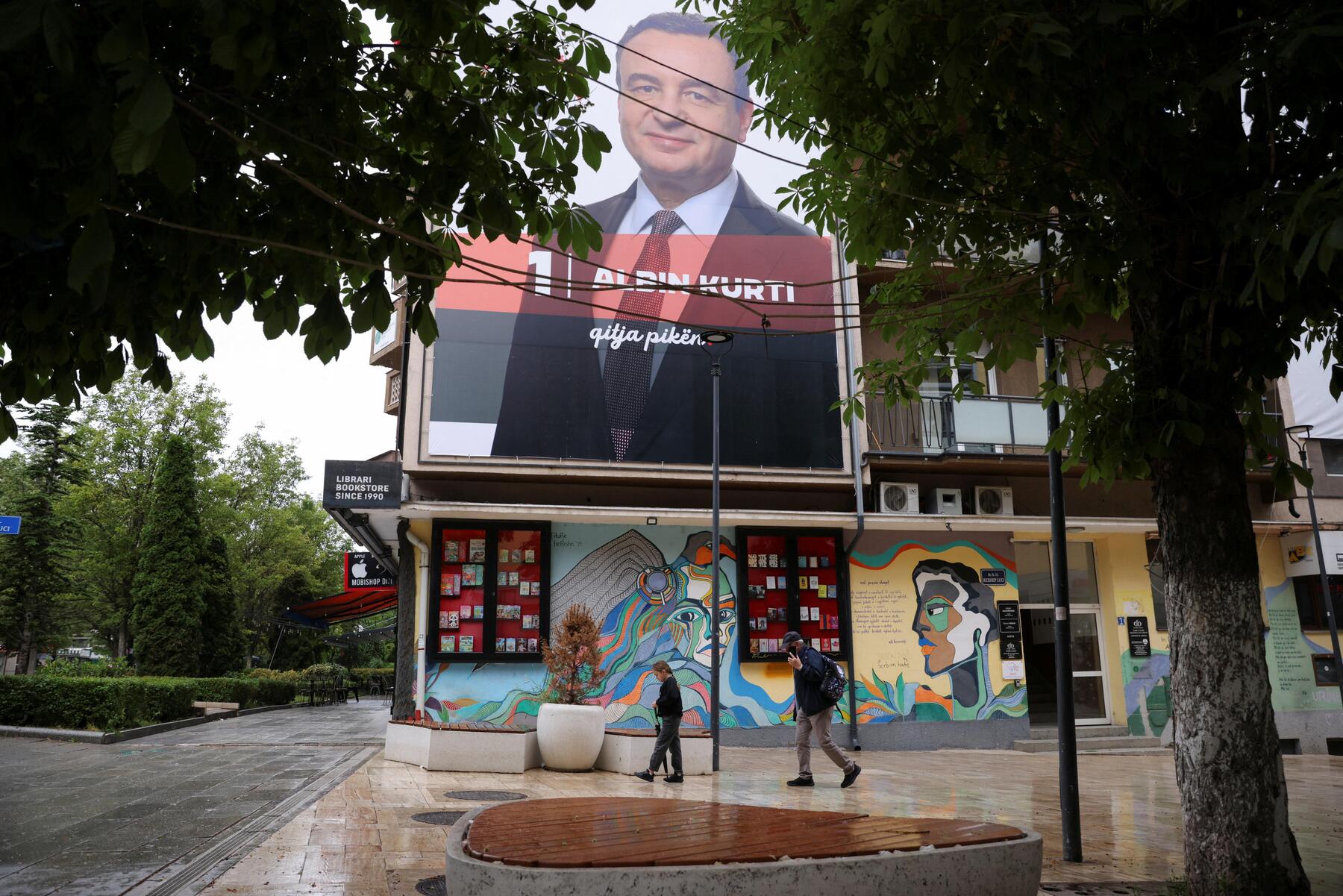
Kosovo is heading to the polls for its third parliamentary election in just 16 months on Sunday, a vote that could deepen the nation's ongoing political crisis. Prime Minister Albin Kurti's left-wing populist Vetevendosje (VV) party is widely expected to emerge as the strongest political force once again, though a clear path out of the persistent instability appears elusive.
Kurti has been actively campaigning, promising benefits like a 100 euro "inflation aid" for pensioners, students, children, and private sector employees, along with a commitment to legally regulate a 13th-month salary in 2026. However, these electoral promises come amidst a backdrop of deep political division. The core issue remains Kurti's perceived unwillingness or inability to forge consensus with opposition parties and share power, a critical hurdle for effective governance and presidential elections that require a two-thirds majority.
His or not his being
In the previous snap election held shortly after Christmas, VV secured a landslide victory with over 51% of the vote, largely boosted by the diaspora returning home for the holidays. Yet, Kurti subsequently faltered in his attempt to have a new head of state elected by parliament, a move that cost him the full fruits of his electoral triumph. This failure highlights the complex dynamics of Kosovo's political landscape, where parliamentary strength does not automatically translate into the ability to elect key state officials.
While reliable opinion polls are scarce, analysts suggest that Kurti's VV might face diminished support compared to the last election. His reliance on the diaspora vote, which may not be as substantial this time, could impact his party's overall performance. Even if VV forms a government swiftly, Kurti will likely confront the same challenge: the necessity of opposition cooperation to elect a president. Furthermore, potential coalition partners like the centrist LDK are led by Vjosa Osmani, the former president whom Kurti surprisingly ousted after five years of loyalty, creating significant animosity and complicating any potential alliance.
The path of Kurti and his VV leads Kosovo only to new elections every three months.
DistantNews Editorial
Originally published by Die Presse in German. Translated, summarized, and contextualized by our editorial team with added local perspective. Read our editorial standards.
More Stories


From Our Blog

What Gets Lost (and Found) When News Is Translated

The Critical Role of Diaspora Media in Global News

What Travellers Should Know About Countries with Restricted Press

A Digital Nomad's Guide to Following Local News

How the Same Story Looks Different in Different Countries
