

Third Term Debate in DRC and Mauritania: Will Tshisekedi and Ghazouani Cross the Line?
Translated from French, summarized and contextualized by DistantNews.
At a glance
Analysis
Sources not specified
Context piece
- The Democratic Republic of Congo (DRC) and Mauritania are facing political discussions around potential third presidential terms.
- In the DRC, President Félix Tshisekedi's government has advanced a law that could allow for a referendum on a third term, sparking opposition protests.
- The article questions whether Tshisekedi and Mauritania's President Mohamed Ould Ghazouani will pursue third terms, noting they appear to be testing public opinion.
The political landscapes of the Democratic Republic of Congo (DRC) and Mauritania, though geographically distant, are converging around a contentious issue: the possibility of a third presidential term. In both nations, which have experienced political alternation in the past decade, the question of extending presidential mandates is increasingly dividing the public and fueling tensions.
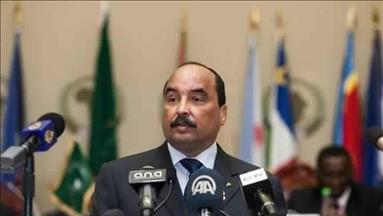
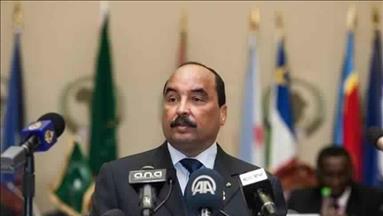
the presidents Félix Tshisekedi and Mohamed Ould Ghazouani will take the step?
The central question facing observers is whether Presidents Félix Tshisekedi of the DRC and Mohamed Ould Ghazouani of Mauritania will indeed seek to extend their time in office. While definitive answers remain elusive, both leaders seem to be employing a strategy of gauging public opinion through statements made by loyal allies, suggesting a cautious approach to a potentially unpopular move.
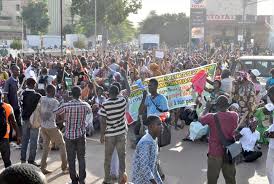
In the DRC, the debate over a potential third term for President Tshisekedi has intensified over the past two years. The situation escalated when the National Assembly adopted a draft law that would empower the head of state to organize a referendum on a third mandate. This move has significantly heightened political and social tensions, with the opposition and civil society vehemently opposing any such attempt. Protests, including a reportedly successful "ville morte" (dead city) day, have been organized, and opposition platforms like the C64 have called for demonstrations, leading to clashes with security forces and arrests.
the two personalities give the impression of advancing masked, using, as is known, the well-known recipe of sounding out public opinion through the statements of loyal lieutenants.
Despite the significant opposition and unrest, President Tshisekedi appears resolute, seemingly prepared to push forward to secure an extended term. This stance draws a parallel to his own past opposition to his predecessor, Joseph Kabila, who sought to extend his mandate. The article notes the irony of Tshisekedi potentially repeating the same actions he once fought against, while expecting different outcomes.
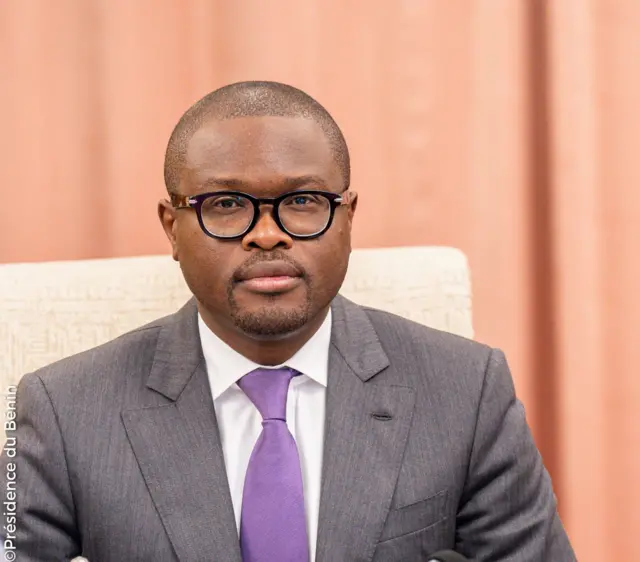
President Félix Tshisékedi remains firm in his stance.
The situation in Mauritania, while less detailed in this specific text, is presented as parallel to the DRC's. The article implies that similar discussions and political maneuvering regarding a third term are likely occurring or being contemplated by President Ghazouani, making the comparison between the two leaders and their countries' political trajectories a key focus.
the struggle had paid off since, cornered from all sides, Kabila had no choice but to bow his head by choosing a successor who, in the end, was soundly beaten because he was no match.
DistantNews Editorial
Originally published by Le Pays in French. Translated, summarized, and contextualized by our editorial team with added local perspective. Read our editorial standards.
More Stories
From Our Blog

What Gets Lost (and Found) When News Is Translated

The Critical Role of Diaspora Media in Global News

What Travellers Should Know About Countries with Restricted Press

A Digital Nomad's Guide to Following Local News

How the Same Story Looks Different in Different Countries
