


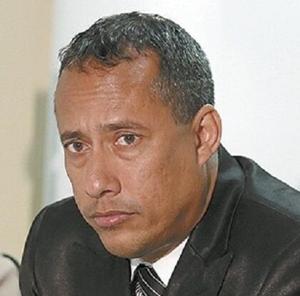
'This is 1970s policing'—Griffith on Government plan
Summarized and contextualized by DistantNews.
At a glance
News
Named sources
New plan
- Former Police Commissioner Gary Griffith criticized the government's plan to establish 30 new police posts in Trinidad and Tobago.
- Griffith described the proposal as an outdated, 1970s approach that would not effectively reduce crime or improve response times.
- He advocated for investment in a modern, intelligence-led, technology-driven emergency response system instead.
Former Police Commissioner Gary Griffith has strongly criticized the Trinidad and Tobago government's proposal to establish 30 new joint army-police posts, labeling it an outdated strategy that fails to address modern crime.
The Prime Minister’s announcement of 30 police posts is not a modern crime-fighting strategy. It is an outdated, cosmetic measure that may create the appearance of action but will do little to deter criminals, reduce crime or improve the police response to citizens in distress.
Griffith stated that the plan reflects a "1970s approach to policing" rather than the intelligence-led and technology-driven model necessary for current criminal activity. He argued that increasing the number of static police posts creates only an "appearance of action" and will do little to deter criminals, reduce crime, or improve police response to citizens in distress. He suggested the proposal indicates a lack of operational policing experience among government advisors.
Highlighting the ineffectiveness of police buildings alone, Griffith noted that serious crimes have occurred near well-staffed police stations. He contended that assigning more officers to fixed posts would reduce the number available for crucial mobile patrols, emergency response, and high-visibility policing. "Criminals will simply operate beyond the limited reach of these posts, knowing that the officers inside cannot respond quickly enough," he warned.
The more officers assigned to static locations, the fewer officers are available for mobile patrols, high-visibility operations and immediate responses to emergency calls. Criminals will simply operate beyond the limited reach of these posts, knowing that the officers inside cannot respond quickly enough.
Griffith drew a comparison with the New York City Police Department, which serves over eight million people with fewer stations than Trinidad and Tobago's approximately 1.4 million population. Instead of more posts, he called for increased investment in a modern emergency response system centered on the 999 service. This system should feature GPS-monitored vehicles linked to a command center capable of dispatching the nearest unit immediately, ensuring citizens are never placed on hold or told no one is available when calling for help.
Citizens calling 999 should never be placed on hold, told that nothing is available or forced to telephone individual police stations in search of assistance.
DistantNews Editorial
Originally published by Trinidad Express. Summarized and contextualized by our editorial team with added local perspective. Read our editorial standards.
More Stories



From Our Blog

What Gets Lost (and Found) When News Is Translated

The Critical Role of Diaspora Media in Global News

What Travellers Should Know About Countries with Restricted Press

A Digital Nomad's Guide to Following Local News

How the Same Story Looks Different in Different Countries
