


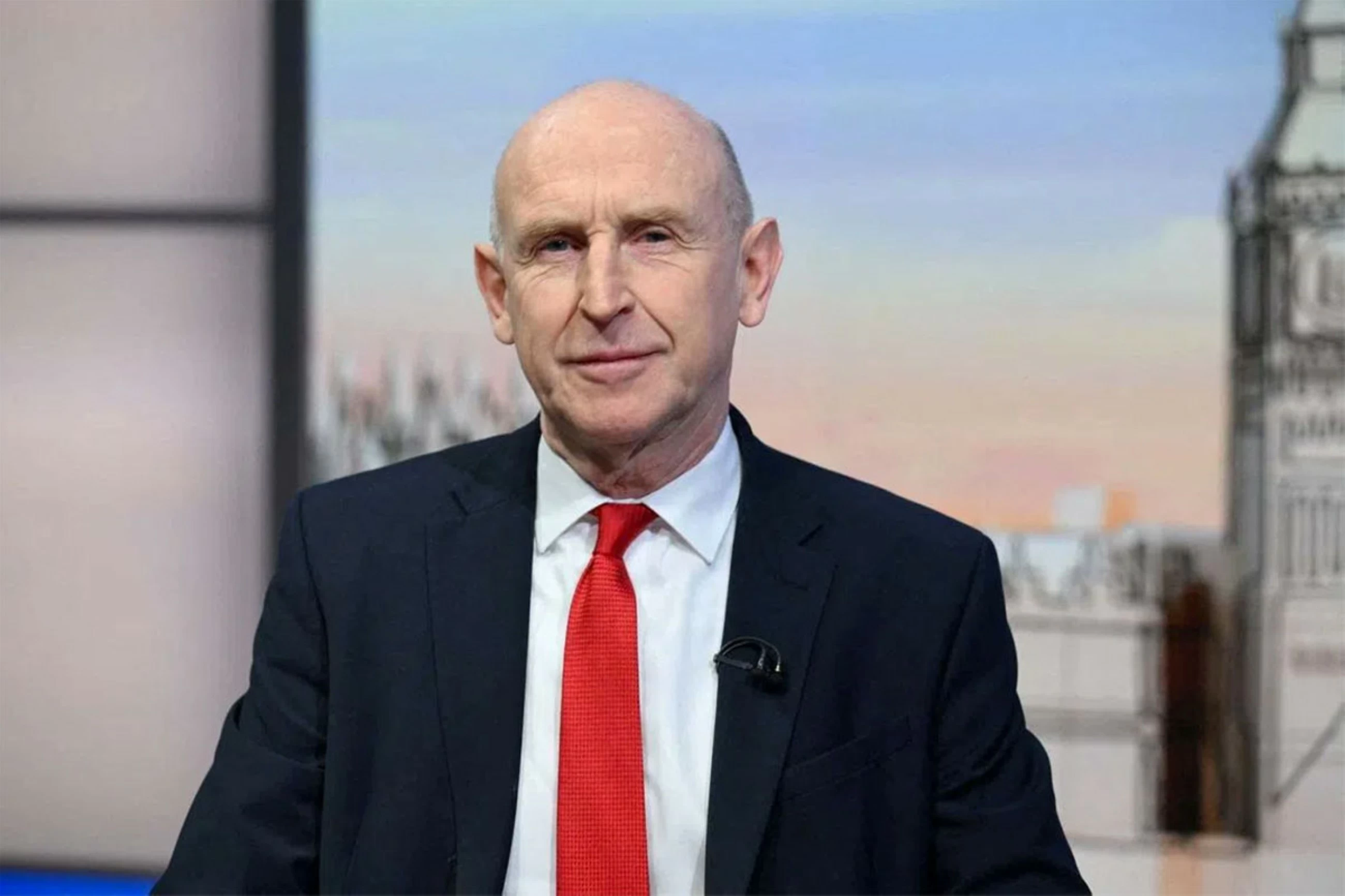
This is John Healey’s finest hour
Summarized and contextualized by DistantNews.
At a glance
Analysis
Named sources
Outcome reported
- John Healey's resignation highlights internal divisions within the Labour party regarding defense spending targets.
- Some colleagues secretly believe the 3% of national income defense spending target, set by Keir Starmer, is unrealistic.
- The article contrasts Healey's stance with Chancellor Rachel Reeves's approach, who favored a slightly lower target to manage budget constraints.
John Healey's resignation has brought to light significant internal disagreements within the Labour party concerning defense spending. The core issue revolves around the target of allocating 3% of national income to defense, a goal previously set by party leader Sir Keir Starmer.
Healey's departure underscores a sentiment held by many former colleagues: that meeting this ambitious target by the end of the decade is impractical, especially when faced with the need for cuts in other departmental budgets. This perspective suggests a quiet skepticism about the feasibility of the 3% commitment.
In contrast, Chancellor Rachel Reeves has navigated these financial pressures by suggesting that a figure close to 3%, such as 2.68%, could be an acceptable compromise. This approach prioritizes fiscal management over rigidly adhering to the initial target, indicating a divergence in strategy within the party's economic leadership.
The article also touches upon the external pressures influencing this debate, referencing the potential reduction in the United States' defense contribution to Europe and the ongoing geopolitical landscape, which some argue justifies increased defense spending.
DistantNews Editorial
Originally published by Gulf Today. Summarized and contextualized by our editorial team with added local perspective. Read our editorial standards.
More Stories


From Our Blog

What Gets Lost (and Found) When News Is Translated

The Critical Role of Diaspora Media in Global News

What Travellers Should Know About Countries with Restricted Press

A Digital Nomad's Guide to Following Local News

How the Same Story Looks Different in Different Countries
