


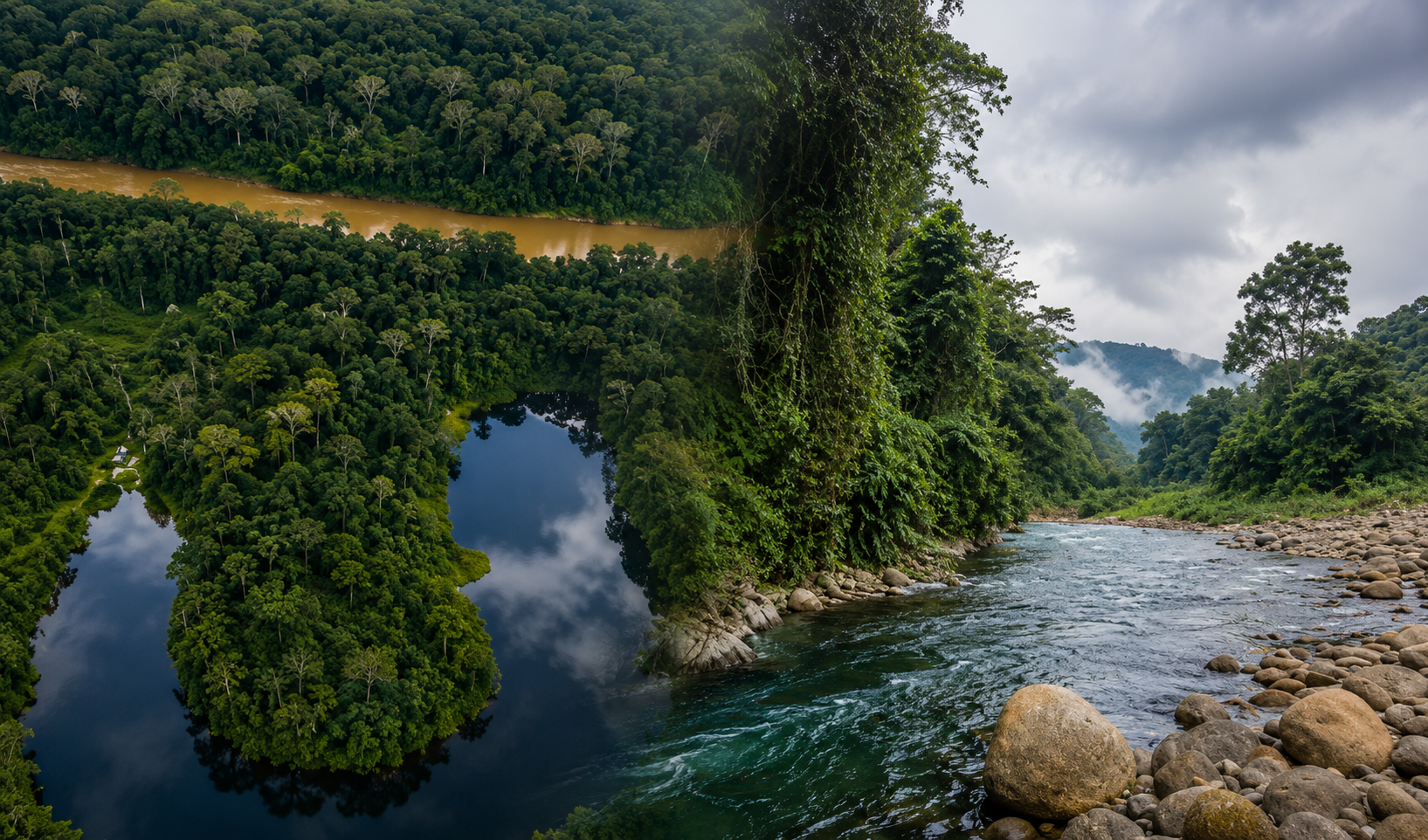
This National Park Protects Over 600 Bird Species and a Unique Peruvian Ecosystem
Translated from Spanish, summarized and contextualized by DistantNews.
At a glance
News
Sources not specified
New plan
- The Bahuaja Sonene National Park in Peru is celebrating its 30th anniversary on July 17.
- It is a unique protected area in Peru, home to the country's only humid tropical savanna and over 600 bird species.
- The park, located between Madre de Dios and Puno, also holds ancestral significance for the Ese’eja people.
Peru's Bahuaja Sonene National Park is set to commemorate its 30th anniversary as a protected state area on July 17, solidifying its status as one of the nation's most ecologically valuable spaces. Situated between the regions of Madre de Dios and Puno, this territory uniquely safeguards Peru's sole humid tropical savanna. This distinctive ecosystem, known as the Pampas del Heath, harbors endemic species such as the marsh deer and the maned wolf, which are found nowhere else in the country.
The park, established on July 17, 1996, spans over 537,000 hectares across the Tambopata, Carabaya, and Sandia provinces. It encompasses diverse Amazonian ecosystems and is also the ancestral land of the Ese’eja people, whose historical connection to the area is maintained. The park's boundaries extend to Bolivia's Madidi National Park, creating a vital transboundary conservation corridor.
Bahuaja Sonene boasts remarkable biodiversity, including over 600 bird species like seven varieties of macaws, the roseate spoonbill, harpy eagle, and jungle condor. The park is also home to more than 180 mammal species, such as jaguars, giant otters, giant anteaters, giant armadillos, and black spider monkeys. Additionally, it supports over 50 reptile and amphibian species, 180 fish species, and approximately 1,200 butterfly species. The flora is equally rich, featuring economically and ecologically significant plants like aguaje, rubber, shihuahuaco, and mahogany.
For visitors, the park offers adventure tourism on the Tambopata River from June to September, along with excursions to the Heath clay lick. Here, tourists can observe macaws, parrots, and other wildlife in their natural habitat. The park's diverse environments, from flooded plains that transform with seasonal rains to palm swamps forming natural islands, contribute to its ecological significance.
DistantNews Editorial
Originally published by La República in Spanish. Translated, summarized, and contextualized by our editorial team with added local perspective. Read our editorial standards.
More Stories


From Our Blog

What Gets Lost (and Found) When News Is Translated

The Critical Role of Diaspora Media in Global News

What Travellers Should Know About Countries with Restricted Press

A Digital Nomad's Guide to Following Local News

How the Same Story Looks Different in Different Countries
