


Three Indonesian Universities Strengthen HIV Prevention for Teenagers on Hiri Island, Ternate
Translated from Indonesian, summarized and contextualized by DistantNews.
At a glance
News
Official statement
Context piece
- Three Indonesian universities are collaborating to strengthen HIV prevention efforts among teenagers in Ternate, North Maluku.
- The initiative, called Program KITA SEBAYA, utilizes peer educators and a digital learning website to improve health literacy and promote safe behaviors.
- This program aims to contribute to the national target of eliminating AIDS by 2030 and expand health education access in remote and disadvantaged areas.
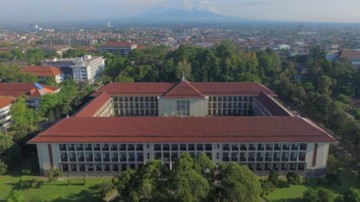
Universitas Hasanuddin (Unhas), Universitas Sriwijaya (Unsri), and Universitas Diponegoro (Undip) have joined forces to bolster HIV prevention programs targeting adolescents in Ternate, North Maluku. This collaborative effort is part of the Indonesia Collaboration Community Service (PMKI) initiative, involving 24 state universities with legal entities.
The program, named KITA SEBAYA, which stands for Innovative Collaboration, Transformation, and Peer Action for HIV Prevention, seeks to empower young people through a peer educator approach. This method is complemented by a digital education website designed to enhance learning and monitor participant progress. The program aims to contribute to the national goal of eliminating AIDS by 2030 and broaden access to health education for youth in remote and underdeveloped regions.
The implementation of this program is part of the universities' contribution to supporting the target of eliminating AIDS by 2030 and expanding access to health education for adolescents in island areas and 3T regions (Outermost, Disadvantaged, and Frontier).
An interactive peer educator training session was conducted for 15 students, employing role-playing scenarios to help them develop communication skills and make healthy decisions. Participants learned to navigate peer pressure and disseminate accurate information about HIV without stigma or discrimination. The KITA SEBAYA website serves as a formative evaluation tool, tracking participants' understanding throughout the program.
Following the initial training, the newly trained peer educators will mentor an additional 40 students over the next six weeks. This mentorship will involve discussions, education, and practical exercises, supported by the digital platform for self-study and weekly evaluations. The model is designed to transform adolescents from passive information recipients into active agents of change, promoting accurate health information and fostering a culture of mutual awareness regarding risky behaviors.
This learning approach makes it easier for participants to understand the material while honing skills that can be applied in daily life.
DistantNews Editorial
Originally published by Republika in Indonesian. Translated, summarized, and contextualized by our editorial team with added local perspective. Read our editorial standards.
More Stories


From Our Blog

What Gets Lost (and Found) When News Is Translated

The Critical Role of Diaspora Media in Global News

What Travellers Should Know About Countries with Restricted Press

A Digital Nomad's Guide to Following Local News

How the Same Story Looks Different in Different Countries
