


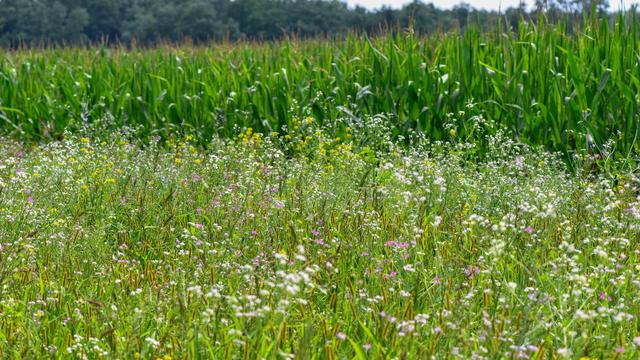
Thuringia project boosts wild bee and butterfly populations
Translated from German, summarized and contextualized by DistantNews.
At a glance
News
Official statement
Ongoing story
- A project in Thuringia, Germany, has shown success in increasing wild bee and butterfly populations after four years.
- The initiative aims to create more habitats for insects, which are crucial for pollination and supporting other wildlife.
- The project has already revitalized over half of its 625-hectare target area, with plans to address light pollution.
Thuringia's Environment Minister Tilo Kummer (BSW) has reported positive results from the "Insekta" project, designed to boost insect populations. Scientific monitoring over the past four years indicates a significant increase in wild bees and butterflies within the project's designated areas.
"By protecting insects, we strengthen pollination in agriculture and improve the living conditions of threatened field and meadow birds like the yellowhammer and skylark," Minister Kummer stated. The project was initiated in response to a drastic decline in insect species and biomass, aiming to demonstrate that simple measures can reverse this decades-long trend.
With the protection of insects, we strengthen the pollination performance in agriculture and improve the living conditions of threatened field and meadow birds like the yellowhammer and skylark.
The "Insekta" project involves creating and enhancing habitats such as flowering strips, species-rich borders, and other structured environments. Municipal green spaces have also been ecologically upgraded. The goal is to cover a total of 625 hectares with these measures by 2028, and more than half of this target has already been achieved.
In addition to habitat creation, the ministry is advising municipalities and other stakeholders on reducing light pollution. This includes promoting the use of insect-friendly lighting and shielded illumination. The initial monitoring results provide strong confirmation that the project's approach is effective in revitalizing insect life.
The first monitoring results on the project areas confirm this approach.
DistantNews Editorial
Originally published by Die Zeit in German. Translated, summarized, and contextualized by our editorial team with added local perspective. Read our editorial standards.
More Stories


From Our Blog

What Gets Lost (and Found) When News Is Translated

How the Same Story Looks Different in Different Countries

The Critical Role of Diaspora Media in Global News

What Travellers Should Know About Countries with Restricted Press

A Digital Nomad's Guide to Following Local News
