

Timber Industry Needs to Shift to Circular Economy
Translated from Malay, summarized and contextualized by DistantNews.
At a glance
News
Sources not specified
Context piece
- The Malaysian timber industry, a significant contributor to the national economy, is urged to transition towards a circular economy model.
- This shift involves maximizing wood use through durable product design, reuse, repair, recycling, and energy recovery, moving beyond the traditional 'take, use, dispose' approach.
- Malaysia's vast forest cover and sustainable forest management practices, supported by certifications like MTCS, provide a strong foundation for this sustainable timber industry.
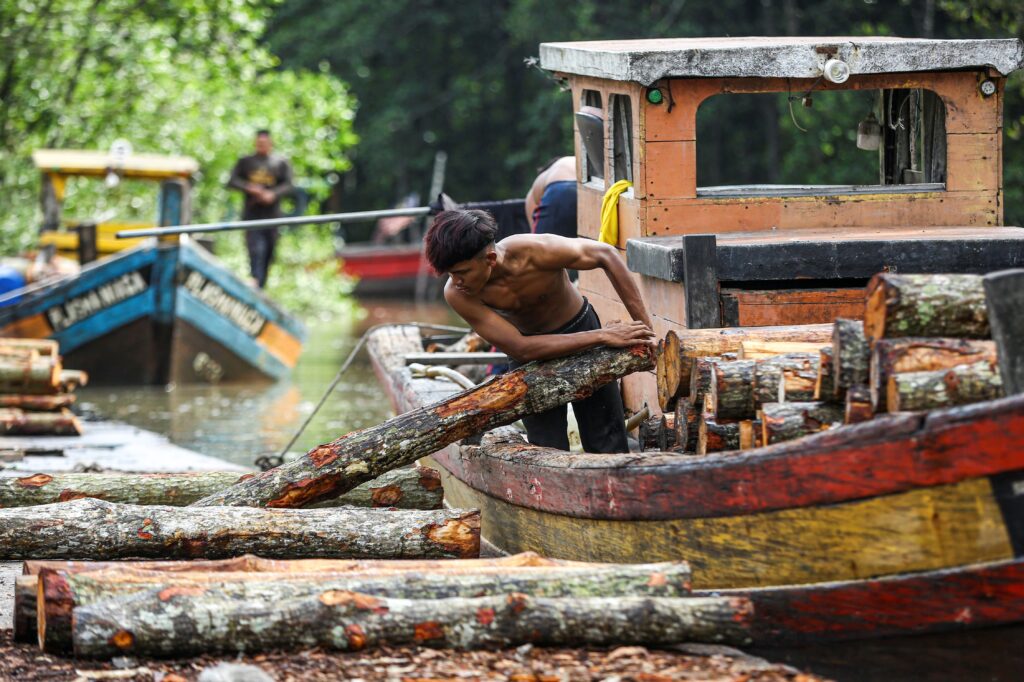
Malaysia's timber industry, a vital economic contributor that generated RM22.92 billion in exports in 2024, is being called upon to embrace a circular economy model. This transition is crucial for the industry's future, moving away from a linear 'take, use, and dispose' approach towards maximizing wood's value throughout its lifecycle.
The circular economy principles emphasize designing durable products, promoting reuse, facilitating repairs, enabling recycling, and recovering energy from wood waste. This holistic approach ensures that the value of wood is retained for as long as possible, aligning with global sustainability standards and green market demands. The industry's success will increasingly be measured not just by quantity but also by resource efficiency, waste reduction, and adherence to environmental certifications.
Malaysia possesses a significant advantage in pursuing sustainable timber practices due to its extensive forest cover, with approximately 54% of its land area still forested, including well-managed Permanent Forest Reserves. This natural endowment serves as a critical foundation for a sustainable timber sector. Certifications like the Malaysian Timber Certification Scheme (MTCS) play a pivotal role in ensuring that Malaysian timber is accepted in international markets by verifying sustainable forest management and transparent supply chains.
The downstream furniture sector, a major component of the timber industry, also shows robust performance, with exports nearing RM10 billion in 2024. The successful use of rubberwood as a primary furniture material exemplifies Malaysia's long-standing adoption of circular economy principles. The industry's ongoing efforts to manage waste and promote sustainable practices are key to its continued economic contribution and environmental responsibility.
DistantNews Editorial
Originally published by Utusan Malaysia in Malay. Translated, summarized, and contextualized by our editorial team with added local perspective. Read our editorial standards.
More Stories

From Our Blog

What Gets Lost (and Found) When News Is Translated

The Critical Role of Diaspora Media in Global News

What Travellers Should Know About Countries with Restricted Press

A Digital Nomad's Guide to Following Local News

How the Same Story Looks Different in Different Countries
