

Titian, Renaissance Superstar: Painter to Emperors, Idol of Women, Richest Artist of His Era
Translated from Hungarian and summarized by DistantNews. Read the original for the full story.
At a glance
In-depth
Sources not specified
Context piece
- Titian, a pivotal Renaissance painter, was highly sought after by European royalty and the wealthy for his art.
- His long career spanned from Venice to the Habsburg court, marked by his continuous re-evaluation of his own style.
- This year marks the 450th anniversary of his death, with notable works including portraits of emperors and his depictions of Venus.
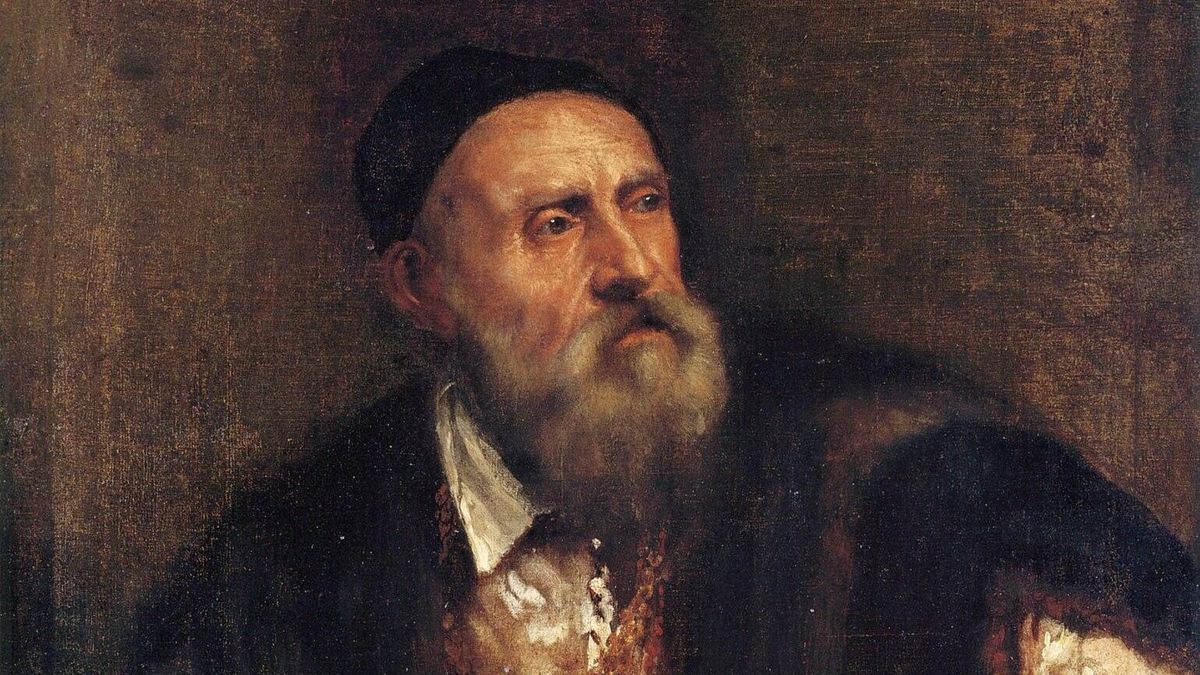
Titian, a towering figure of the Renaissance, commanded immense prestige and wealth during his lifetime, painting for emperors, popes, kings, and the most affluent patrons across Europe.
His artistic journey, which began in Venice and extended to the Habsburg court, was characterized by a remarkable ability to reinvent his own style. This year, as the art world marks 450 years since his death, his enduring legacy is being celebrated.
Renowned for his portraits of powerful rulers like Holy Roman Emperor Charles V and King Philip II of Spain, Titian's influence reached far beyond Venice. His ability to capture the essence of his subjects made his work highly coveted by the continent's elite.
Beyond his royal commissions, Titian's depictions of female figures, particularly his interpretations of Venus, are equally famous. Works like the "Venus of Urbino" showcase a more direct engagement with the representation of the female body, beauty, and desire, a theme he revisited throughout his career.
Titian's impact on European painting is undeniable. Alongside contemporaries like Tintoretto and Veronese, he defined Venetian art. His innovative use of color and light, and his dynamic compositions, influenced generations of artists, including El Greco, Rubens, Rembrandt, and Manet, solidifying his status as one of history's most significant painters.
About this summary
Originally published by Magyar Nemzet in Hungarian. Translated, summarized, and contextualized automatically by DistantNews, with a note on how the source frames the story. Not individually reviewed before publishing. How this works.
More Stories



From Our Blog

Countries Without a Free Press: What You Need to Know

What Press Freedom Means for the News You Read

What Gets Lost (and Found) When News Is Translated

The Critical Role of Diaspora Media in Global News

What Travellers Should Know About Countries with Restricted Press
