

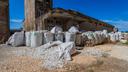

Tomašević accuses Zagreb HDZ of diverting attention from Gospić waste dispute
Translated from Croatian and summarized by DistantNews. Read the original for the full story.
At a glance
News
Named sources
Context piece
- Zagreb Mayor Tomislav Tomašević said the state is responsible for cleaning up decades-old hazardous waste at the Petruševec site.
- He accused the Zagreb HDZ of raising the issue to divert attention from a planned protest over hazardous waste in Gospić.
- Tomašević cited state responsibility for hazardous-waste management, the involvement of state-linked companies and state ownership of most of the land.
Tomislav Tomašević says he cannot be held responsible for hazardous waste deposited at Petruševec before he was born. The Zagreb mayor used a news conference to reject accusations from the city’s HDZ and place responsibility for the site’s cleanup firmly with the state.
The Petruševec waste site has returned to the center of a political dispute in Zagreb. The Zagreb HDZ issued statements for two consecutive days warning about the decades-old dump and a possible threat to a water-pumping facility. Tomašević said the party was using Petruševec to shift attention from a Saturday protest in Zagreb’s Ban Jelačić Square over hazardous waste in Gospić.
“You say the opposition, but let’s call it the Zagreb HDZ, which has issued statements on this subject for two days in a row and is trying in every possible way to spin the debate to divert attention from the protest,” he said. Tomašević added that he and his party supported the protest, along with parliamentary opposition parties and numerous civic initiatives.
You say the opposition, but let’s call it the Zagreb HDZ, which has issued statements on this subject for two days in a row and is trying in every possible way to spin the debate to divert attention from the protest.
Tomašević gave three reasons for assigning responsibility to the state. First, he said the state is responsible for managing hazardous waste. Second, he identified HEP, which is wholly state-owned, and INA, which is partly state-owned, as the two companies that deposited industrial waste at Petruševec. He said people had expected for decades that the companies involved would help finance the cleanup.
His third argument concerned ownership of the site. “The land where it was deposited is not owned by the City of Zagreb, but is mostly owned by the state,” he said. He also stressed that the waste is not being deposited there now, saying its disposal ended before he was born.
The land where it was deposited is not owned by the City of Zagreb, but is mostly owned by the state.
About this summary
Originally published by Večernji List in Croatian. Translated, summarized, and contextualized automatically by DistantNews, with a note on how the source frames the story. Not individually reviewed before publishing. How this works.
More Stories

From Our Blog

What Gets Lost (and Found) When News Is Translated

The Critical Role of Diaspora Media in Global News

What Travellers Should Know About Countries with Restricted Press

A Digital Nomad's Guide to Following Local News

How the Same Story Looks Different in Different Countries
