


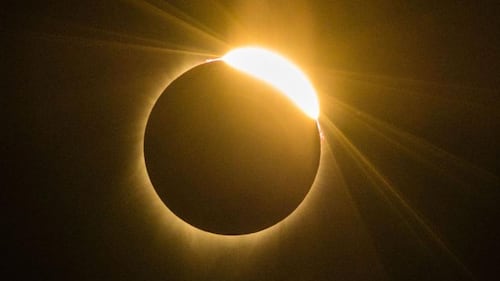
Total Solar Eclipse 2026: When and where to see the astronomical phenomenon; what is known
Translated from Spanish, summarized and contextualized by DistantNews.
At a glance
News
Sources not specified
Context piece
- The total solar eclipse of 2026 is scheduled for August 12 and will be one of the most observed astronomical phenomena of the century due to its duration and visibility.
- While the eclipse will last approximately 4 hours and 20 minutes, it will be best viewed from Siberia, Greenland, Iceland, and northern Spain.
- Mexico will not be able to see the eclipse, not even partially, as it falls outside the phenomenon's trajectory.
The total solar eclipse of 2026, set for August 12, promises to be a spectacular natural event, drawing significant global attention. This phenomenon, where the Moon completely obscures the Sun, will temporarily turn day into a twilight-like state in specific regions. NASA data indicates it will be one of the most notable eclipses of the century, largely due to its extended duration and the wide path it will trace across the Northern Hemisphere.
The eclipse is expected to last around 4 hours and 20 minutes, with its partial phases beginning at approximately 15:34 GMT. The peak of the event is anticipated around 17:45 GMT, concluding by 19:57 GMT. The primary path of totality will cross northern Siberia, Greenland, western Iceland, and extensive areas of northern Spain, offering these locations the most dramatic views.
Unfortunately for skygazers in Mexico, the astronomical event will not be visible from the country at all, not even in its partial phase. This is because Mexico lies outside the eclipse's projected trajectory. While the eclipse offers a unique experience, experts caution against direct viewing without proper protection, recommending certified solar eclipse glasses or specialized filters to prevent permanent eye damage.
DistantNews Editorial
Originally published by El Universal in Spanish. Translated, summarized, and contextualized by our editorial team with added local perspective. Read our editorial standards.
More Stories


From Our Blog

What Press Freedom Means for the News You Read

What Gets Lost (and Found) When News Is Translated

The Critical Role of Diaspora Media in Global News

What Travellers Should Know About Countries with Restricted Press

A Digital Nomad's Guide to Following Local News
