

Tour de France: German Cycling Team Undergoes Overnight Doping Tests
Translated from German, summarized and contextualized by DistantNews.
At a glance
News
Named sources
Ongoing story
- Cyclists from the Red Bull-Bora-hansgrohe team underwent surprise doping tests overnight.
- Team manager Ralph Denk expressed understanding for the controls, citing cycling's past doping issues.
- The tests occurred before a crucial individual time trial, raising concerns about rider regeneration.
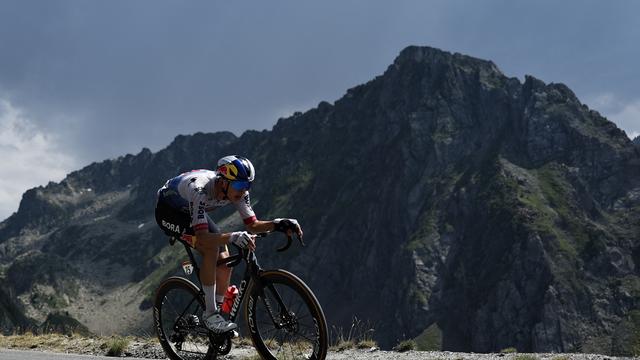
Cyclists from the German team Red Bull-Bora-hansgrohe, including Florian Lipowitz and Remco Evenepoel, were subjected to surprise doping tests during the night. Team manager Ralph Denk confirmed the checks, stating that riders who were already asleep participated in the process.
We were also visited tonight. The riders, who were partly already asleep, participated in the controls.
Denk acknowledged that such late-night controls can disrupt rider regeneration but voiced his support for the anti-doping measures. "We primarily have a black past in cycling, which is why it's good that controls are being carried out here," he said, emphasizing the importance of maintaining the sport's credibility and cleanliness.
The timing of the tests, however, is considered inconvenient for the team, as it precedes the Tour de France's only individual time trial on Tuesday. Evenepoel, an Olympic champion, is considered a strong favorite for the stage win.
It does hinder regeneration, of course.
This is not the first instance of late-night doping controls during the Tour. Earlier, defending champion Tadej Pogačar and pre-race favorite Jonas Vingegaard, who later withdrew due to a broken collarbone, were also woken for tests. Several riders have openly criticized the practice, with Pogačar calling the controls "inhuman" and suggesting that sleep deprivation might have contributed to Vingegaard's crash.
We primarily have a black past in cycling, which is why it's good that controls are being carried out here.
The International Testing Agency (ITA) defended its procedures, stating that nocturnal controls are essential for an effective anti-doping program and are necessary to protect the integrity of cycling. The agency reiterated that such measures are part of ensuring the sport remains credible.
That controls are carried out deep in the night is permitted by the regulations. It ensures that our sport is clean, that it is credible, and therefore it belongs.
DistantNews Editorial
Originally published by Die Zeit in German. Translated, summarized, and contextualized by our editorial team with added local perspective. Read our editorial standards.
More Stories

From Our Blog

What Gets Lost (and Found) When News Is Translated

How the Same Story Looks Different in Different Countries

The Critical Role of Diaspora Media in Global News

What Travellers Should Know About Countries with Restricted Press

A Digital Nomad's Guide to Following Local News
