


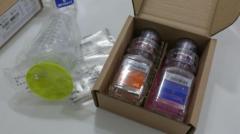
Tour de France: Nighttime doping tests draw scrutiny to cycling's anti-drug measures
Translated from English, summarized and contextualized by DistantNews.
At a glance
News
Sources not specified
Ongoing story
- Anti-doping tests at the Tour de France are under scrutiny due to nighttime testing of prominent cyclists.
- The BBC News report highlights the controversy surrounding these late-night tests.
- The focus is on the methods and timing of drug testing in professional cycling.
Nighttime anti-doping tests targeting top cyclists at the Tour de France have ignited controversy and brought scrutiny to the sport's drug-testing procedures. The BBC News report delves into the specifics of these tests, which have been conducted on some of cycling's biggest names during the prestigious race.
The timing and nature of these tests have raised questions within the cycling community and among fans. While anti-doping agencies aim to catch athletes off guard to prevent evasion, the practice of conducting tests at unusual hours, particularly during a major event like the Tour de France, has become a focal point.
The report emphasizes that the spotlight is now firmly on how these tests are carried out, the rationale behind the nighttime schedule, and the potential impact on the athletes involved. The controversy underscores the ongoing challenges and debates surrounding fair play and integrity in professional cycling.
DistantNews Editorial
Originally published by BBC News in English. Translated, summarized, and contextualized by our editorial team with added local perspective. Read our editorial standards.
More Stories


From Our Blog

What Gets Lost (and Found) When News Is Translated

The Critical Role of Diaspora Media in Global News

What Travellers Should Know About Countries with Restricted Press

A Digital Nomad's Guide to Following Local News

How the Same Story Looks Different in Different Countries
