

Tour's opening day breathes new life into fading team race
Translated from Danish, summarized and contextualized by DistantNews.
At a glance
News
Sources not specified
Context piece
- The team time trial, a traditional cycling discipline, returns to the Tour de France after a seven-year absence.
- Once a staple, the event was removed due to concerns about favoring wealthy teams and perceived lack of spectator appeal.
- The format has been modified, with individual times now recorded for each rider, aiming to increase spectator engagement.
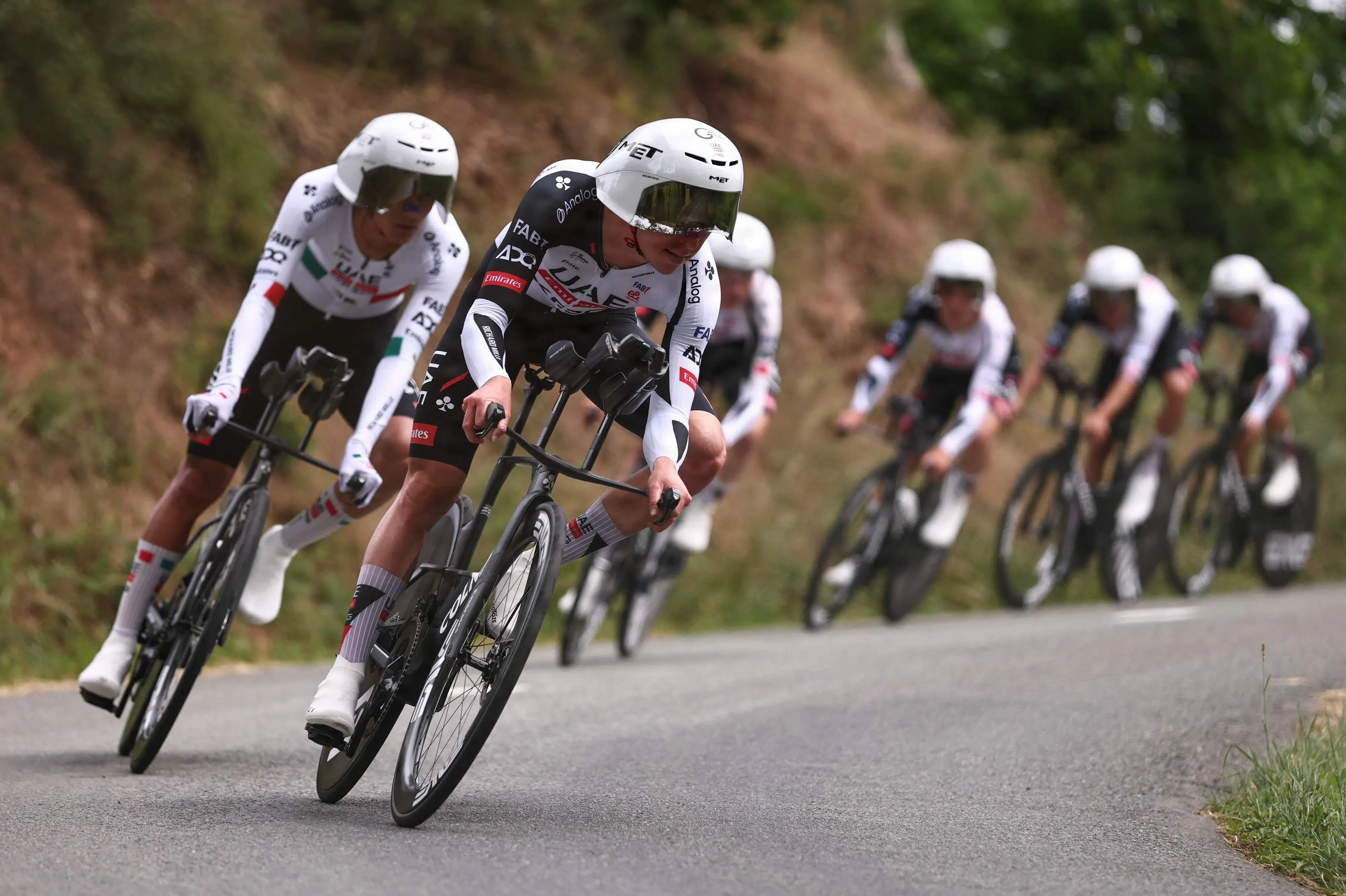
After a seven-year hiatus, the team time trial, a discipline steeped in cycling tradition, is making a comeback at the Tour de France, injecting new life into a format that had been fading from the sport's major events.
Brian Holm, a former rider and sports director, expressed his fondness for the discipline, calling it "exciting" and "nerve-wracking" for sports directors. "Everything can go wrong," he noted, citing potential errors in riding, technical issues, or communication breakdowns. The intensity of the event means "everyone on the team is on edge."
I have missed it. I love team races.
Historically, the technically demanding team time trial was a regular feature in major stage races, appearing in every Tour de France between 1962 and 1995, and remaining a common sight into the 2010s. However, since 2019, it has been largely absent from major tours, including the Giro d'Italia since 2015.
It is in those races where you as a sports director are most nervous. Everything can go wrong. A riding error, a technical error, a defect, a wrong command, a lead that is too long or too short. Someone who rides too fast out of a corner.
Experts point to several reasons for its decline in popularity among race organizers. Critics argued it favored well-funded teams with superior equipment, potentially creating insurmountable time gaps that could derail the race for smaller teams. Additionally, a perception grew that the discipline lacked the broad spectator appeal that organizers seek, with the sight of eight riders in aerodynamic poses not always guaranteeing the desired drama.
Christian Andersen, a sports director for the Tour de France team Uno-X, acknowledged this sentiment. "In my eyes, it's magnificent to watch. But I can understand that for the audience, it's not the most captivating thing," he said. The format has been adjusted for this return; instead of the traditional method where the clock stopped for the fourth rider, each rider will now receive an individual time based on their finish.
Everyone on the team is on pins and needles.
This revised format, tested in the Paris-Nice stage race since 2023, aims to enhance spectator interest by allowing riders to cross the finish line continuously. "Somewhere, I think it makes sense to have team time trials occasionally, but whether it should be like this in the future, I'm more doubtful. I love the traditional version," Andersen commented, adding that the current format "tries to add a bit more color, and you get that here. For the audience, it's more interesting that riders keep coming in all the time."
In my eyes, it's magnificent to watch. But I can understand that for the audience, it's not the most captivating thing.
DistantNews Editorial
Originally published by Berlingske in Danish. Translated, summarized, and contextualized by our editorial team with added local perspective. Read our editorial standards.
More Stories
From Our Blog

What Gets Lost (and Found) When News Is Translated

The Critical Role of Diaspora Media in Global News

What Travellers Should Know About Countries with Restricted Press

A Digital Nomad's Guide to Following Local News

How the Same Story Looks Different in Different Countries
