


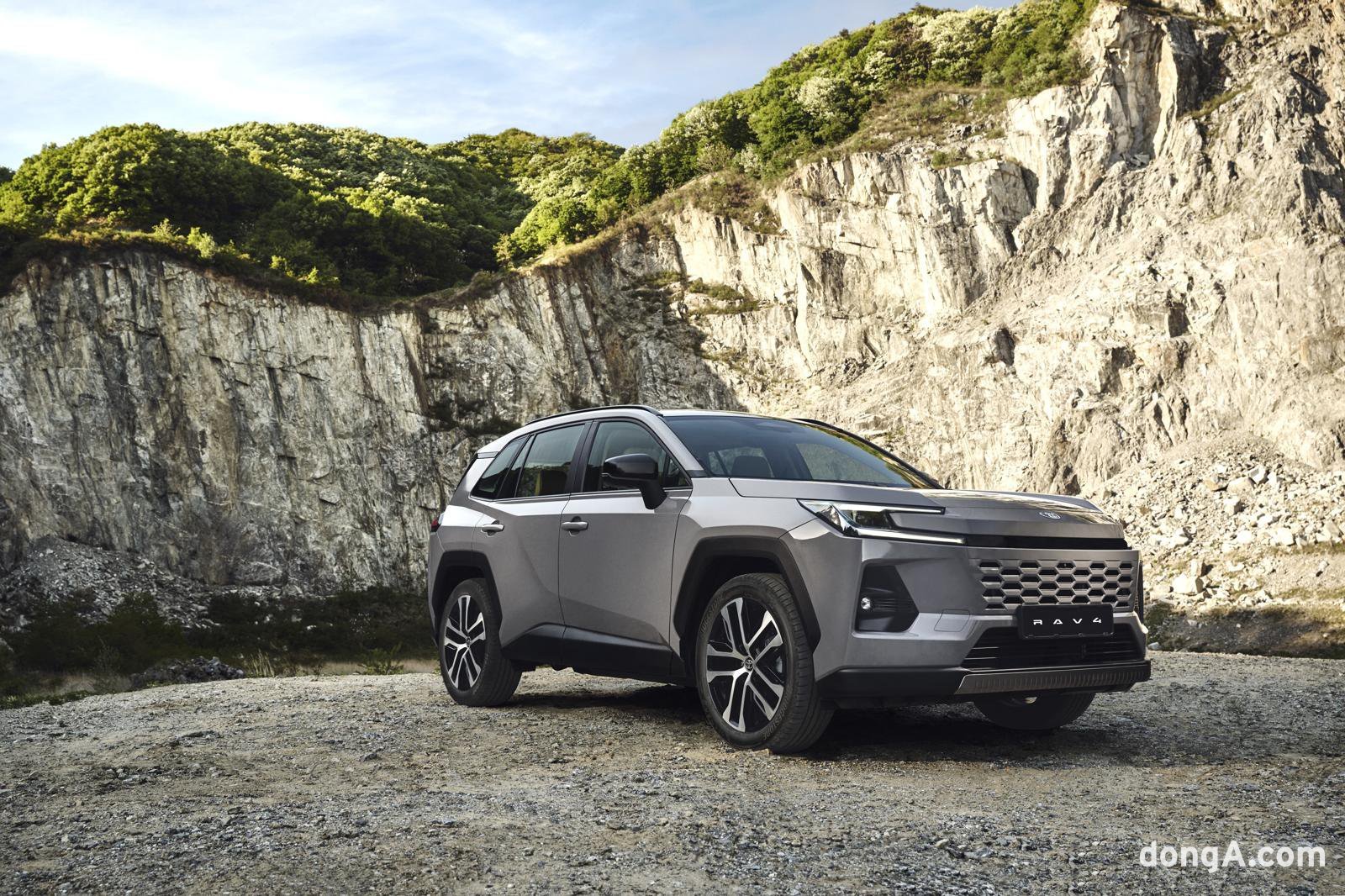
Toyota’s Hybrid Value Rises as Sixth-Generation RAV4 Targets South Korea
Translated from Korean and summarized by DistantNews. Read the original for the full story.
At a glance
In-depth
Named sources
Context piece
- Toyota’s hybrid-focused strategy is gaining attention as electric-vehicle sales grow more slowly than expected and consumers face charging and cost concerns.
- Hybrids made up 52.2% of imported-car registrations in South Korea in 2025, compared with 26.7% in 2021.
- The sixth-generation RAV4 is being positioned to compete in a market where hybrids have become a mainstream choice.
Toyota’s hybrid strategy is gaining renewed attention in South Korea as electric vehicles expand more slowly than expected. Limited charging infrastructure, rising raw-material costs and the burden of vehicle prices are influencing consumer choices.
Hybrids offer drivers strong fuel efficiency without the need to manage regular charging. Once viewed mainly as a transitional technology between electric and internal-combustion vehicles, they are now forming a market of their own, according to the article’s framing.
The shift is visible in imported-car registration figures. In 2021, hybrids accounted for 73,380 of 276,146 newly registered imported vehicles, or 26.7%. By 2025, the number had risen to 160,575 out of 307,377 registrations, lifting the share to 52.2%.
That change gives Toyota a stronger opening for its sixth-generation RAV4 as it seeks to appeal to South Korean buyers. The model arrives as hybrids move from an interim option to a dominant part of the imported-car market.
About this summary
Originally published by Dong-A Ilbo in Korean. Translated, summarized, and contextualized automatically by DistantNews, with a note on how the source frames the story. Not individually reviewed before publishing. How this works.
More Stories


From Our Blog

What Gets Lost (and Found) When News Is Translated

The Critical Role of Diaspora Media in Global News

What Travellers Should Know About Countries with Restricted Press

A Digital Nomad's Guide to Following Local News

How the Same Story Looks Different in Different Countries
