


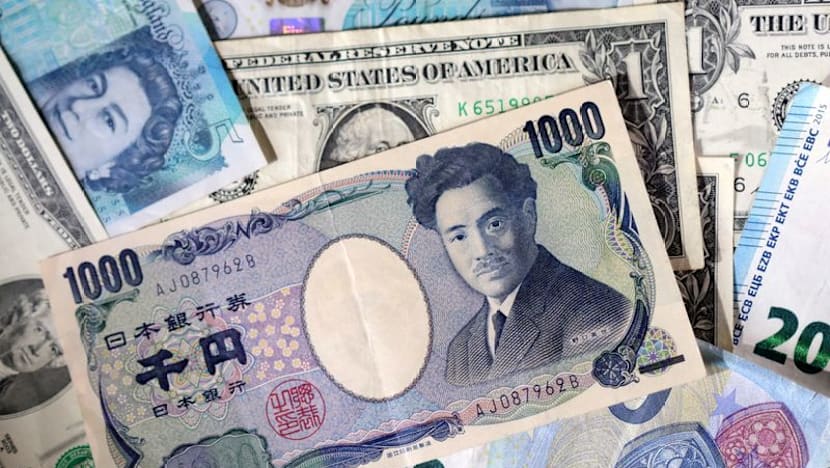
Trading Day: Global bond rout accelerates as oil prices surge
Translated from English and summarized by DistantNews. Read the original for the full story.
At a glance
Analysis
From a news agency
Ongoing story
- Global bond markets extended their selloff, with Japanese yields reaching levels not seen in more than 30 years and yields rising across Europe and the United States.
- Oil prices jumped 5% amid the ongoing U.S.-Israeli war on Iran, adding to concerns about supply-driven inflation and weighing on stocks.
- Investors increasingly questioned whether major economies can outgrow their debt burdens as borrowing costs and debt-service expenses rise.
The global bond rout accelerated on Tuesday, sending Japanese yields through key levels untouched for more than three decades as investors bet that central banks will need to raise interest rates to contain persistent inflation and loose fiscal policy.
Oil prices added to the pressure. Crude rose 5% amid the ongoing U.S.-Israeli war on Iran, weighing on bonds and equities. Major U.S. stock indexes fell, with the S&P 500 down 0.7%, the Dow Jones down 0.8% and the Nasdaq down 1%.
Bond yields climbed across major markets. Japan’s government bond yields reached 30-year and record highs along the curve. Britain’s 10-year gilt yield reached its highest level since 2008, while the 30-year yield hit its highest since 1998. French and German yields also reached multi-year highs. The U.S. 10-year yield rose to 4.80%, its highest since January 2025.
The dollar broadly strengthened, while the yen fell through 160 per dollar. Gold dropped 3%. In Hong Kong, Shein ended flat in its market debut, while energy shares gained 1.5% in the S&P 500 and consumer discretionary stocks fell 2%. Dell shares dropped 7% during trading before rising 8% after the close on record results.
The selloff reflects more than oil prices and the risk of a supply shock. In the United States, investment, borrowing and growth linked to artificial intelligence may also be contributing. The deeper concern is that the fiscal outlook for the Group of Seven and other countries is becoming untenable. Interest rates exceed growth rates, while debt servicing consumes a growing share of government budgets. Federal Reserve Governor Michael Barr said rates may need to rise and that the Fed would have to act "decisively" if inflation failed to moderate.
decisively
About this summary
Originally published by CNA in English. Translated, summarized, and contextualized automatically by DistantNews, with a note on how the source frames the story. Not individually reviewed before publishing. How this works.
More Stories


From Our Blog

What Gets Lost (and Found) When News Is Translated

The Critical Role of Diaspora Media in Global News

What Travellers Should Know About Countries with Restricted Press

A Digital Nomad's Guide to Following Local News

How the Same Story Looks Different in Different Countries
