


Train Travel: 'Worn out', Waiting, hoping, improvising at the station
Translated from German, summarized and contextualized by DistantNews.
At a glance
News
From a news agency
Ongoing story
- A technical disruption caused widespread train cancellations across Germany late on June 24, 2026.
- Passengers faced long waits and uncertainty at major stations like Stuttgart Hauptbahnhof, with limited information and disrupted travel plans.
- Deutsche Bahn staff worked to manage the situation, organizing replacement transport and providing basic amenities, but many travelers were left stranded overnight.
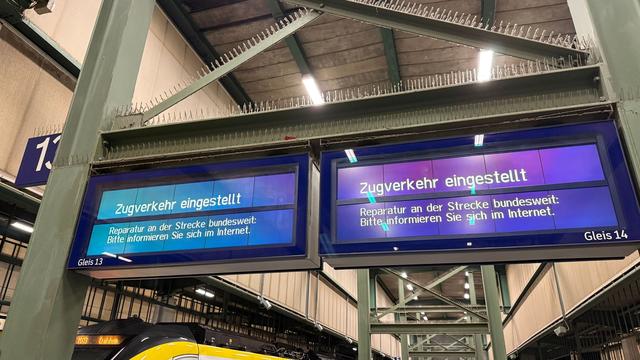
Train services across Germany ground to a halt late on June 24, 2026, due to a widespread technical disruption that left thousands of passengers stranded and scrambling for information.
You're already done for
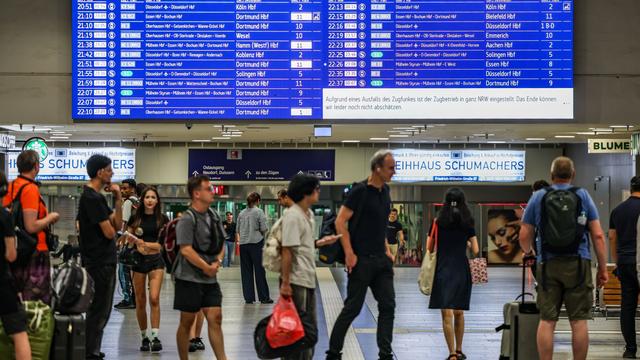
At Stuttgart Hauptbahnhof, a crowd quickly gathered at the Deutsche Bahn information center as the extent of the cancellations became apparent. Staff and security personnel attempted to organize the stranded travelers, sorting them by destination and arranging for replacement taxis. Plans were upended for virtually everyone, with many facing overnight stays or significant delays.
We are organizing shared taxis
Simone Nusser, returning from a London trip, expressed her exhaustion, stating, "You're already done for." Her journey home from Stuttgart Airport was complicated by a non-operational S-Bahn, a long walk around construction, and a lack of clear guidance at the main station regarding further train services or taxi reimbursement.
This train is available for you until further notice.
Information boards primarily displayed canceled trains, with one ICE train even being repurposed as a temporary waiting area, complete with cushions and blankets provided by railway staff. The situation began to ease shortly after midnight when the problem was reportedly identified and resolved, allowing the first trains, including the repurposed ICE, to depart. However, for many, like Dominick and Selina, who were traveling to Berlin, the wait continued, with their train now expected hours later than scheduled, highlighting the ongoing uncertainty and the struggle to get reliable, up-to-date information.
Currently probably only at 3:00 a.m.
DistantNews Editorial
Originally published by Die Zeit in German. Translated, summarized, and contextualized by our editorial team with added local perspective. Read our editorial standards.
More Stories


From Our Blog

What Gets Lost (and Found) When News Is Translated

How the Same Story Looks Different in Different Countries

The Critical Role of Diaspora Media in Global News

What Travellers Should Know About Countries with Restricted Press

A Digital Nomad's Guide to Following Local News
